Korva is a scroll of the internet’s best ideas.
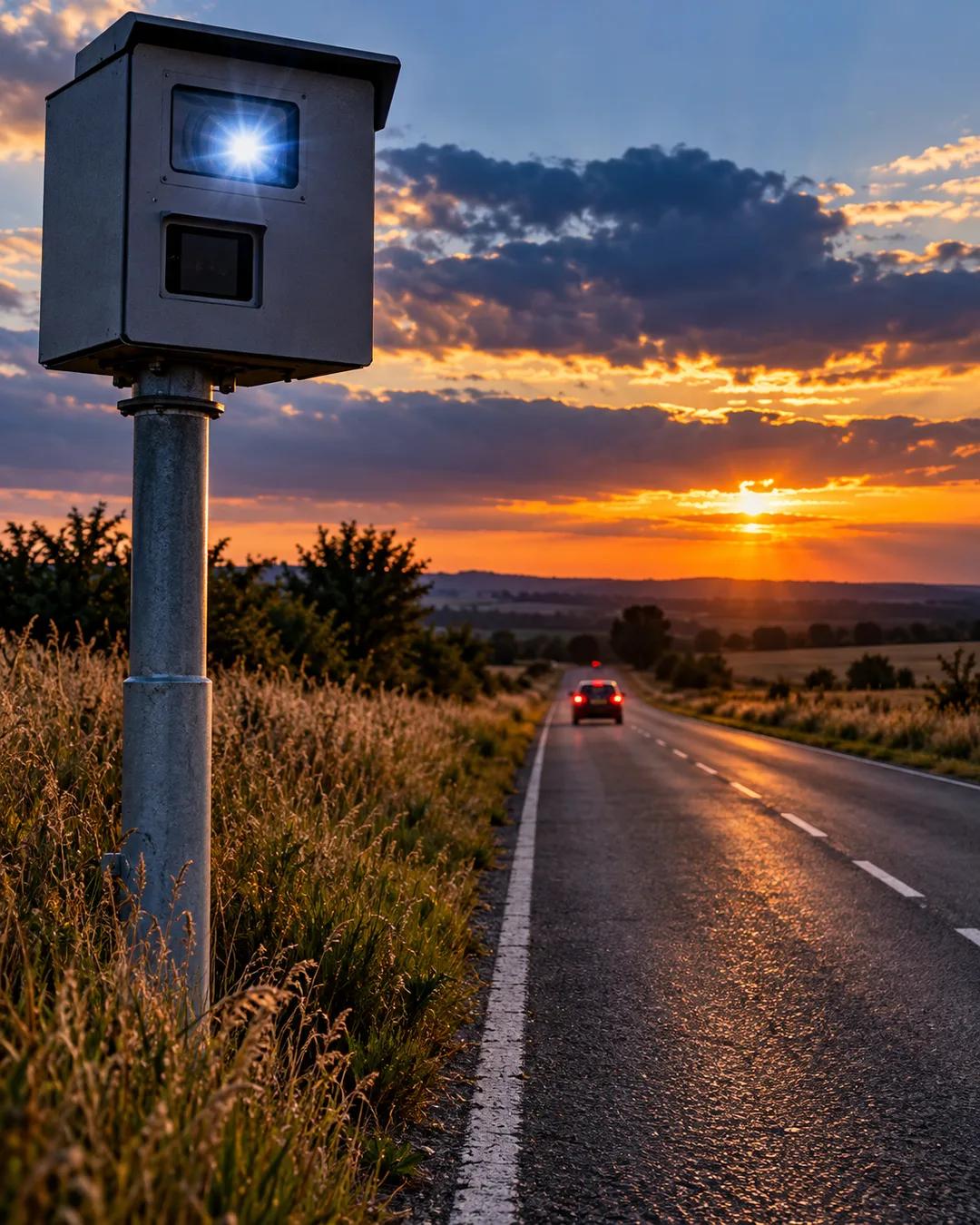
Punishment stops working when watching stops
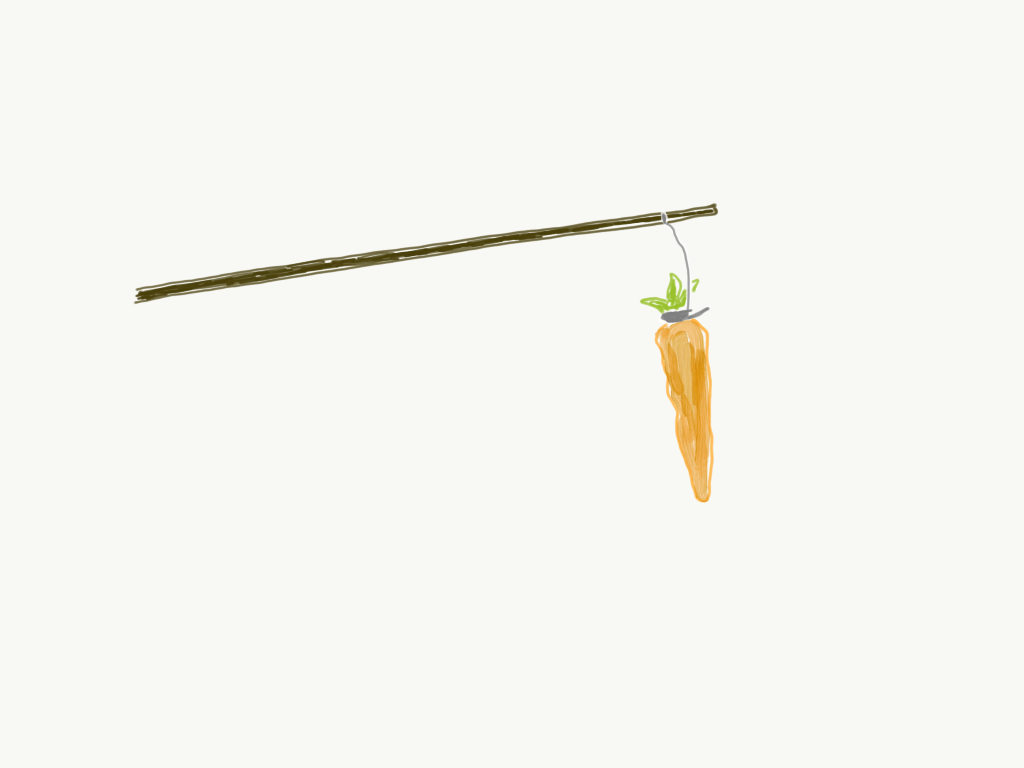
When the threat is close
People refrain from using social networks at work when they know the boss is around, and they stick to the speed limit when a police patrol is watching. Both behaviors depend on the threat being close.
Fight or flight
Punishment also often triggers a fight-or-flight response. People seek to flee from further punishment, and when escape is blocked, they may become aggressive.
What it blocks
It inhibits learning new and better responses too. Punishment leads to escape, aggression, and learned helplessness, and none of those aid learning. It fails to show what someone must do and focuses on what not to do.
Why does punishment provoke aggression?
In experiments in the early 1960s, Nathan Azrin and his colleagues found that pairs of rats given electric foot shocks attacked each other. They called it pain-induced aggression. Later work found the same response in monkeys, cats, and other species. The attack happened even though the other animal had not caused the shock.
How did dogs learn helplessness?
In 1967, Martin Seligman and Steven Maier gave dogs shocks they could not escape. When the dogs were later placed where a hop over a low barrier would end the shock, many simply lay down and endured it. Dogs that had never been shocked jumped the barrier, and so did dogs that had earlier been able to stop the shocks.
Why do drivers speed up after cameras?
Traffic researchers call it the kangaroo effect: drivers brake hard near a known fixed speed camera, then accelerate beyond it. Studies of fixed cameras in several countries have found that speeds drop near the device and recover within a short distance. Average-speed systems that measure over a long stretch of road were developed in part to address this.
More from Shane