Korva is a scroll of the internet’s best ideas.

What polyphenols are
Polyphenols are defense chemicals in plants. They give plants the bitter taste and the bright colors seen in berries, in colored lettuce, and in cabbages. The more of them, the healthier the gut and the more inflammation is dampened.
Purple versus iceberg
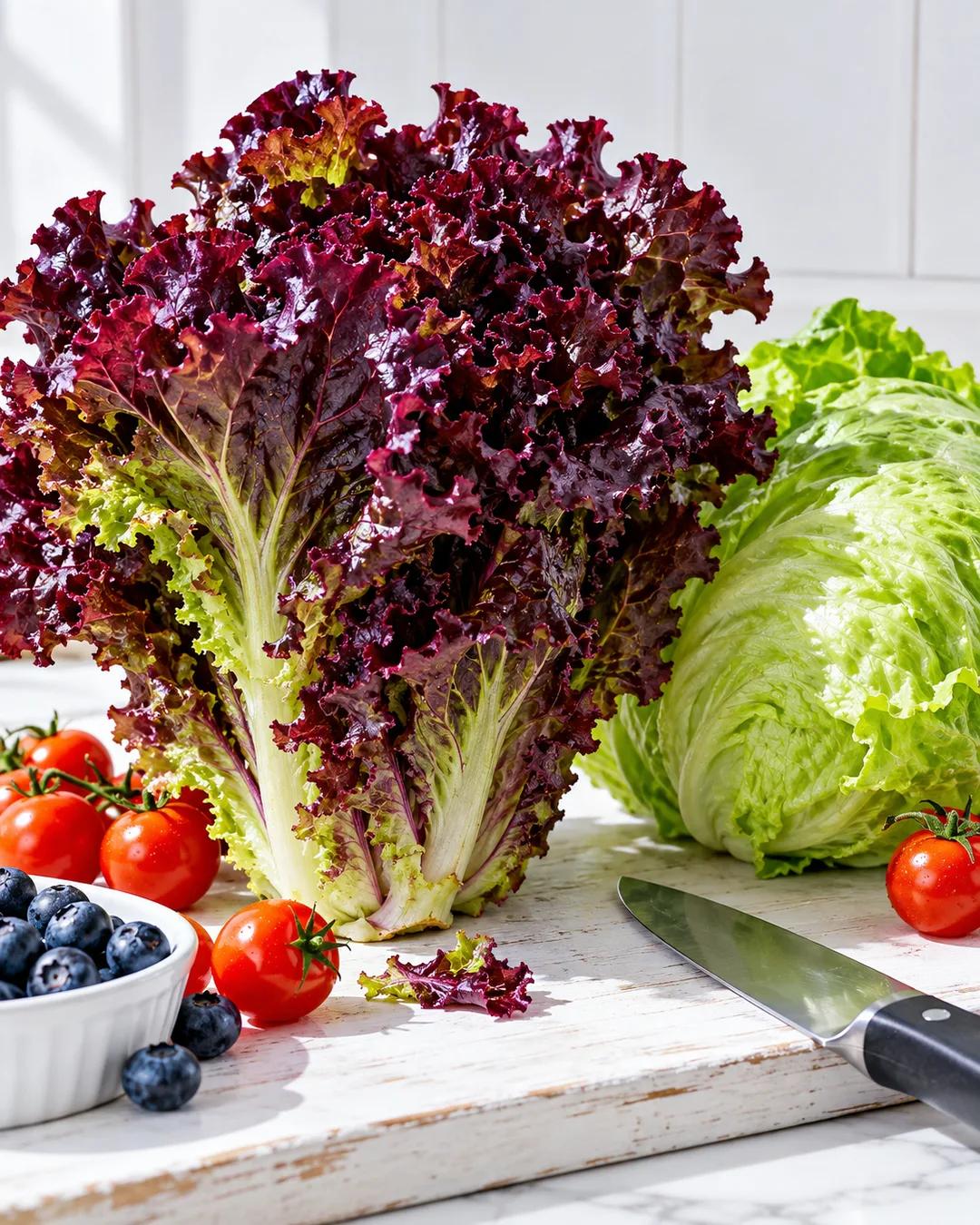
A loose-leaf red lettuce with purple leaves has a thousand times more polyphenols than the iceberg lettuce that 90 percent of people buy, which lasts two weeks. Loose leaves had to survive harder conditions, fighting off predators and wind, so they are tougher. Herbs and spices are tough for the same reason, since they are the growing tips of the plant, where the good bits are.
Other sources
Dark chocolate counts as high in polyphenols, and so does coffee. Shopping by color is a way to find them.
Why do plants make polyphenols?
Plants cannot run from threats, so they make chemicals to deter animals, resist pathogens, and absorb ultraviolet light. Tannins taste astringent and bitter, which discourages grazing. Anthocyanins give the red, purple, and blue colors of berries and red cabbage. Over 8,000 phenolic compounds have been identified in plants.
What happens to polyphenols in the gut?
Only a small fraction of polyphenols is absorbed in the small intestine, and most reach the colon, where bacteria break them into smaller molecules. Ellagitannins from pomegranates and walnuts, for example, are converted into compounds called urolithins. Francisco Tomas-Barberan's group in Spain found that people fall into groups by how much urolithin they produce from the same food.
Why was iceberg lettuce bred so pale and mild?
Iceberg lettuce spread across the United States in the early 1900s because its tight, crisp heads survived rail shipping from California packed in ice. Bitterness in lettuce comes from compounds called sesquiterpene lactones, such as lactucin. Breeders selected for milder, crunchier heads that kept longer in transit.
More from The Diary Of A CEO with Steven Bartlett