Korva is a scroll of the internet’s best ideas.
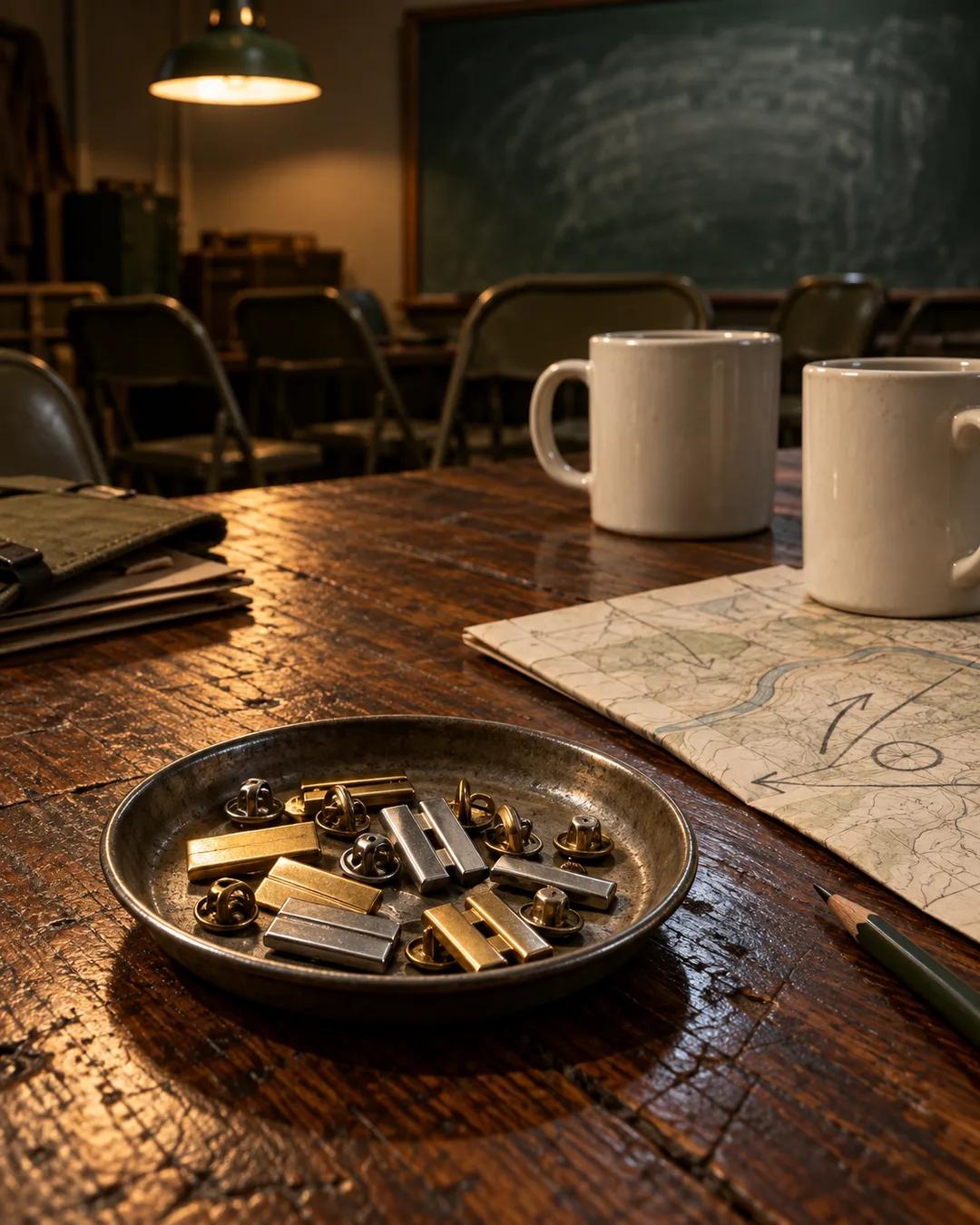
Rank comes off after every mission

Rank off the collar
Rangers are an elite infantry unit, and some of its soldiers are 18 or 19 years old. Before a mission, the young captains, majors, and first sergeants get together and plan it. Afterward, whether it went well or badly, everyone files into the briefing room and metaphorically takes off their collar devices, the insignia that mark rank.
From then on, the privates, corporals, and sergeants have as much say as the captains and majors. The arguments get heated: why did you do this, what happened here, we should have done that better. Someone points out what went well over here, and someone else points out what got screwed up over there.
Why it gets so heated
Special operations units take these failures hard. When a mission goes wrong, lives are usually lost, and the reputation of the community and the nation is at risk. Nobody gets to wallow, though, and thick skin is the price of entry for SEALs, Rangers, and Delta Force alike, since this is how they learn.
Whatever comes out of the debrief gets fixed before the next mission, because an unfixed mistake means somebody else dies. When the briefing ends, the collar devices go back on, and it is yes sir, no sir, three bags full, and Rangers lead the way.
Why does leaving rank at the door work?
Hierarchy filters information, because junior people often see the sharpest detail on the ground and say less when a senior officer is listening. Harvard researcher Amy Edmondson studied hospital units in the 1990s and found that the units with the strongest leaders reported the most medication errors. She concluded that members of those units felt safe enough to report mistakes. Edmondson later gave that condition the name psychological safety.
How did the Army invent the after action review?
The US Army developed the after action review in the 1970s, as it rebuilt its training after Vietnam. Opposing-force exercises at the National Training Center in California, which opened in 1981, made the review a routine part of every exercise. The standard format asks what was supposed to happen, what actually happened, why the two differed, and what to do next time. Hospitals and companies later copied the format.
More from Not Dead Yet