Korva is a scroll of the internet’s best ideas.
Rates should track growth

Doubling every year
At 3% growth, the rule of 70 puts the doubling time at twenty-something years. Today growth is bottlenecked by people, who can't double every year. In a fully automated economy that can also double its labor force every year, input-output tables point to an economy that could double annually, and at the very least grow tens of percent a year.
Rates track growth
The interest rate should run close to the growth rate, with some gap for consumption. In that 2030s world, every country outside AI production would default, stocks of non-AI companies would be worth close to nothing because their discounted cash flows are, mortgages would be hard to get, and debt service would exceed tax revenue unless AI could be taxed.
The cost of waiting
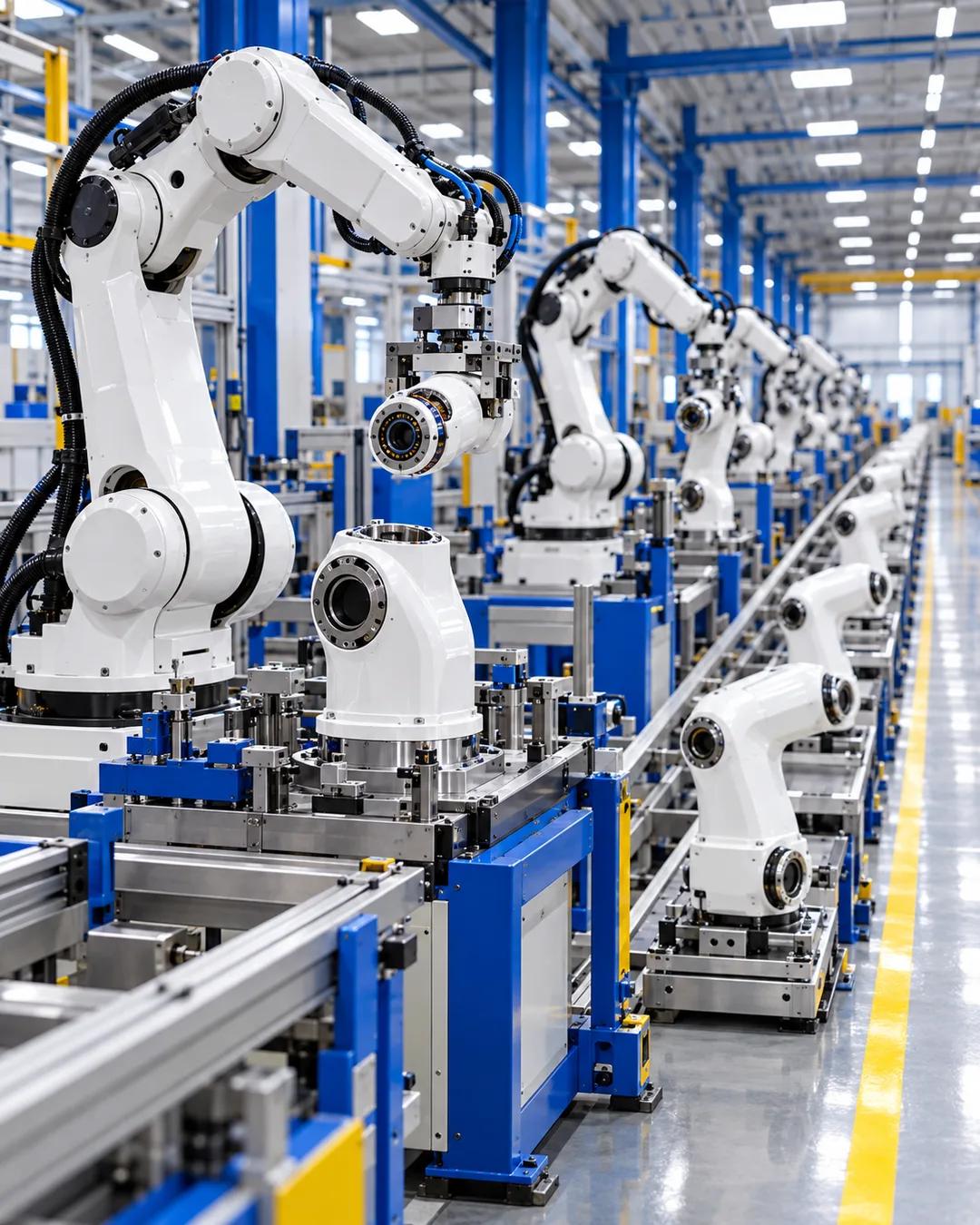
The root is opportunity cost. Borrowing to pay pensions costs a great deal when the same money could build a robot factory that builds a robot factory that builds a robot factory.
How does the rule of 70 work?
The doubling time of anything growing at a steady percentage rate is about 70 divided by that rate. The number comes from the natural logarithm of 2, which is about 0.693. At 3 percent growth, doubling takes roughly 23 years, and at 7 percent it takes about 10.
Why should interest rates follow growth?
Economist Frank Ramsey worked out in 1928 that the interest rate in a growing economy depends on how fast people discount the future and how fast consumption is expected to grow. If everyone expects to be much richer later, they want to borrow against that future, which pushes rates up. Faster growth therefore means higher rates.
How do input-output tables model an economy?
Wassily Leontief built them, and he won the Nobel Prize in economics in 1973 for the method. The tables show how much output from each industry gets used as input by every other industry. With them economists can calculate how a change in one sector spreads through the rest.
More from Dwarkesh Podcast