Korva is a scroll of the internet’s best ideas.
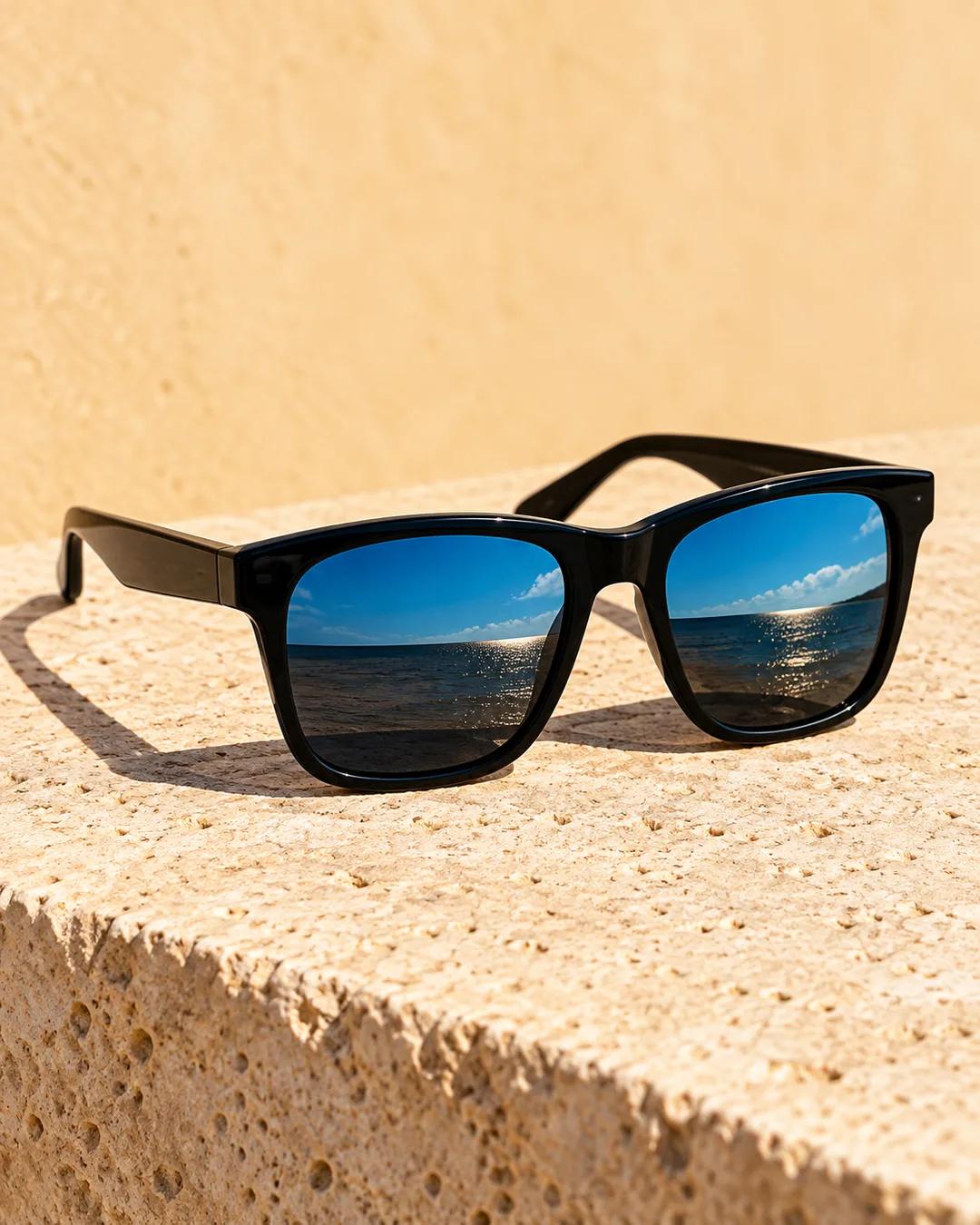
Ray-Ban Facebooks wouldn't have sold
The name problem
Before the rebrand, the company shared its name with its biggest app, and to most people Facebook meant legacy social media and nothing else. Selling ads got confusing too: an advertiser had to ask whether they were buying Facebook, or Facebook and Instagram, or Facebook, Instagram, and WhatsApp.
The company also made Oakley and Ray-Ban glasses and Quest headsets, and the glasses needed a name bigger than any single app. Ray-Ban Instagrams would have tied them to one product, which is why the first pair became Ray-Ban Stories. Once the company was Meta, the next ones could be Ray-Ban Metas, and that made a difference.
The rebrand
Alex Schultz told Mark Zuckerberg in his first days as CMO that the company had to change its brand. A few months later Zuckerberg came back and wanted to do it, and the rebrand then ran in six or seven months.
Now most advertisers say they buy from Meta and name the property they run on. The new name also let the company talk about what lay beyond social media.
Why do parent companies rename themselves?
Google reorganized in 2015 under a new parent called Alphabet, which left Google as one subsidiary among several. Snapchat's maker renamed itself Snap Inc. in September 2016, the same day it announced Spectacles, a pair of camera-equipped sunglasses. Both moves took the company name off the original product. Facebook, Inc. became Meta Platforms in October 2021.
How did the first Ray-Ban glasses work?
Ray-Ban Stories launched in September 2021, built with EssilorLuxottica, the eyewear group that owns Ray-Ban and Oakley. The frames held two cameras for photos and short videos, open-ear speakers, and microphones for calls. Wearers captured a moment with a button or a voice command. The 2023 follow-up was named Ray-Ban Meta.
More from The Twenty Minute VC (20VC): Venture Capital | Startup Funding | The Pitch