Korva is a scroll of the internet’s best ideas.

Read the case against yourself
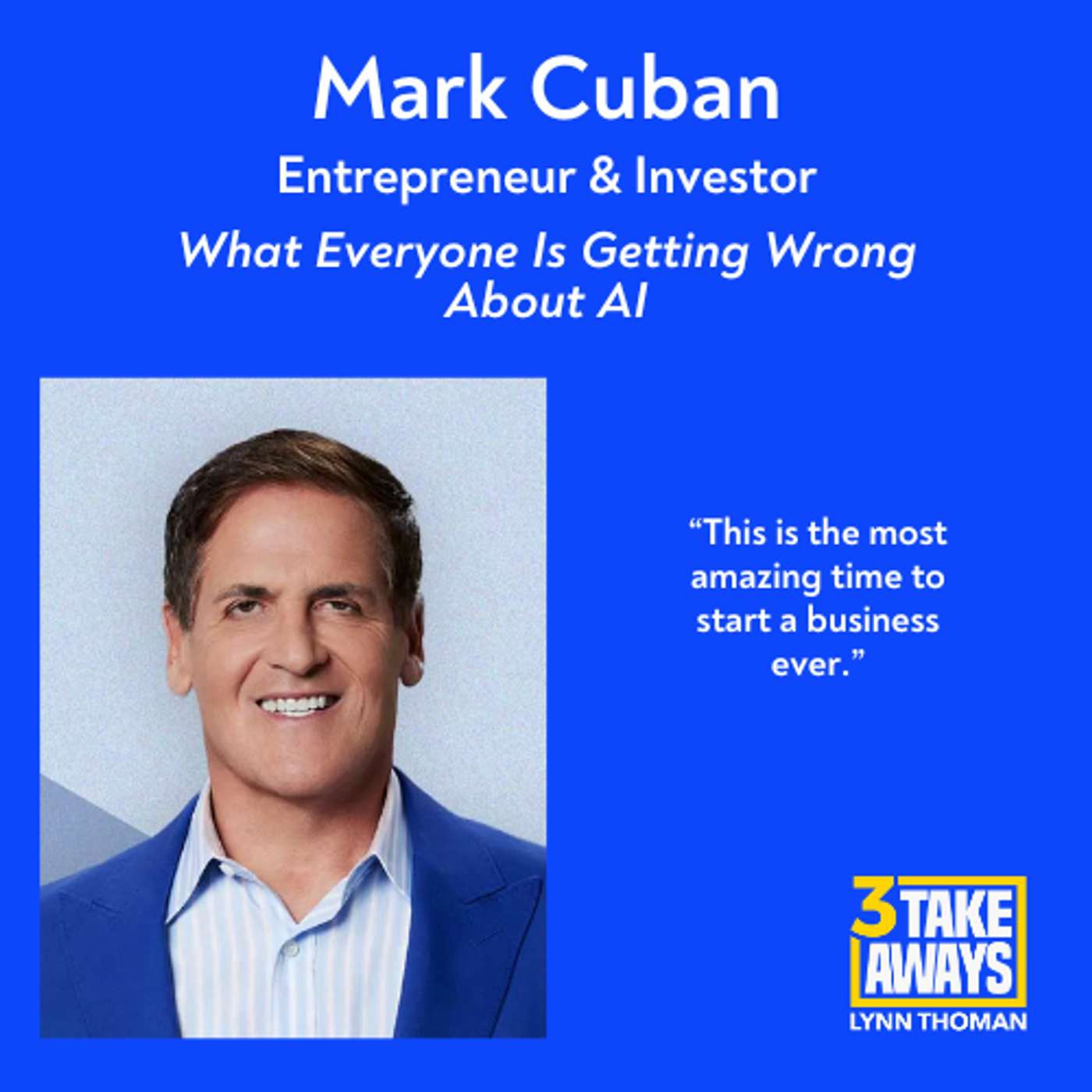
Reading Everything
Most people learn in a cursory way. They have an interest, spend a little time, read some articles and maybe a book, spend some time online, and that's it. Mark Cuban's method is RTFM, read the freaking manual: consume every single thing he can find on a subject.
Arguing Both Sides
He looks at it from every perspective. Is there a good reason to support what he's trying to do? What's the antithesis of it? Why would somebody who thinks it's crazy say so?
Answering Objections
Understanding every angle shows him how to handle people's hesitancies and objections and how to respond to them. He applies it to ideas other people call crazy, asking whether there's a business opportunity in them that he can enable, as with being the first streaming company and the first all high-definition company.
How do you argue the other side well?
Philosopher Daniel Dennett popularized rules from game theorist Anatol Rapoport in his 2013 book Intuition Pumps. The first step is to restate the other side's position so clearly that its holder says they wish they had put it that way. Next comes listing any points of agreement and anything learned, and only then a rebuttal.
Why do people avoid evidence against their idea?
In 1960, psychologist Peter Wason gave participants the numbers 2, 4, 6 and asked them to discover the hidden rule by proposing sequences. Most proposed sequences that fit their own guess, such as numbers rising by two, and rarely tried ones that might break it. The actual rule was any ascending sequence.
How did Darwin handle evidence against him?
Charles Darwin wrote in his autobiography that he made a habit of writing down at once any fact or observation that ran against his general results. He explained that such evidence slipped from memory more readily than favorable evidence. He followed this practice while developing the theory he published in On the Origin of Species in 1859.
More from 3 Takeaways