Korva is a scroll of the internet’s best ideas.
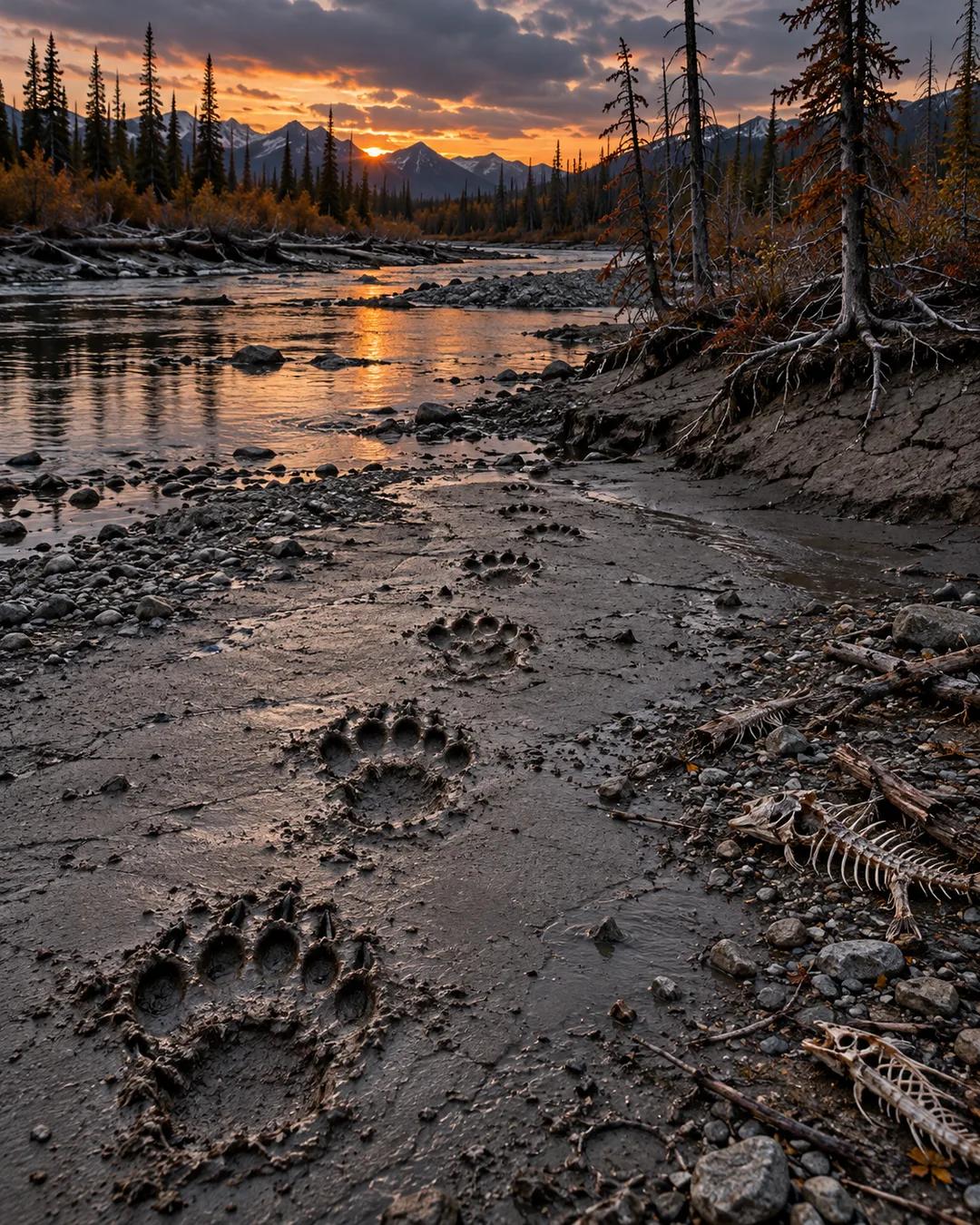
Remove grizzlies, forests degrade
A connected forest
In a healthy forest, everything is connected and communicating. The species constantly relate to each other, and out of those interactions emerge system-level properties like resilience, health, and the cycling of clean air and clean water. Scientists call this a complex adaptive system.
Wicked stable states
Take out the grizzlies and trash the salmon populations, and the system degrades into what scientists call a wicked stable state. These states are unpredictable and contradictory: fix one problem, and another shows up somewhere else. Forests dying from climate change, which feeds back into more climate change, are moving toward this quickly.
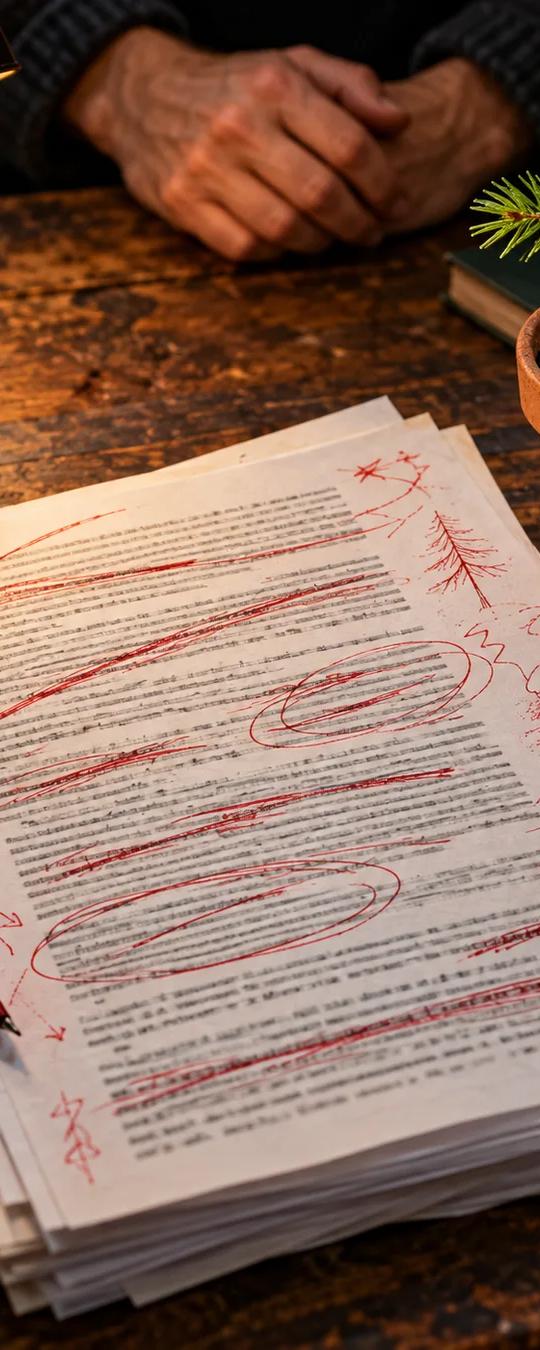
Cutting birch again
Cutting birch out of Douglas fir forests is another case of removing a key part, because it undermines the resilience of the forest. Because these are complex adaptive systems poised for change, the trajectory can also turn from negative to positive.
How do grizzlies shape forests?
Grizzlies carry salmon from rivers into the forest, where the nitrogen from the carcasses enters the soil. They also eat berries and spread the seeds in their droppings. When they dig for roots and bulbs, they turn over and loosen the soil. A 1998 study in Ecology by Tardiff and Stanford found that grizzly digging for glacier lily bulbs in Montana raised the mineral nitrogen available to plants.
How do small interactions create resilience?
In a complex adaptive system, no single part directs the whole. Each part responds to its neighbors, and patterns at the level of the whole system emerge from those local responses. An ant colony works this way: no ant holds a plan, yet the colony finds food and builds nests. The Santa Fe Institute, founded in 1984, helped develop the study of complex adaptive systems.
Why can degraded ecosystems resist recovery?
Ecologist C. S. Holling argued in a 1973 paper that ecosystems can sit in more than one stable state. Once a shift happens, feedbacks keep the new state in place. Shallow lakes show it clearly: a clear lake with plants can flip to a murky lake dominated by algae when nutrient levels rise, and the murky state holds itself in place by blocking light to the plants. Marten Scheffer and colleagues described such catastrophic shifts in a 2001 paper in Nature.
More from TEDx Talks