Korva is a scroll of the internet’s best ideas.
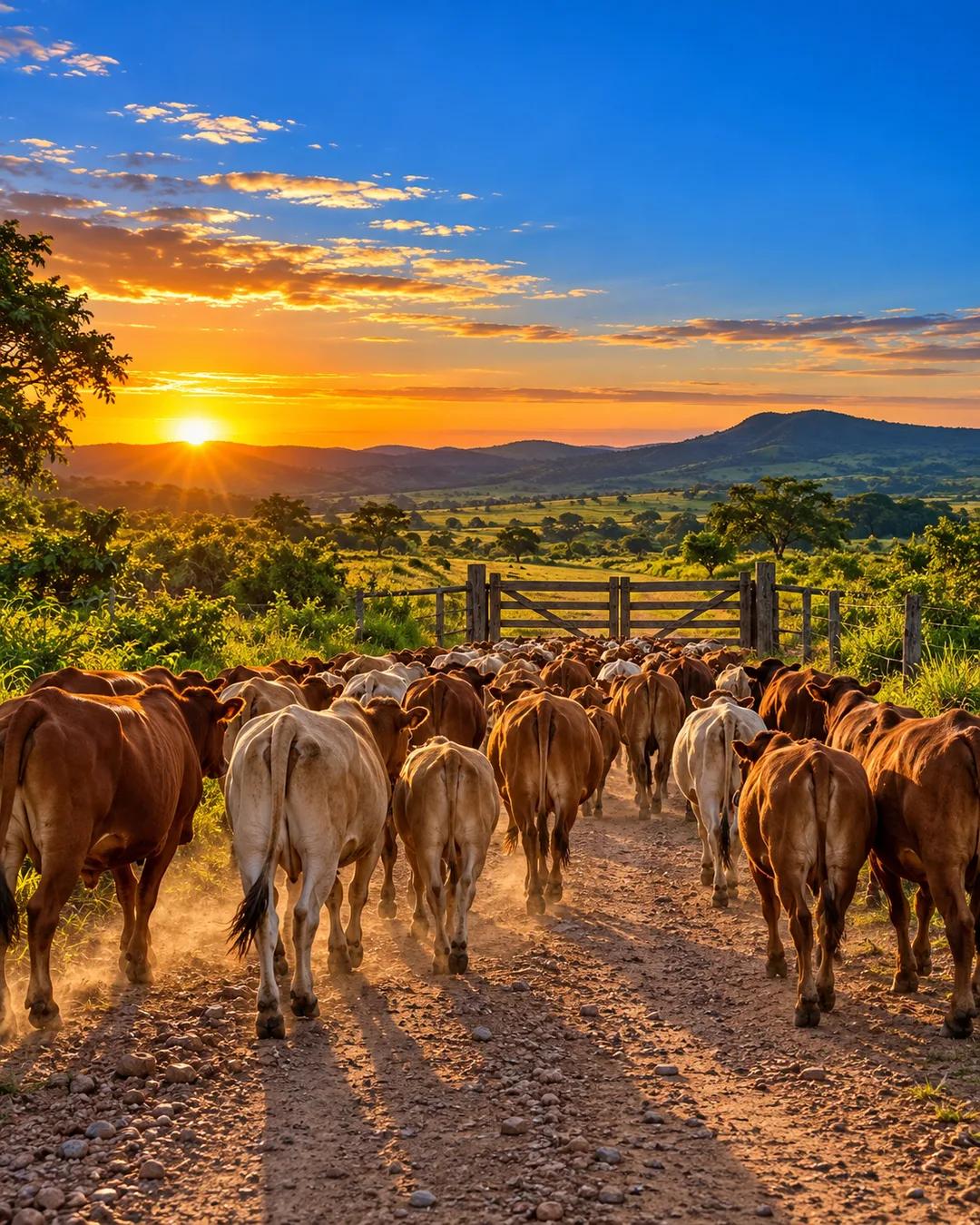
Repaying one cow with a thousand
Running Away Four Times
Chung Ju-yung was born in 1915 to a farming family in North Korea, and the heavy labor made him wonder whether that was all his life would ever be. At about 16 he ran away, and his father found him and brought him back. He ran again and was brought back again. The third time he sold one of the family's cows to pay for a ticket as far away as possible, and he still got caught. The fourth escape finally worked.
Rice, Cars, and Wars
In South Korea he took odd jobs and then became a delivery boy for a rice company. His customers were so impressed that they told the owner, who promoted him to the store, and when the owner got sick a year later, he handed the whole store to him. It took off, until the Japanese colonial rulers decided no money would be made from rice at a Korean store and shut it down. He returned north, came south again, and opened an auto body shop with little knowledge of cars. He found ways to hire people to work faster and cheaper, customers loved it, and when war broke out Japan took the factory for its war effort.
The Cattle Gift
After the war he started building ports and doing shipbuilding, though he knew little about ships, and then he started a car company called Hyundai. In 1998, as an older man, he took a thousand head of cattle across the border as a gift to the North Koreans, to pay back the cow he had sold.
How did the cattle reach North Korea?
In June 1998, Chung led a convoy of trucks carrying 500 cattle across the border at Panmunjom. A second shipment in October brought the total to 1,001 head. The cattle were presented as a gift to North Korea. On the October trip he met Kim Jong Il.
Why was one cow worth so much?
On small Korean farms of that era, oxen supplied the plowing power, and a cow was among a family's most valuable assets. Selling one could cover a major expense. Korean families later sold cows to pay for university tuition, and the university buildings those fees helped build were nicknamed ox-bone towers.
How did Korea end up divided?
Japan ruled Korea from 1910 until its surrender in 1945. The United States and the Soviet Union then divided the peninsula at the 38th parallel to accept the Japanese surrender, with Soviet troops in the north and American troops in the south. Separate governments formed in 1948. The Korean War of 1950 to 1953 ended in an armistice, not a peace treaty.
More from Joys of Compounding