Korva is a scroll of the internet’s best ideas.
Resilient people treat setbacks as temporary

Who gave up
In helplessness experiments, the effect was statistical. Around five out of eight people or animals gave up, and about a third did not. Martin Seligman wanted to know what protected that third, and the answer lay in how they interpreted bad events.
Two ways to explain failure
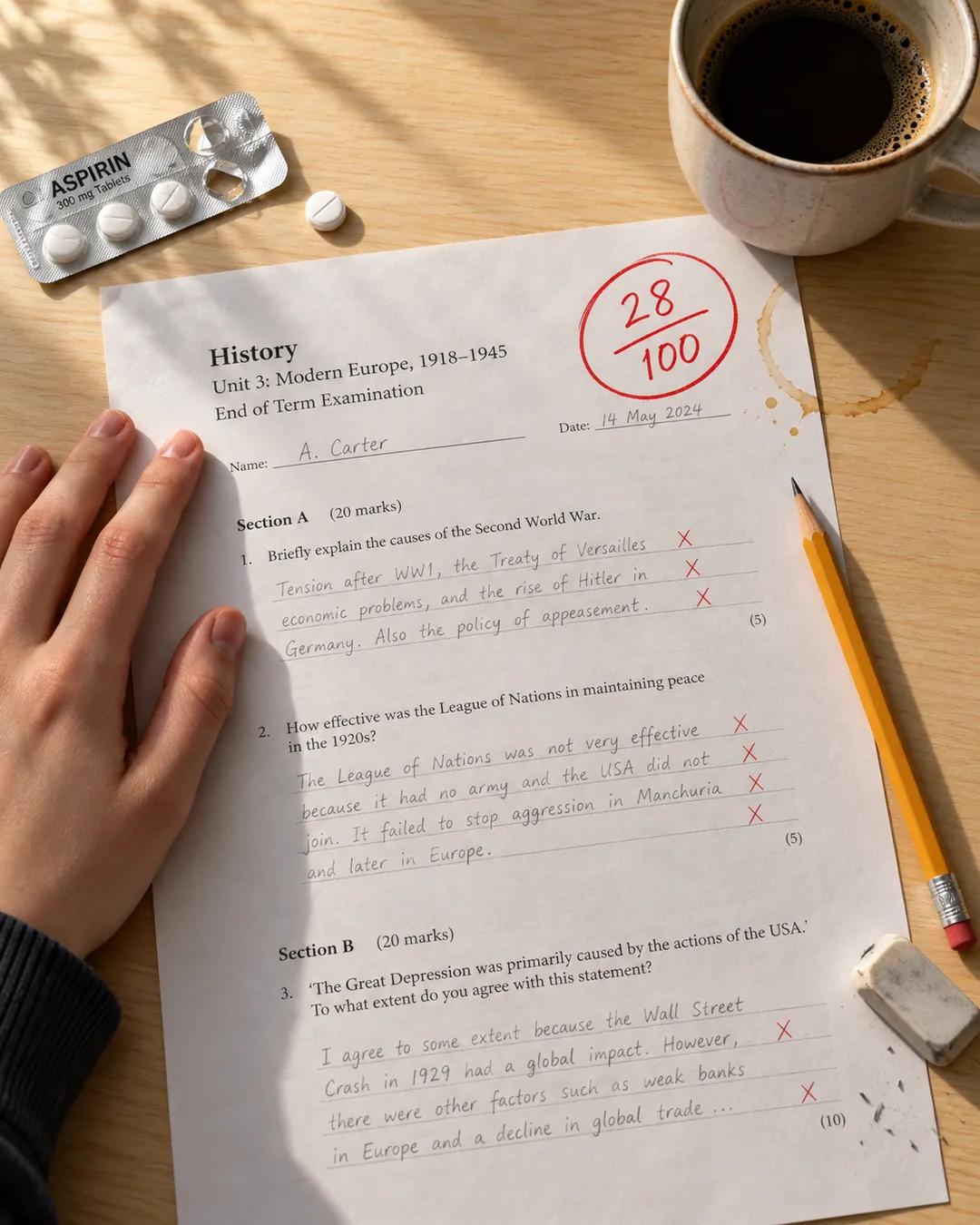
One dimension is permanent versus temporary. After failing an exam, a person might blame a hangover, which means the next exam will go fine, or might decide they are stupid, which will never change.
Another is pervasive versus local. After a rejection, a person might conclude they are unlovable, which follows them to every new person, or might decide it was just her, which leaves the next relationship untouched.
What it predicts
When large groups were measured and then followed over time, the pessimists, who believed the problem was them and would last forever, were between two and eight times as likely to become depressed.
Where did the three dimensions come from?
In 1978, Lyn Abramson, Martin Seligman, and John Teasdale revised the helplessness theory for humans. They drew on attribution theory, in which psychologists such as Bernard Weiner had studied how people explain success and failure. Weiner's work sorted causes into stable and unstable, and internal and external. Abramson and her colleagues added global versus specific, and the dimensions together became known as explanatory style.
Do pessimists see reality more accurately?
In 1979, Lauren Alloy and Lyn Abramson asked students to judge how much control they had over a light that came on after they pressed a button. Depressed students judged their control accurately, including when the button did nothing. Students who were not depressed overestimated their control when the light came on often regardless of what they did. The pattern became known as depressive realism.
More from Hidden Brain