Korva is a scroll of the internet’s best ideas.

Revolutionary work feels wrong at first
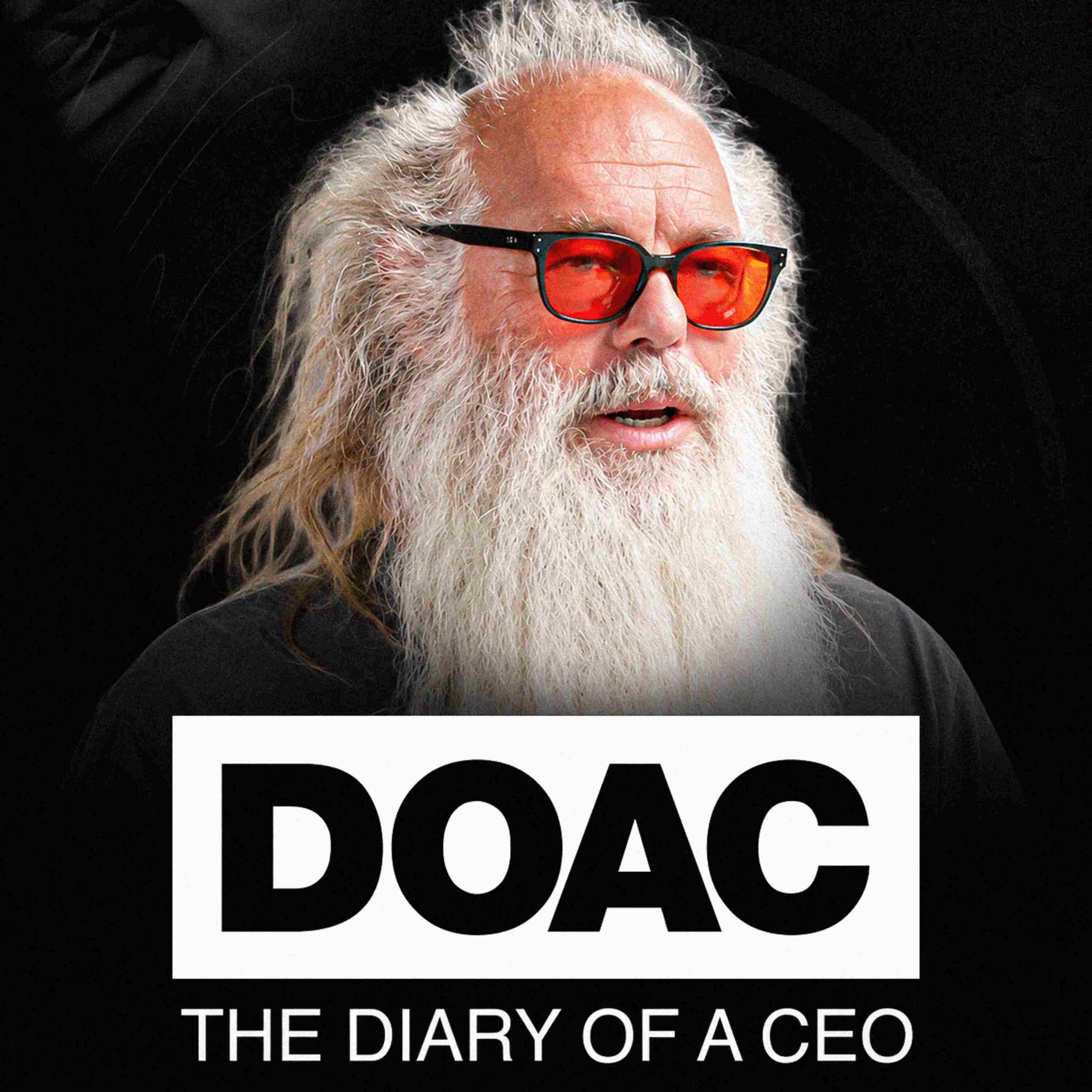
Rubin and Kid A
Radiohead's Kid A is Rick Rubin's example. He loved The Bends and OK Computer, and Radiohead was his favorite band, so when Kid A came out and sounded totally different, it alienated him. He didn't like it at all. Today it might be his favorite Radiohead album.
Most of what he has fallen in love with creatively over his life hit him the same way. On first seeing or hearing it, he often didn't like it, because it was too much or he had no context for it. The truly revolutionary works come with no context.
Making challenging work
That applies to making things as well. A song an artist feels deeply while expecting that nobody will like it is worth following, even when it can't be defended. Work meant for everyone is too easy. The most interesting things are challenging, to the artist and to the people who see them.
Why do masterpieces get booed at first?
Igor Stravinsky's The Rite of Spring premiered in Paris on May 29, 1913, and the audience's reaction became legendary, with shouting and disruption reported in the hall. Its pounding rhythms and harsh harmonies had no precedent in the concert tradition. Within about a year it was performed in concert form to warm applause. The piece is now among the most performed works of the twentieth century.
How did Kid A change Radiohead?
The 2000 album replaced most of the guitars of its predecessor OK Computer with synthesizers, electronic beats, and the ondes Martenot, an early electronic instrument. The band released no singles from it, yet it debuted at number one on the Billboard 200. Pitchfork gave it a 10.0 out of 10. The album later appeared at the top of many critics' lists of the best albums of the decade.
Why does familiarity make us like things more?
The psychologist Robert Zajonc described the mere exposure effect in 1968, showing that people rate unfamiliar items more positively after seeing them repeatedly. The effect holds for images, sounds, and words. In music, repeated listening makes the structure predictable enough to follow, which can turn confusion into enjoyment. It works best when the first reaction is neutral, not strongly negative.
More from The Diary Of A CEO with Steven Bartlett