Korva is a scroll of the internet’s best ideas.
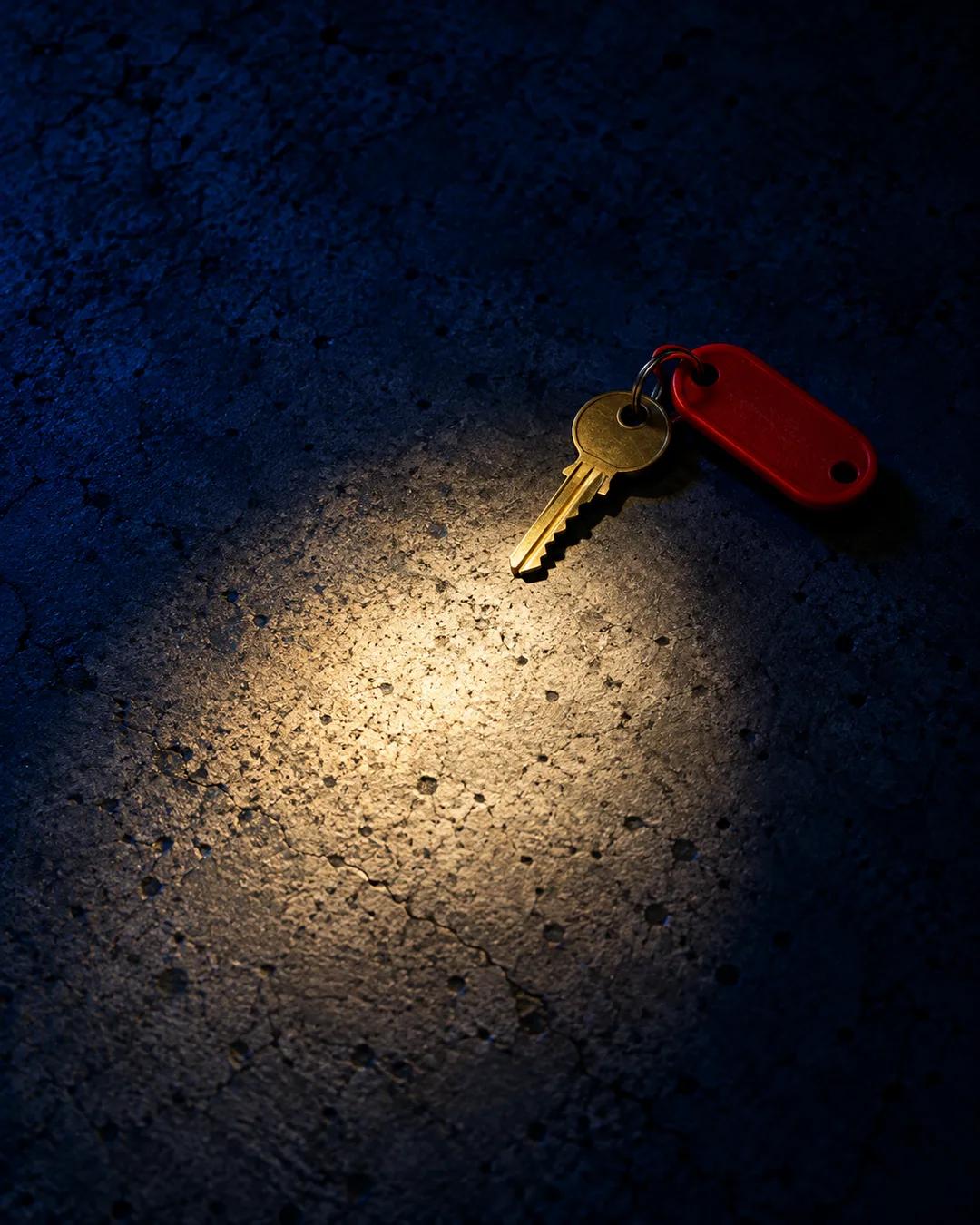
Rewards narrow your focus
Where rewards help
In a second version of the candle experiment, the tacks were presented outside the box. With the tacks out, the task is pretty easy, and the rewarded group outperformed the group that was only being timed.
Rewards concentrate the mind, and that is why they work in so many cases: when the goal is right ahead, a narrow focus zooms straight to it. In the real candle problem, the solution sits on the periphery, so the reward narrows focus and restricts possibility.
Why it matters at work
White-collar workers in western Europe, parts of Asia, North America, and Australia are doing less routine, rule-based work and more creative, conceptual work. Routine work such as certain kinds of accounting, financial analysis, and computer programming has become fairly easy to outsource or automate, since software does it faster and low-cost providers do it cheaper.
The problems that remain often have mystifying rules and a solution that is surprising and not obvious. They are candle problems, and if-then rewards don't work on them.
Why does a narrow focus help with clear goals?
In 1959, psychologist J. A. Easterbrook proposed that arousal shrinks the range of cues a person takes in. When the cues that matter sit at the center of a task, ignoring everything else sharpens performance. When the key to a problem sits at the edge, the same narrowing screens it out. His idea became known as the cue-utilization hypothesis.
Why can software now do routine white-collar work?
Economists David Autor, Frank Levy, and Richard Murnane argued in a 2003 paper in the Quarterly Journal of Economics that computers substitute for human workers on routine tasks, meaning tasks that follow explicit rules. Anything that can be written as a precise sequence of steps can be handed to a program. The same paper found that computers complement workers who do non-routine problem solving. That split explains why accounting and programming tasks built on fixed procedures are the ones most easily automated.
How does the brain find off-to-side solutions?
Mark Jung-Beeman and colleagues recorded brain activity while people solved word puzzles in a 2004 study. When solvers reported a sudden insight, EEG showed a burst of high-frequency gamma waves over the right temporal lobe about 300 milliseconds earlier. The study also found that the right hemisphere is involved in picking up distant associations between words. People who reached answers by step-by-step analysis showed a different pattern.
More from TED