Korva is a scroll of the internet’s best ideas.

Rewards only work where they're wanted
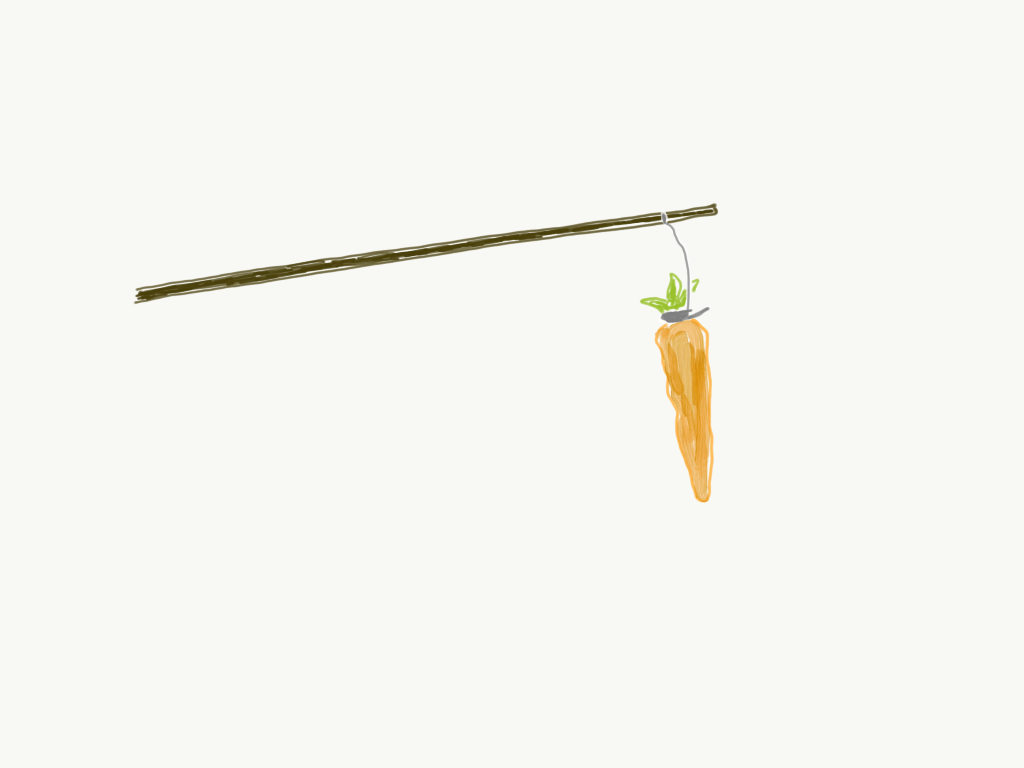
Most people don't live in conditions of extreme scarcity, where survival is propelled by the need for food and water. The types of reinforcement that appeal to them differ as a result.
Culture plays an important role in determining which reinforcers work, and what gets reinforced shapes culture in turn. An air-conditioned office can be a powerful incentive for employees in Indonesia and matter less to employees in a more temperate area.
Why do rewards differ across cultures?
Dutch social psychologist Geert Hofstede surveyed IBM employees in dozens of countries starting in the late 1960s and found that work values differed systematically by country. His dimensions, such as individualism versus collectivism, are still used to compare workplace expectations across countries.
How does deprivation change a reward's pull?
Behavior analysts call such a condition a motivating operation, building on Jack Michael's 1982 concept of the establishing operation. Food works as a stronger reinforcer for an animal that has gone without it and a weaker one right after a meal. Animals in Skinner's experiments were typically kept slightly below their free-feeding body weight so that food would work as a reward.
Why did Maslow rank human needs?
Abraham Maslow proposed in a 1943 paper that people tend to pursue basic needs such as food and safety before higher ones such as belonging and esteem. The pyramid image now associated with his hierarchy was added by later authors, and Maslow's 1943 paper did not draw one.