Korva is a scroll of the internet’s best ideas.
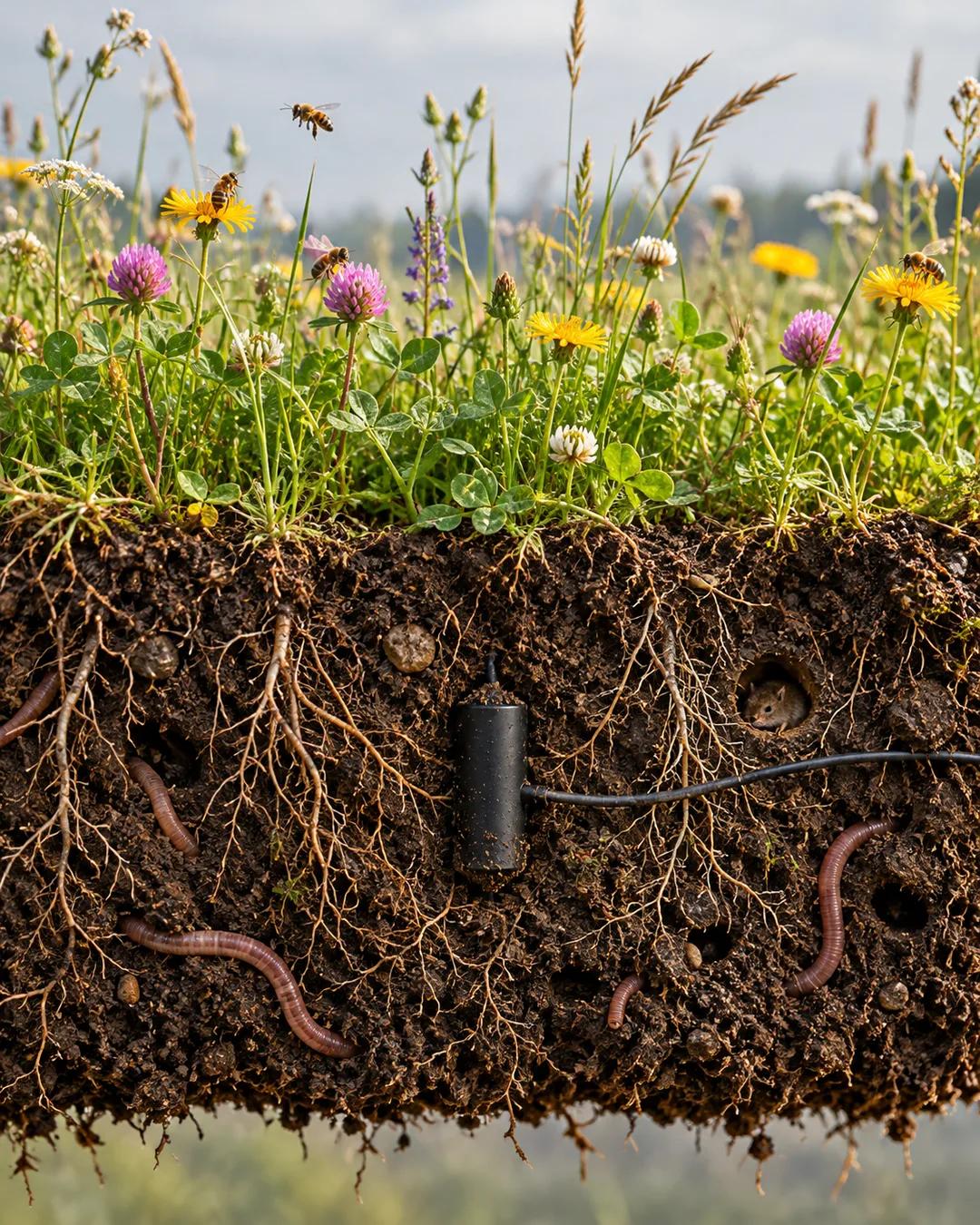
Rewilded soil sounds more diverse
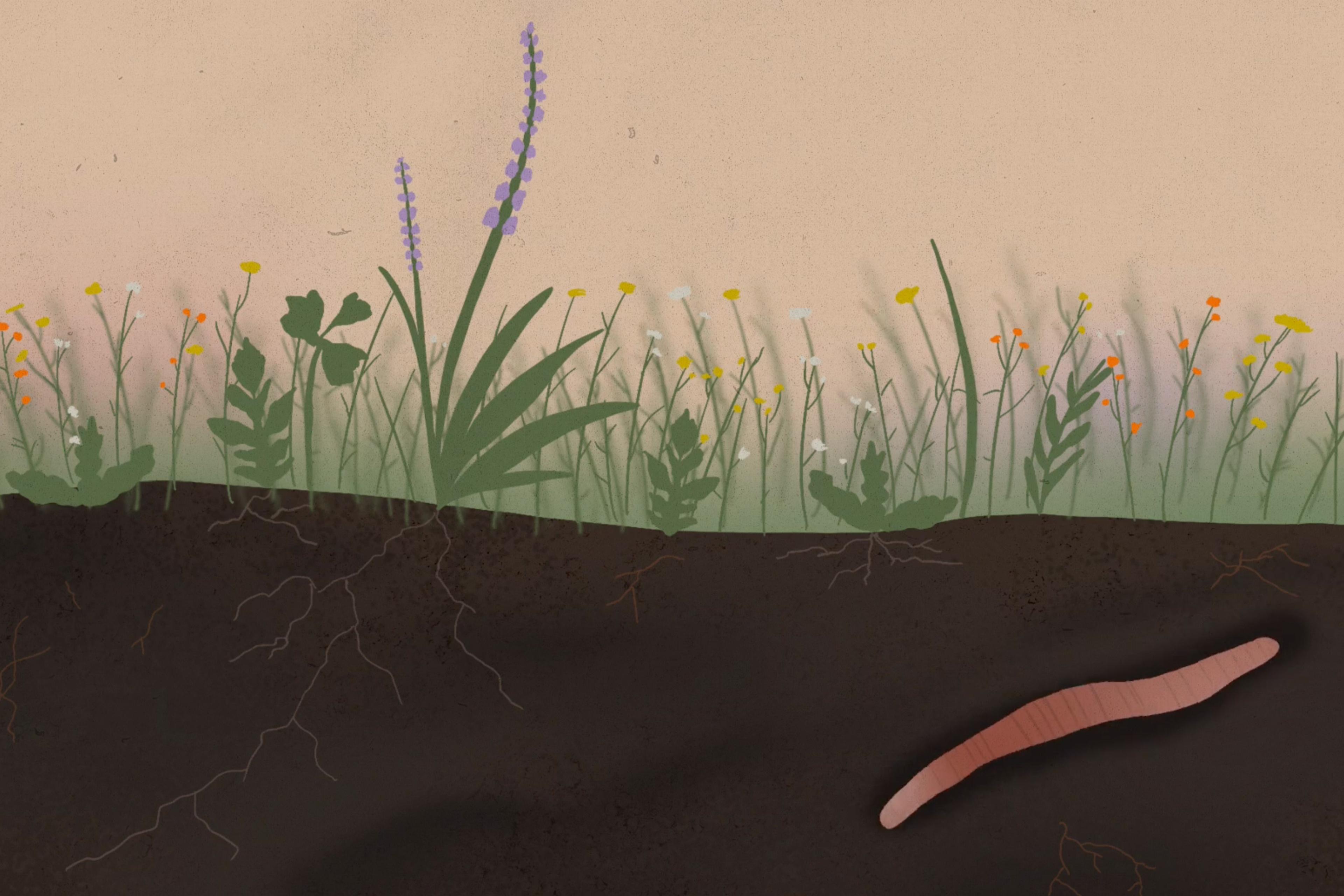
Recording around the clock
The recordings ran continuously for 24 hours, which showed how the soundscape shifts from day to night. Acoustic activity peaked after midnight, the hours when earthworms are most active in the soil.
Counting soil invertebrates
Alongside the recordings, the team did traditional soil biodiversity sampling, scooping up earthworms, ants, woodlice, millipedes, beetles, and insect larvae. Earthworms made up most of the soil invertebrates, and their movements are believed to contribute significantly to the soil soundscape.
Worms as ecosystem engineers
Earthworms earn that role as soil ecosystem engineers. Their burrows change the soil structure, and different types burrow vertically or horizontally, deep or shallow, which lets air and water flow. They also break dead plant and animal matter into smaller pieces for bacteria and fungi to feed on, which releases nutrients that would otherwise be trapped. That is why counting earthworms is a common method for assessing soil health in agricultural settings.
Why are earthworms most active at night?
Earthworms breathe through their skin, which has to stay moist, so dry daytime air and sunlight are hazards. Cool, damp nights let species like the common nightcrawler come to the surface to feed on leaf litter and to mate. Darkness also protects them from birds, which hunt by sight in daylight. A nightcrawler typically keeps its tail anchored in its burrow while its head searches the surface.
How can cattle grazing change soil life?
Heavy hooves press soil particles together, which squeezes out the pore spaces that hold air and water. Compacted soil is harder for roots and burrowing animals to move through. Intensive grazing also strips plant cover, so less root material and leaf litter reaches the soil to feed the animals in it. Rewilded grassland tends to keep taller, more varied plant cover, which supplies a wider range of food.
How does earthworm waste enrich soil?
Worm casts, the material that passes through a worm's gut, contain more plant-available nitrogen, phosphorus, and potassium than the surrounding soil. The gut mixes organic matter with minerals and microbes, which speeds up the breakdown of leaves. Charles Darwin estimated in 1881 that worms bring about ten tons of soil per acre to the surface each year.
More from Ella Browning