Korva is a scroll of the internet’s best ideas.
Rivals still want your customers

Rivals and partners
A hotel that fills 90% of its rooms instead of 70% is in a completely different position, so hotels build direct channels and loyalty programs while also taking bookings from the platforms. McDonald's, Starbucks, and Chipotle are in the same spot: all of them compete to some extent with Uber Eats while working with it.
Waymo on Uber
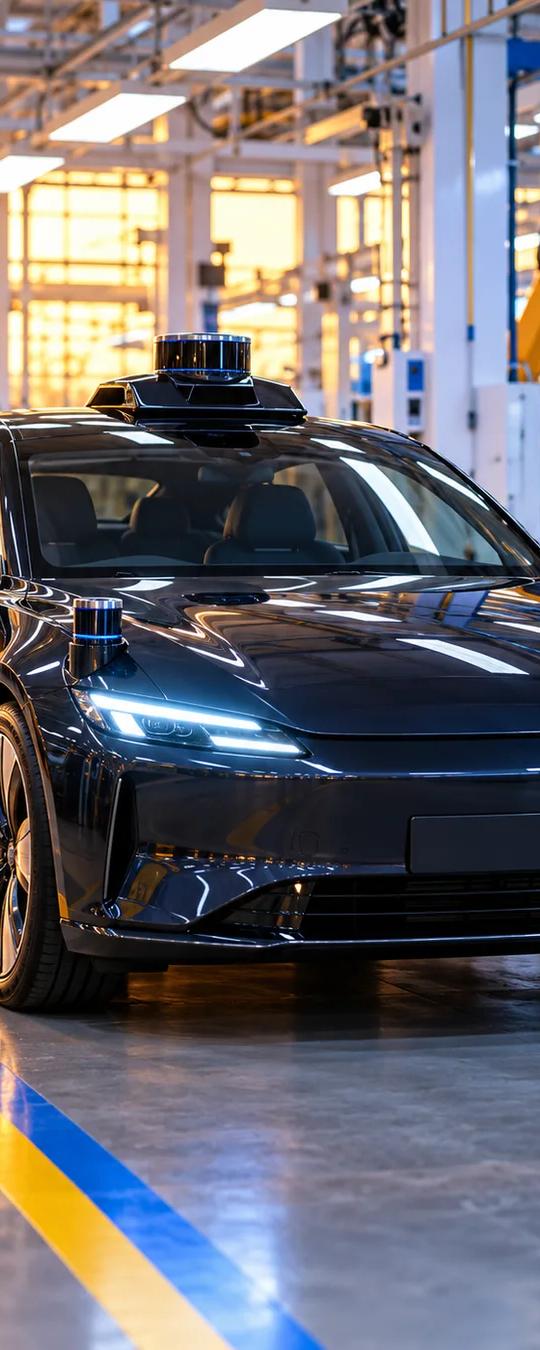
Waymo fits the pattern. It wants to build its own brand and channel, and its cars get more utilization on Uber's network. AVs on the network are 30% or more busy than vehicles that are not on it, in trips per vehicle per day and revenue per vehicle per day, which makes a big difference to the return on expensive cars.
Licensing the driver
Some partners, such as Wave, build one end-to-end driving model and license it to carmakers, while Uber supplies the demand. The result is expected to be a mix of business models, as there already is in travel and food.
Why do hotels pay booking platforms?
A hotel room that sits empty tonight cannot be sold tomorrow, so unsold inventory is lost for good. Platforms bring in travelers who would not otherwise find the hotel, and they charge a commission on each booking. The same perishable-inventory logic led airlines to develop revenue management after United States deregulation in 1978, with American Airlines among the first to use it.
Why does utilization matter for robotaxis?
A vehicle full of sensors and computers costs more to build than an ordinary car, and that cost is spread across every trip it makes. The more hours a day it carries passengers, the less each trip has to bear. A 2012 study by the RAC Foundation in Britain found that private cars are parked about 96 percent of the time.
More from Invest Like the Best with Patrick O'Shaughnessy