Korva is a scroll of the internet’s best ideas.
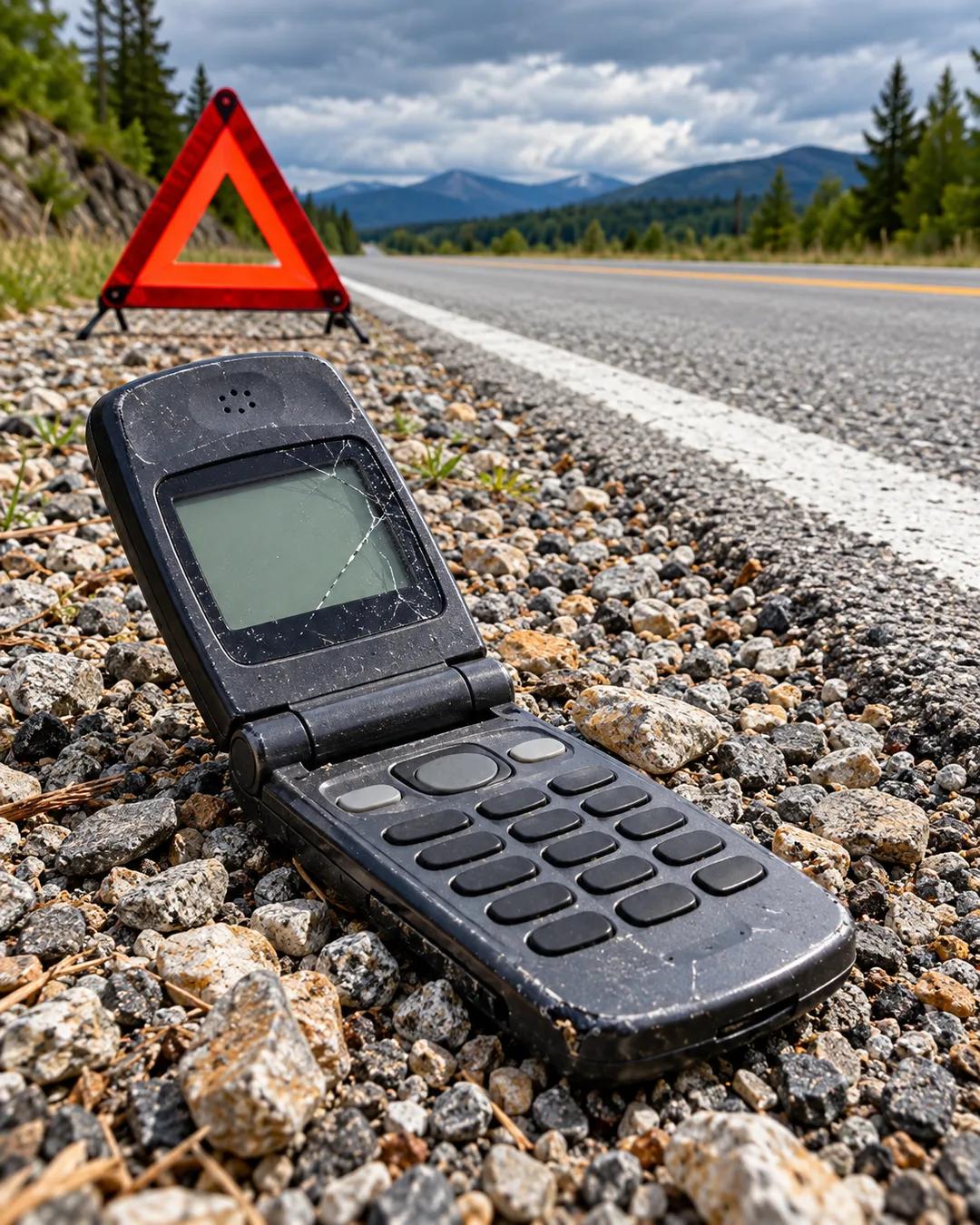
Roadside assistance became handset insurance

Origins
Kevin Tawil and Jim Ellis bought the business out of a search fund. The original business provided roadside assistance to the subscribers of cellular phone companies. Over the first several years, handset insurance, offered as an ancillary service to the same customer base, became the core business, and it has grown ever since. Tawil has been CEO and chairman through all of it, and the deal turns 30 this July.
The economics
The economics were exceptional: a recurring revenue stream that was capital efficient and sat in front of the growth in cellular penetration. In July 1995 there were 27 million cellular subscribers, and a dozen years later there were 10 times that many.
A 1 percent outcome
Almost any CEO dropped into those starting conditions would probably have done well, and yet the result the company achieved under Tawil and his team would be a 1 percent outcome. Asurion also did a variety of things uniquely well to drive returns for shareholders and the management team. By multiple on invested capital and any other measure, it is probably one of the greatest outcomes in private equity, with a multiple cited at more than 5,000 times.
Why did phones need insurance?
In the 1990s and 2000s, wireless carriers sold phones at a discount in exchange for service contracts, so a lost or broken handset left a customer facing a high replacement price. Phones are small, carried everywhere, and easy to drop or lose. Insurance could be added to the same monthly bill the customer already paid the carrier. Carrier billing systems let the insurance premium appear as one more line on the wireless bill.
Why did cell subscriptions spread so fast?
Early analog cellular service was expensive and used large handsets. Digital networks began rolling out in the United States in the mid-1990s and carried more calls per slice of radio spectrum, which let carriers cut prices. Competition among carriers and falling handset costs pulled in ordinary consumers, not only business users. Digital standards such as GSM and CDMA spread across the world during that decade.
More from Joys of Compounding