Korva is a scroll of the internet’s best ideas.
Robotics may get a robo-taxi moment

Self-driving as precedent
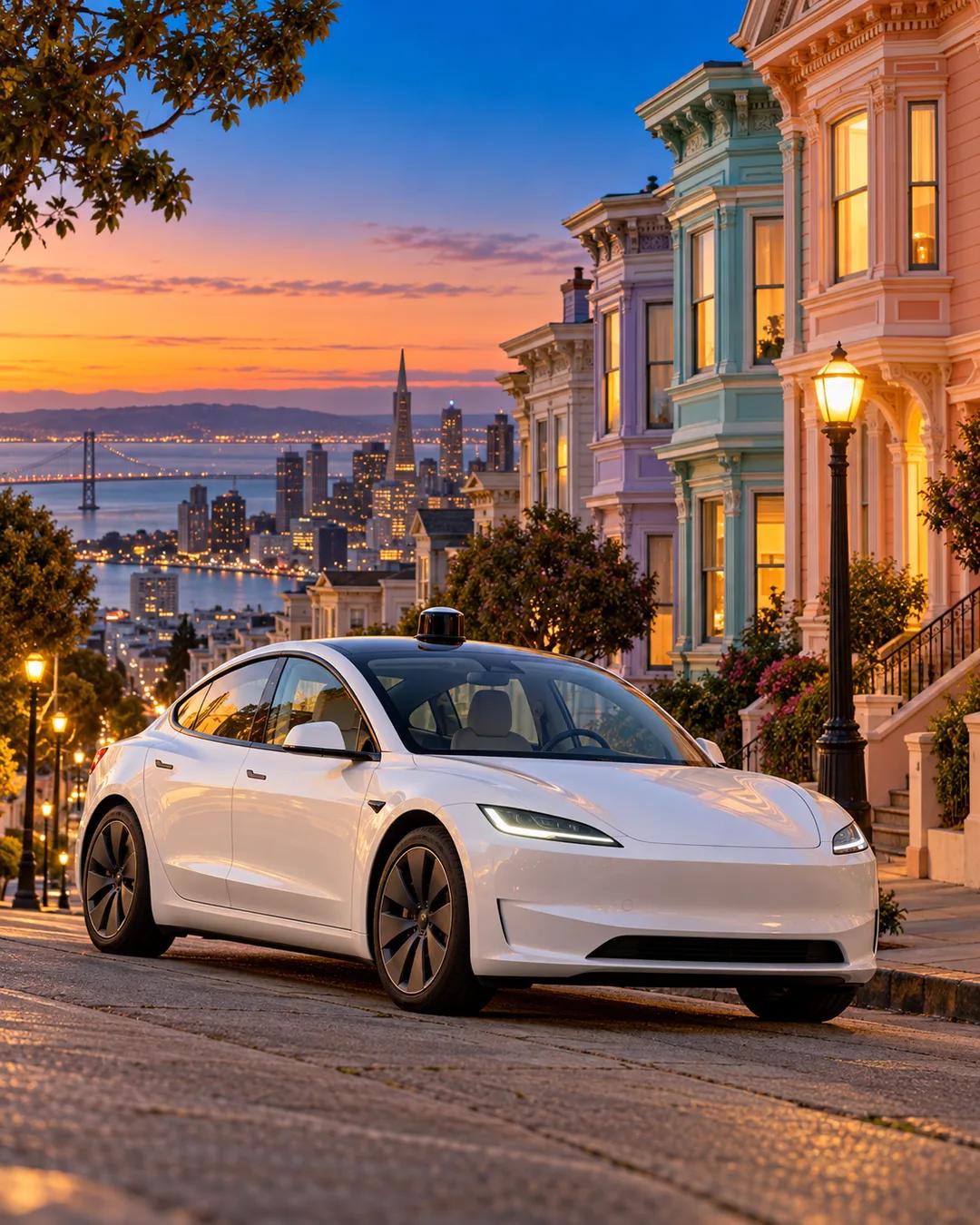
Self-driving cars had a person inside them for years. Cruise cars drove around San Francisco with someone in the seat, and a decade or so later, Waymo is a service people in San Francisco use a lot. It runs in Austin and Phoenix too, so it technically works.
The distribution is unequal, and scaling may run into regulatory or other challenges. That is the shape robotics may follow: the progress will be there, but a ChatGPT-style jump in usage is harder when the product is a physical thing.
The robotics data market
The data market for robotics is nascent relative to gen AI and to autonomous vehicles. Real-world physical data is expected to grow significantly over the next three years, and robotics is an area where Mercor sees a lot of room to grow.
Why did ChatGPT spread faster than robots can?
Software copies at almost no cost, so a chatbot can serve millions of new users with more servers. A robot requires parts, assembly, shipping, and servicing for every unit. A UBS analysis reported in early 2023 estimated that ChatGPT reached 100 million monthly users about two months after launch. Hardware products typically reach that scale over years.
Why do self-driving cars need so much data?
Most driving is routine, but a long tail of rare events, such as unusual road layouts or odd behavior from other drivers, accounts for much of the difficulty. A system cannot learn what it has never seen, so developers gather large amounts of real-world driving and simulate rare cases. Waymo traces back to Google's self-driving car project, which began in 2009.
How do robots learn from human demonstrations?
In teleoperation, a person controls a robot through a task while sensors record camera views and joint movements. The recordings become training examples for imitation learning, where a model learns to reproduce the actions. Gathering them is slow because each demonstration takes real time on real hardware. A 2023 collaboration called Open X-Embodiment pooled demonstrations from many labs and robot types into a shared dataset.
More from 20VC with Harry Stebbings