Korva is a scroll of the internet’s best ideas.
Rules nobody has to enforce

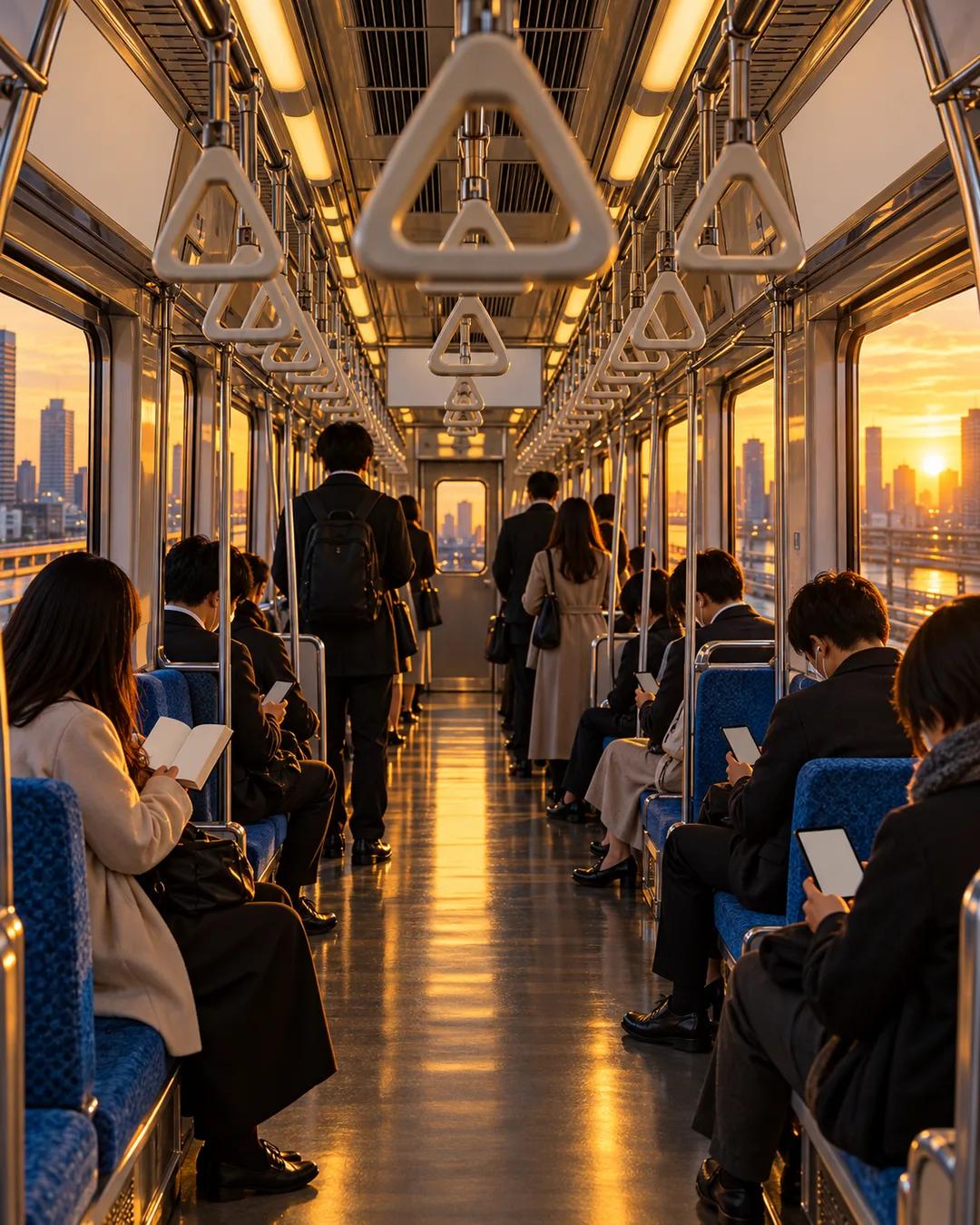
Quiet on trains
On a train car, people keep their voices down or don't speak at all. Step into a crowded elevator with a friend or partner, and both of you go quiet. No one polices it, and the effect is a civility that appeals to people who dislike top-down authority.
The cafe incident
At a packed cafe in Tokyo, a Russian woman who has lived in Japan for years and speaks fluent Japanese was explaining her project in a very loud voice. A man two tables away stood up and asked her, in English, to keep her voice lower. She looked him in the eye, apologized with a sumimasen, and lowered her voice, and she and her companion moved to another table so they wouldn't bother him while he read. The same request in New York could easily have turned into a confrontation.
The darker side
The wish to avoid conflict and harmonize has a darker side. Some of the most vicious fights seen in bars have been in Japan, when the pressure cooker explodes. The codes don't suit everyone, and a visitor on a five-day trip would rarely see that side unless they were in the wrong bar at the wrong time.
Why do Japanese groups avoid open conflict?
Japanese social life puts great weight on wa, a word for group harmony. In farming villages of the Edo era, neighbors depended on shared irrigation for rice paddies, so a feud was costly for everyone. Villages sometimes practiced mura hachibu, in which a household that broke community rules was shunned in most matters, except for funerals and fires.
Why does sumimasen mean so many things?
The word is built from sumu, a verb meaning to be settled or finished, so its literal sense is close to 'this is not settled.' It carries the idea that a favor or imposition leaves something owed. That is why people use it both to apologize and to thank someone for the trouble they took. It is also the standard way to get a waiter's attention or squeeze past someone on a train.
More from Search Engine