Korva is a scroll of the internet’s best ideas.
Russia was never ours to lose

After the Cold War
What Russia became after the Cold War was for Russians to sort through. A US diplomat posted there just after the Soviet collapse found a complicated mix in Yeltsin's Russia: hope that life beyond communism, which had served people abysmally, would bring greater possibilities for citizens, and a sense of humiliation and loss.
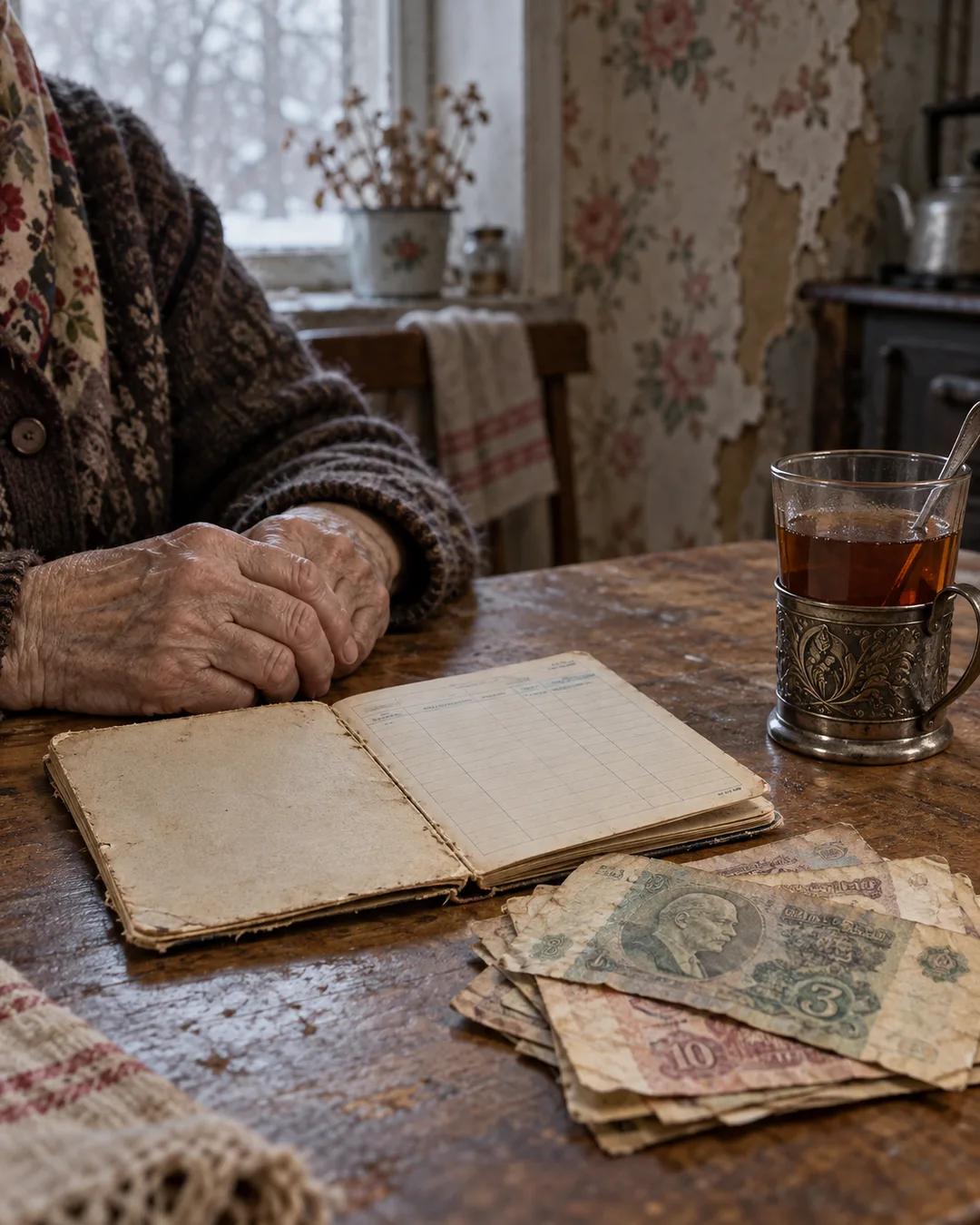
The humiliation was the loss of status as a great power rival of the United States. Older Russians had also lost their life savings in Yeltsin's time and experienced a lot of heartache.
From Humiliation to Putin
In some ways a straight line runs from that humiliation to Putin, who took advantage of it and saw his purpose as restoring great power status. In the 25 years William Burns has known him, Putin has had a singular fixation on Ukraine. His view is that Russia can't be a great power, and he can't be a great Russian leader, without controlling Ukraine and its choices.
Why did Americans blame each other for China?
After the Communist victory in China's civil war in 1949, Republican critics accused the Truman administration of failing to back the Nationalists. The State Department had published a China White Paper that year arguing the outcome was beyond American control. The charge that someone had lost China fed the anti-Communist politics of the early 1950s, including McCarthyism. Several State Department China specialists were later investigated and driven out of government.
Why did Russians lose their savings in the 1990s?
Russia freed most prices in January 1992, ending Soviet-era price controls. Prices rose far faster than wages, and savings held in rubles lost most of their purchasing power within a year. Many older Russians had saved for decades in state savings accounts that the inflation emptied out. The ruble collapsed again in the financial crisis of August 1998.
More from Not Dead Yet