Korva is a scroll of the internet’s best ideas.
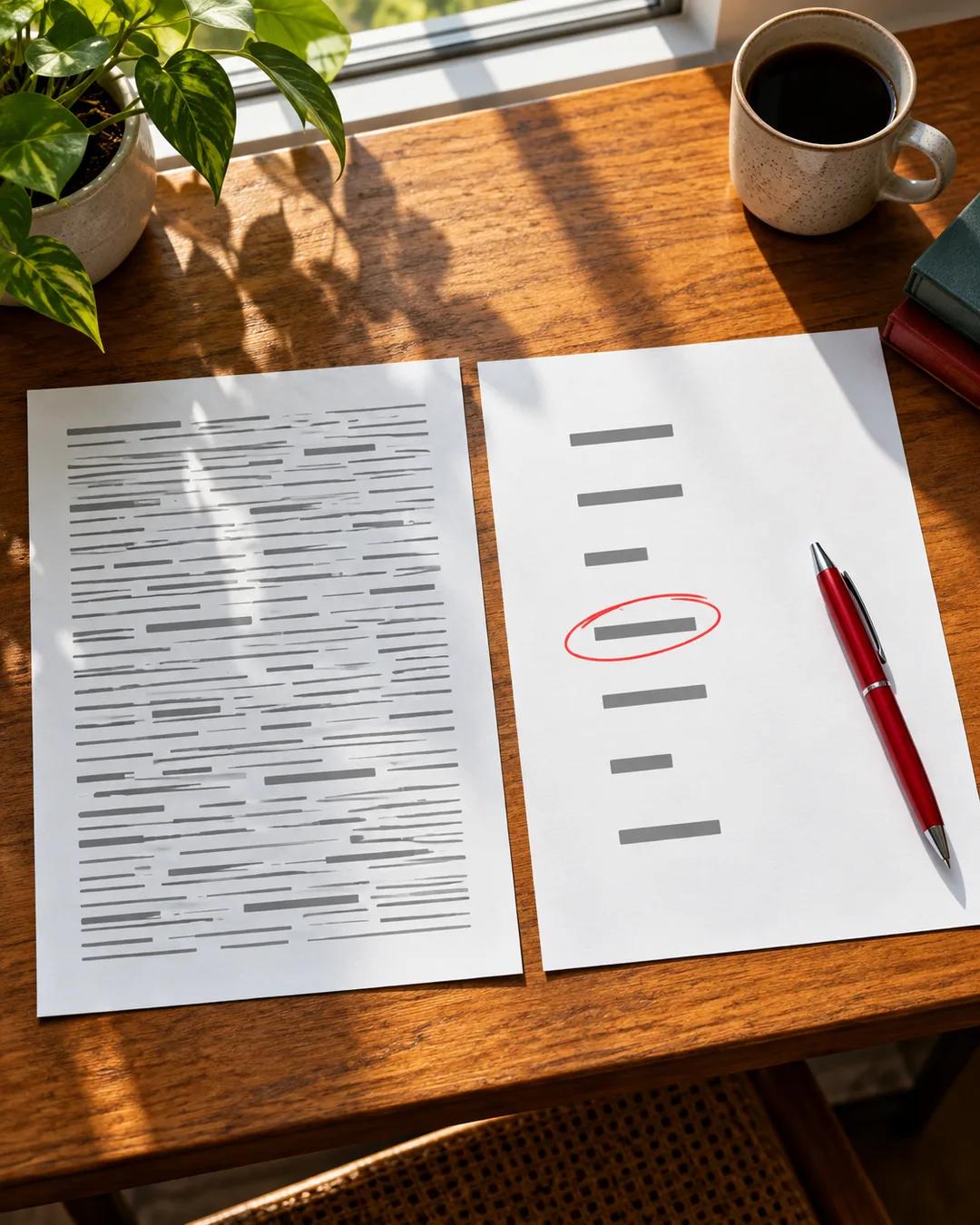
Same information, different delivery

Some tasks are objective. A math problem or a program either works or it does not, and the result can be checked. Others, like a poem, are subjective, and two people can reasonably prefer different ones.
Arena tries to disentangle the two. It separates the objective signals, such as whether the result is correct, from the rest, which is subjective.
Style carries real weight in human communication. The same information can arrive boring and padded with too many words, or energetic and crisp, and the delivery changes what the other person understands and retains. A column or a presentation works the same way. Model and application providers want to know how to deliver information in the most effective way, much like user experience on a fridge or a TV.
Music is the clearest case. Tastes differ so much that a smart model might guess what one person likes, but no single answer exists.
Why does style shape what people remember?
Readers retain information better when it is organized and easy to process. Cognitive scientists call the mental effort of processing text cognitive load. Padding adds load without adding meaning, so the key points are harder to spot. Research on instruction design, including work by John Sweller in the 1980s, helped establish this idea.
Why can't one answer win in music?
Musical taste depends on personal history, culture, mood, and even the era a person grew up in. Surveys of listeners show that the songs people name as favorites cluster around their teenage years. There is no ground truth to check an answer against, unlike a math problem. Recommendation systems at music services therefore rely on each listener's own history, not a universal ranking.
How do you separate style from substance in votes?
Statisticians can model a vote as a function of several features at once, such as answer length, formatting, and correctness. Fitting that model shows how much each feature moves the outcome when the others are held constant. Researchers studying chat evaluation have found that longer responses and heavy formatting tend to win more votes. Controlling for those features gives a ranking that depends less on presentation.
More from Lightspeed Venture Partners