Korva is a scroll of the internet’s best ideas.
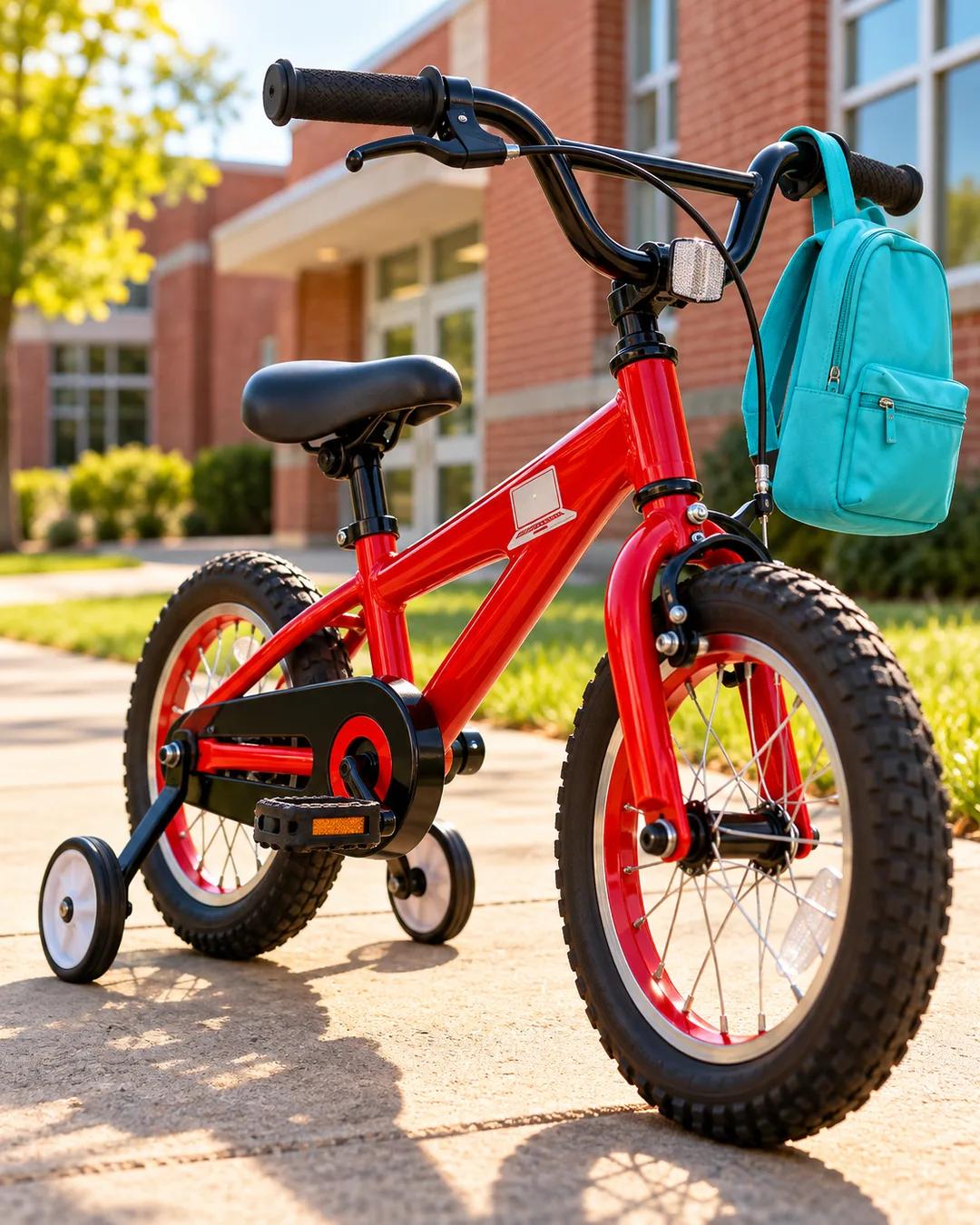
Schools are training wheels for ecosystems
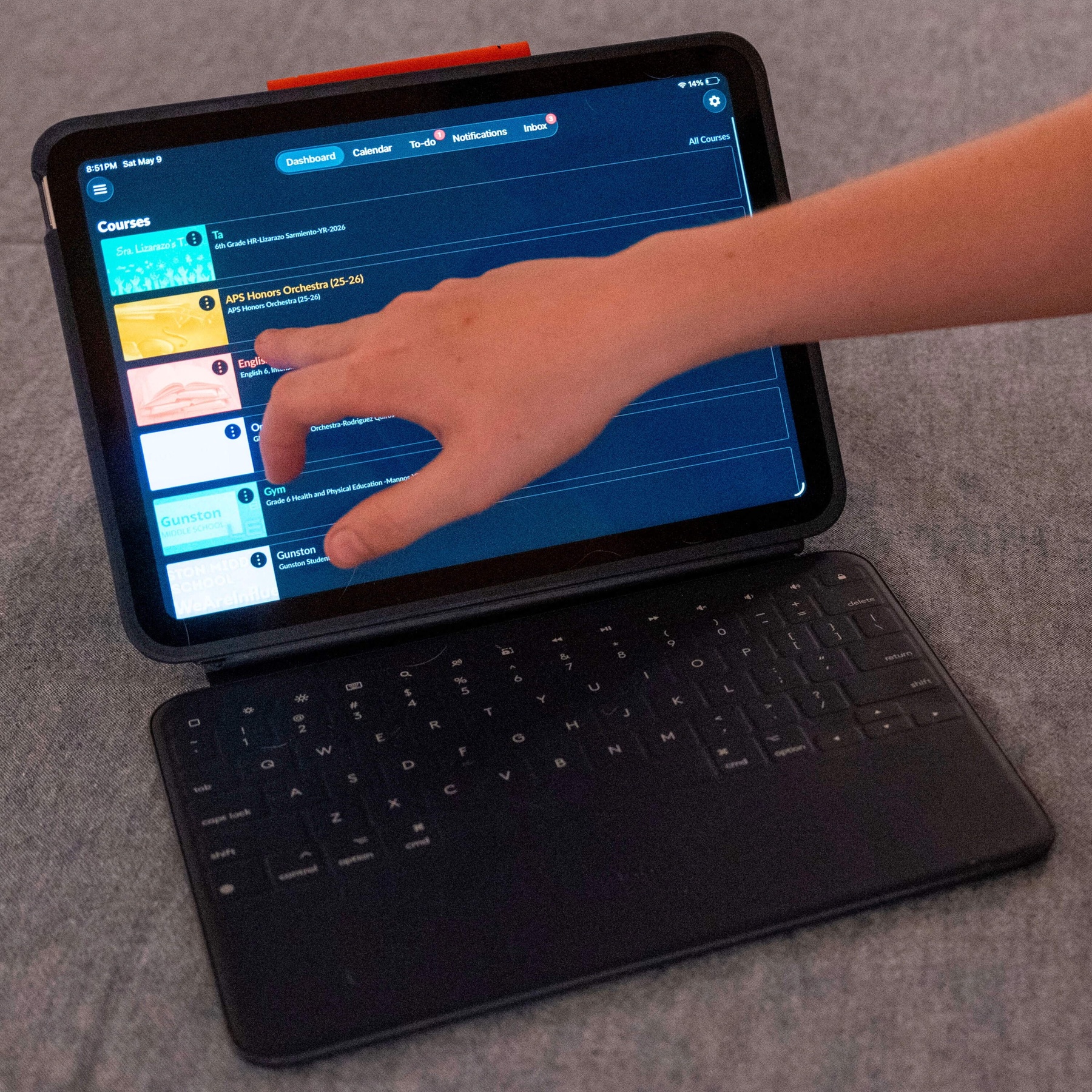
Public schools in the United States spend upwards of $30 billion a year on hardware and software, so the market is huge by itself. The longer payoff is loyalty, whether the operating system is Apple's, Google's Chrome, or Microsoft's.
Picture a kid who uses a MacBook in class. That kid asks for an iPhone as a first phone, then buys Apple Music and Apple TV, and eventually MacBooks for the whole family. Picture a kid raised on Google instead, who ends up buying Nest cameras and keeping all their email on Gmail.
A single device matters less than the years that follow it. School supplies the training wheels for a brand, and elementary schoolers and their teachers are the best targets, because an app a kid learns young may stay with them for life.
Why do switching costs keep customers loyal?
Economists call everything a customer gives up by leaving a product its switching costs. In a tech ecosystem those include purchased apps and media tied to one account, saved photos and email, and habits built over years. Each new device or service added to the ecosystem raises the cost of leaving. Economists Carl Shapiro and Hal Varian analyzed this lock-in at length in their 1998 book Information Rules.
Why target elementary schoolers specifically?
Marketing researchers have long studied how brand preferences form in childhood. James McNeal, who spent decades studying children as consumers, documented that very young children recognize brand logos and ask for brands by name. Habits formed early tend to carry into later buying. McNeal's research helped establish children's consumer behavior as its own field of study.
More from Fresh Air