Korva is a scroll of the internet’s best ideas.
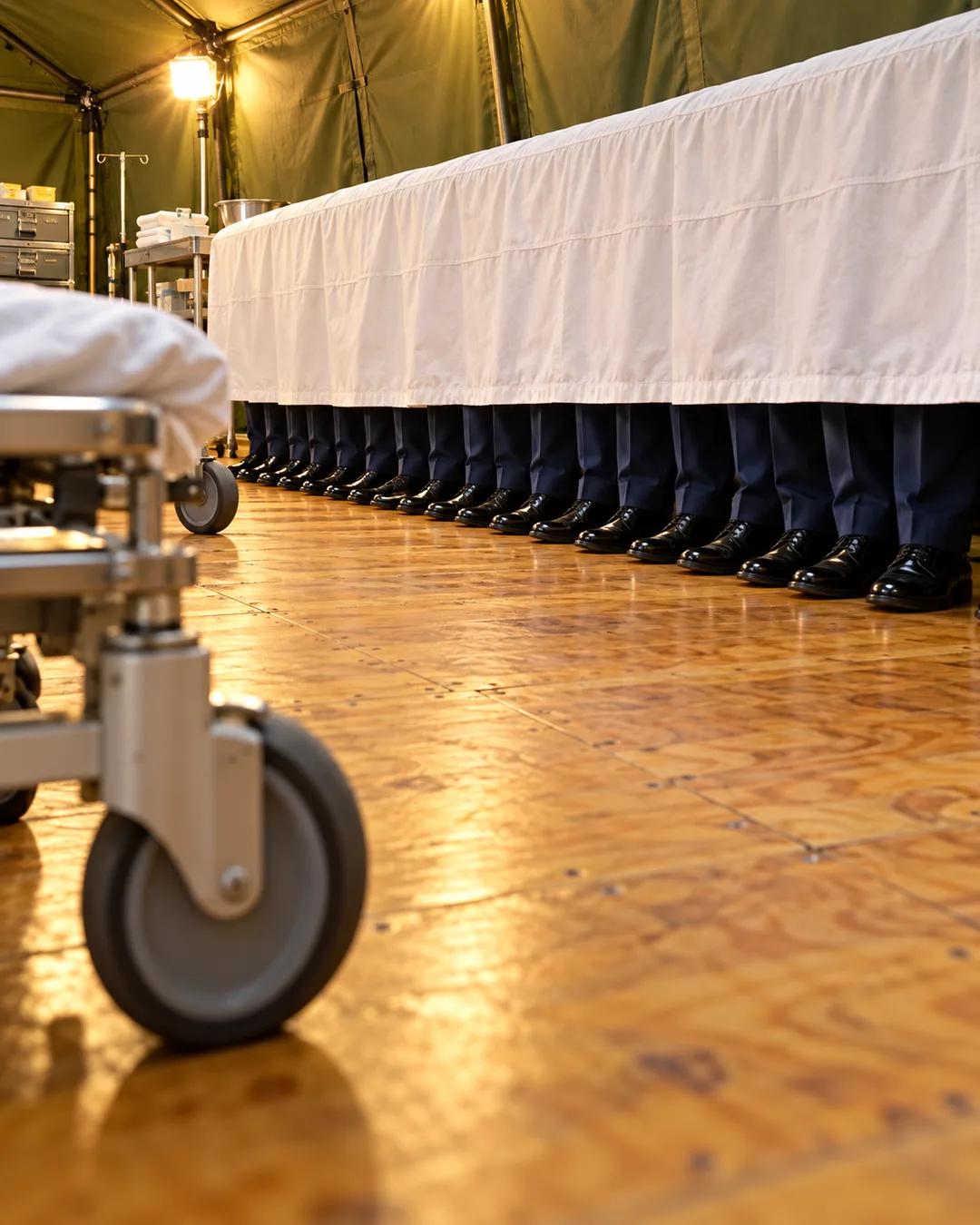
SEALs gathered in case he died

The wounded arrive
The two casualties had been flown to FOB Shank after a grenade blast in Afghanistan, and the doctors did not know yet what they would need to do. The man on the stretcher had his clothes cut off and could not tell how bad his injuries were. On the helicopter he had refused morphine because he wanted to be lucid if he was going to die.
The waiting SEALs
The tent was so bright inside that he could barely open his eyes. In the back corner stood friends who had not been on the mission. They had tracked it in real time, seen the call signs of wounded SEALs come across, and put on the best uniforms they had in the middle of the night.
Surgery and home
Wheeled past them, he felt like he was going to his own funeral. Doctors swarmed him to pull shrapnel from his hips and leg, and he went under. He woke in Germany with his limbs intact, and about seven days later he was back home in Virginia, hobbling down an aisle at Home Depot.
Why do wounded soldiers go to Germany?
Landstuhl Regional Medical Center in Germany served as the main US military hospital outside the United States for casualties from Iraq and Afghanistan. Patients typically arrived within a day or two of injury, after stabilization closer to the front. Those who needed longer care continued by air to hospitals such as Walter Reed in the United States. Landstuhl sits near Ramstein Air Base, which handles the aeromedical flights.
How did medevac get so fast in Afghanistan?
In 2009, Defense Secretary Robert Gates ordered that wounded troops in Afghanistan reach medical care within an hour of a call for evacuation. The target built on the idea of a golden hour after serious injury, when treatment has the greatest effect on survival. Helicopters carrying medics flew from forward bases to meet that standard. The share of wounded US troops who survived to reach a hospital rose to among the highest recorded in modern war.
How do commanders track a raid live?
Operations centers follow raids through radio traffic, drone video, and position-tracking systems. Each unit and aircraft carries a call sign, a short code name used on the radio in place of personal names. When a casualty report comes in, the call sign tells everyone listening which element was hit. US forces in Afghanistan used systems known collectively as Blue Force Tracking to show friendly positions on a map.
More from The Joe Rogan Experience