Korva is a scroll of the internet’s best ideas.
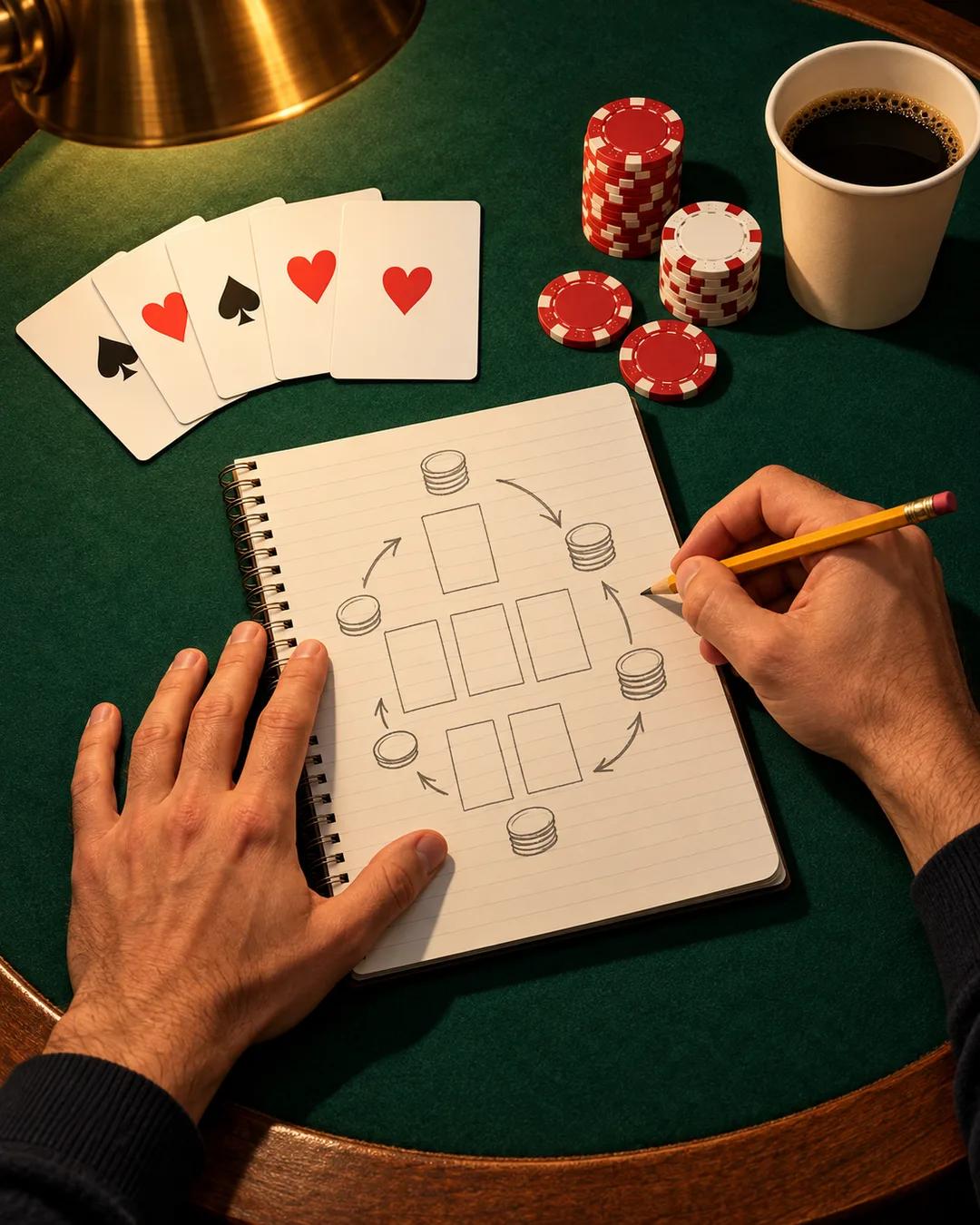
Seidel wouldn't hear the bad-luck story

A blunt response
Annie Duke met Eric Seidel when she was 16 and started playing poker professionally at 26, which turned an old buddy into a peer. Seidel has won over $38 million in his career. Early on, she got knocked out of a tournament after something unlucky happened and went to him to complain about it.
He had no patience for it. If she had really lost because of bad luck, there was nothing to learn from it, and he wanted no part of her emotional distress. But if she had a question about strategy, he was all ears. The conversation was blunt, and she has been thankful for it ever since.
What changed
After that, she watched the table differently. Luck stories made poor material to bring back to him, so she began looking for her own mistakes and for opponents who might be beating her because they were better. When she went back and told him she thought she had butchered a hand, he was willing to dig into it with her. Blaming luck had never earned that.
Down the hall of the poker room, other players were swapping stories about how unlucky they got and how someone else was an idiot. The group around Seidel talked about mistakes, which gave her a sense of belonging and distinctiveness of her own. They remain friends.
Why does blaming luck stop learning?
Psychologist Bernard Weiner's attribution research in the 1970s looked at what people credit for their successes and failures. He found that explanations a person sees as controllable lead to different next steps than explanations they see as chance. A failure pinned on chance offers nothing to change, while one pinned on a choice offers something to try differently. His framework sorts causes by whether they are internal or external, stable or unstable, and controllable or uncontrollable.
How can the better poker hand still lose?
Pocket aces, the best starting hand, win roughly 80 to 85 percent of the time against a hand like king-queen before any community cards appear. That means the favorite loses about one time in five or six, which happens regularly over an evening of play. Over many thousands of hands these swings average out, but a single session or tournament sits well inside the noise.
More from Talks at Google