Korva is a scroll of the internet’s best ideas.
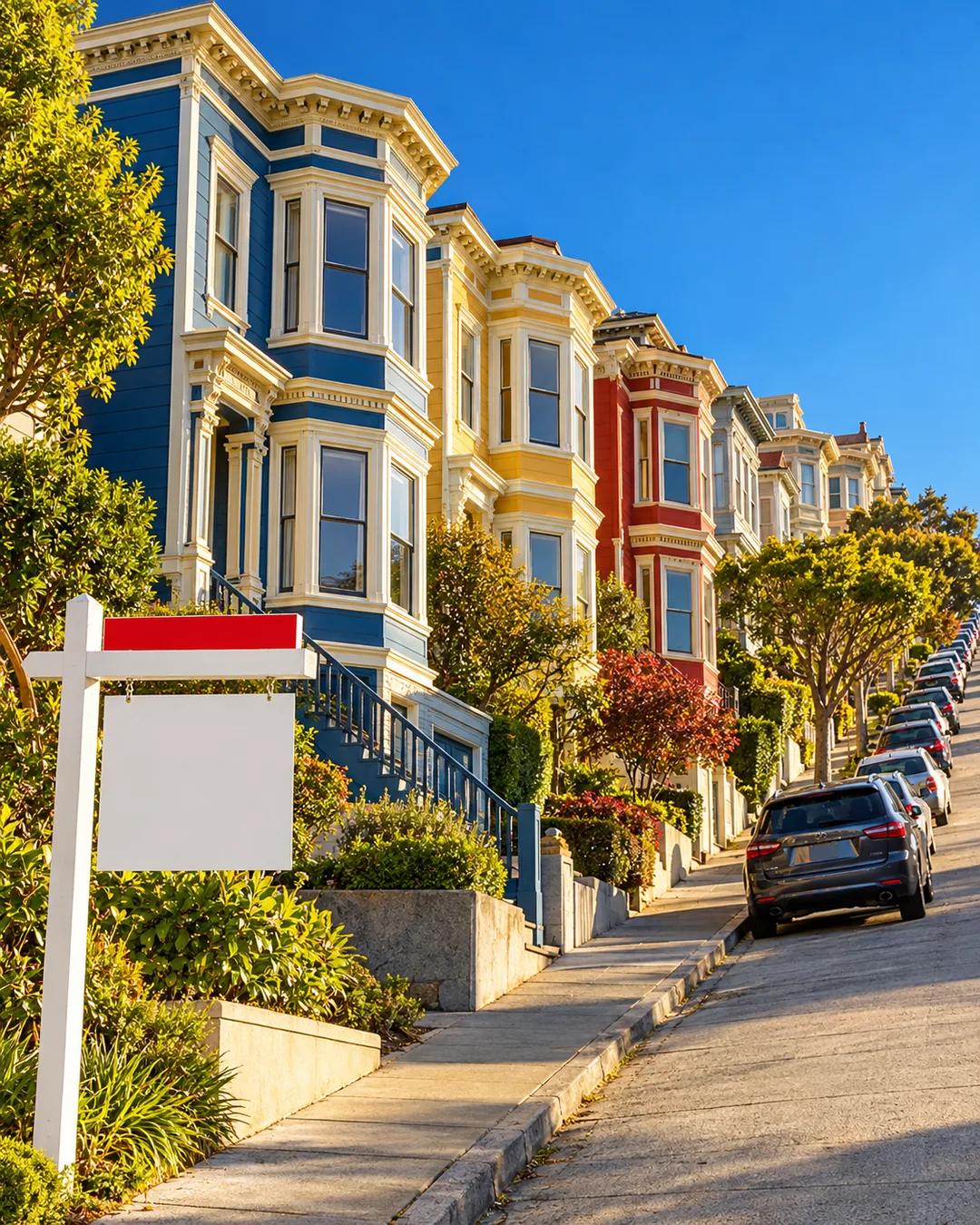
One tally added up every IPO San Francisco has ever had and found the total is only a quarter the size of the Anthropic IPO. That makes the Anthropic offering four times the wealth-generation event of all previous San Francisco IPOs combined, with an OpenAI IPO coming on its heels.
San Francisco is not a big place and has no huge inventory of houses, so homes are flying off the shelves. The doubled prices come from secondaries, the small cash-outs people have already been able to do in anticipation of these events.
Organized secondaries are a normal feature of late-stage companies. SpaceX ran them every six months for years, and Anthropic and OpenAI are within months of their IPOs.
How do secondary sales work?
In a secondary sale, existing shareholders such as employees and early investors sell shares to outside buyers, and the company issues no new stock. The company usually arranges it as a tender offer, setting a price and a window for sales. The buyers are typically investment funds. The company receives none of the proceeds, which go to the sellers.
Why can't employees sell right after an IPO?
Underwriters typically require insiders to sign lockup agreements that bar sales for a set period, commonly 180 days after the IPO. The rule keeps a flood of insider shares from reaching the market while the price is still settling. Some recent IPOs have used staggered lockups that release shares in stages tied to the stock price or earnings reports.
Why is San Francisco's housing supply so tight?
San Francisco is a city of about seven by seven miles, bounded by water on three sides, so growth has to come from denser building. Its approval process has been among the slowest in California. The state's housing element law assigned the city a target of about 82,000 new homes for 2023 through 2031.
More from All-In with Chamath, Jason, Sacks & Friedberg