Korva is a scroll of the internet’s best ideas.
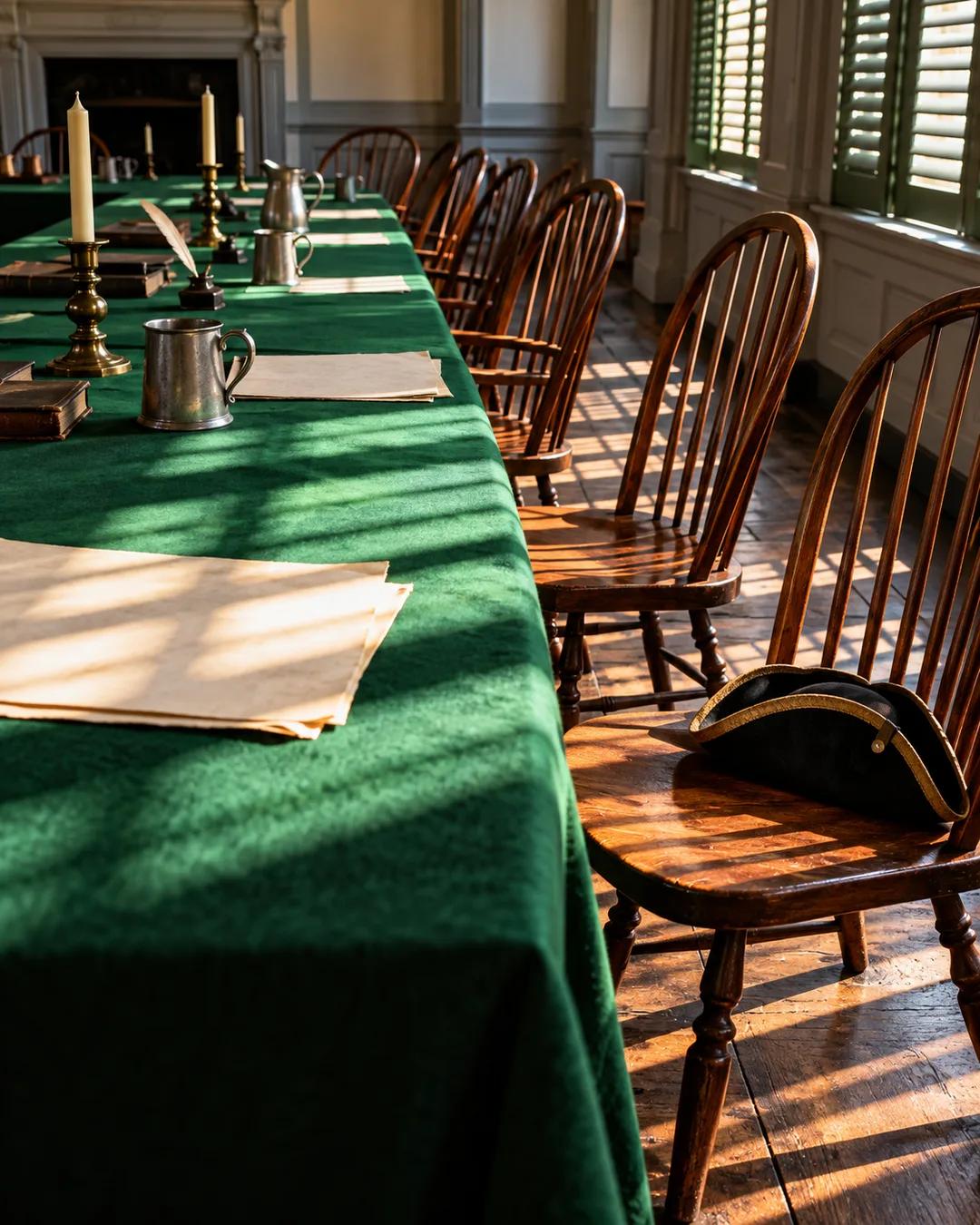
Sherman's compromise waited weeks

Sherman's proposal
The Virginia Plan wanted representation by population, and that frightened small states. Virginia had nearly 750,000 inhabitants and Pennsylvania over 400,000, and neither was going to push New Jersey around if William Paterson could help it. Sherman's way out was simple: the first branch by the number of free inhabitants, and in the second branch each state with one vote and no more. He repeated it on June 20, but the delegates were not ready to heed it.
The deadlock
The deadlock got worse. Luther Martin of Maryland gave a rambling two-day speech against proportional representation, and the delegates and future historians would wonder whether he was drunk. Benjamin Franklin suggested the convention turn to prayer. One account, written 38 years later, has Hamilton replying that he saw no necessity of calling in foreign aid. James Madison later denied it. Meanwhile New York's Robert Yates and John Lansing Jr. walked out for good on July 10, and two Maryland delegates eventually followed.
The compromise lands
On July 16, a grand committee returned to what Sherman had suggested: population for the lower house and state equality in the upper. That became the House of Representatives and two senators per state, known as the Connecticut or Sherman Compromise.
How close was the vote on the compromise?
The July 16 vote on the committee's report came out five states in favor, four against, and one divided. Massachusetts split, and the convention almost came apart over the question. Several delegates from large states, including James Madison, voted against it. The close tally shows how reluctant they were to accept equal state votes in the Senate.
How were senators chosen at first?
The Constitution gave state legislatures the job of choosing senators, which tied the Senate directly to the states. That arrangement lasted more than a century. The Seventeenth Amendment, ratified in 1913, moved the choice to popular vote. Before that, deadlocked legislatures sometimes left Senate seats empty for months.
What came of Franklin's prayer proposal?
Franklin made the proposal on June 28, 1787, after a long run of tense debate. Madison's notes record that the convention adjourned without a vote. Delegate Hugh Williamson later noted that the convention had no funds to pay a chaplain. Franklin wrote on his copy of the speech that the convention, except for three or four persons, thought prayers unnecessary.
More from History That Doesn't Suck