Korva is a scroll of the internet’s best ideas.
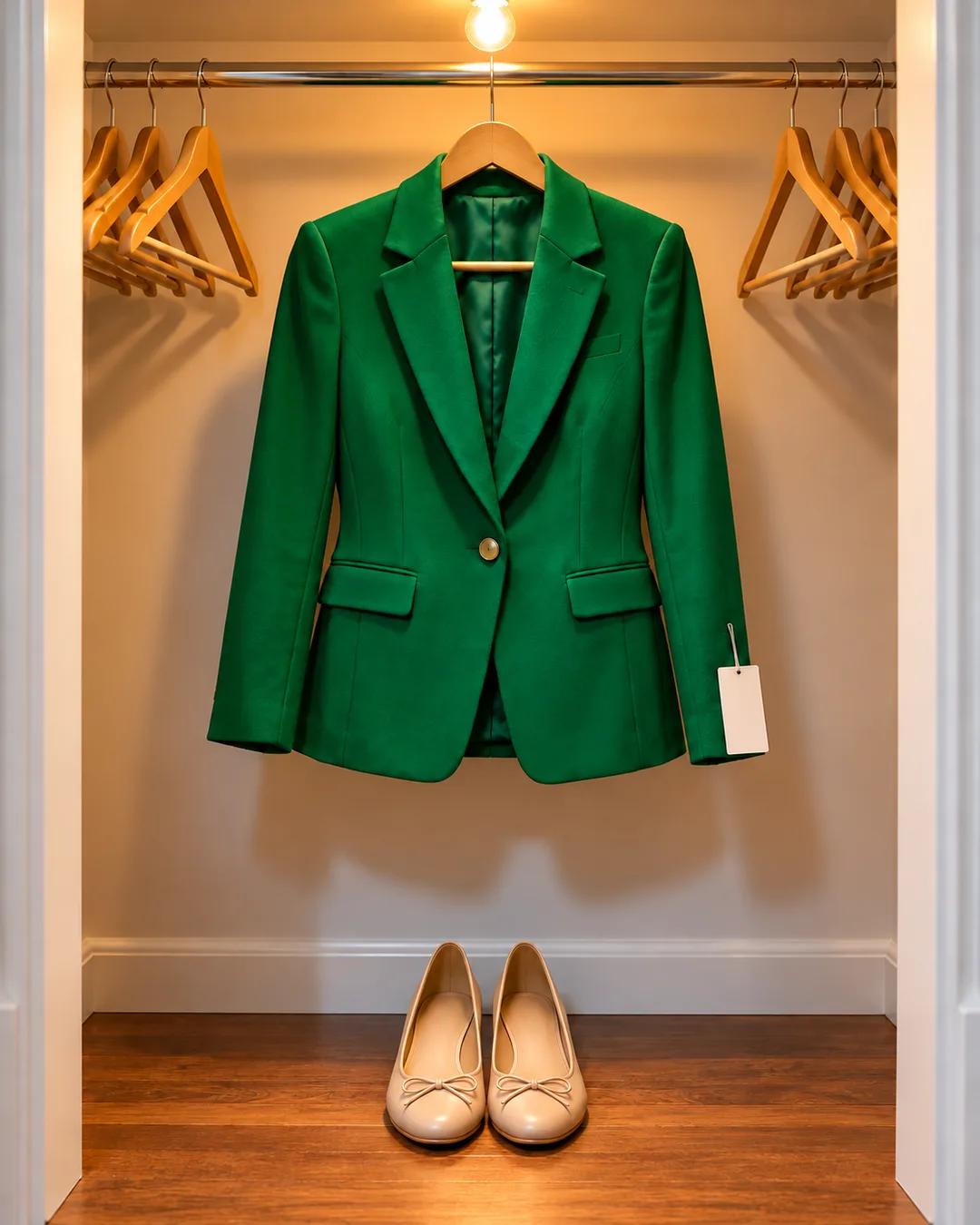
Shop with a don't-buy list
The don't-buy list
That rule holds even when a nice outfit on Pinterest includes ballet flats. Past experience already showed they don't work. Another shopper's don't-buy list has blazers on it, because they get bought and then never worn.
Finding inspiration
Before the shopping starts, inspiration does the narrowing. Notice outfits on the street or in a TV show, and look through magazines, current or vintage, and designer archives for common threads. The thread might be floaty slip dresses weighed down by heavy boots, or looks inspired by men's suiting.
Fitting the budget
Then comes finding a version that fits the budget. One route is a bunch of thrift stores for slip dresses. Another is a department store, where trying on a bunch of options leads to investing in one beautiful piece that will be worn again and again.
Why do people buy clothes they never wear?
Consumer researchers describe aspirational buying, where a person purchases for an imagined future self, such as someone with more formal occasions to dress for. A 2012 report from the UK nonprofit WRAP, called Valuing Our Clothes, estimated that roughly 30 percent of the clothing in UK wardrobes had not been worn in the previous year.
Why do slip dresses look like underwear?
The slip dress descends from the underslip that women wore beneath other dresses. French designer Madeleine Vionnet popularized the bias cut in the 1920s, cutting fabric on the diagonal so that it drapes and clings along the body. In the 1990s, designers and models turned slip dresses into outerwear, often worn with heavy boots.
How did menswear get into women's wardrobes?
Coco Chanel borrowed from menswear in the 1910s and 1920s, using jersey fabric and tailored jackets and trousers for women. Marlene Dietrich wore a man's tuxedo in the 1930 film Morocco. In 1966, Yves Saint Laurent introduced Le Smoking, a tuxedo suit for women, which became one of his best-known designs.