Korva is a scroll of the internet’s best ideas.

Silicon Valley distorts the real world
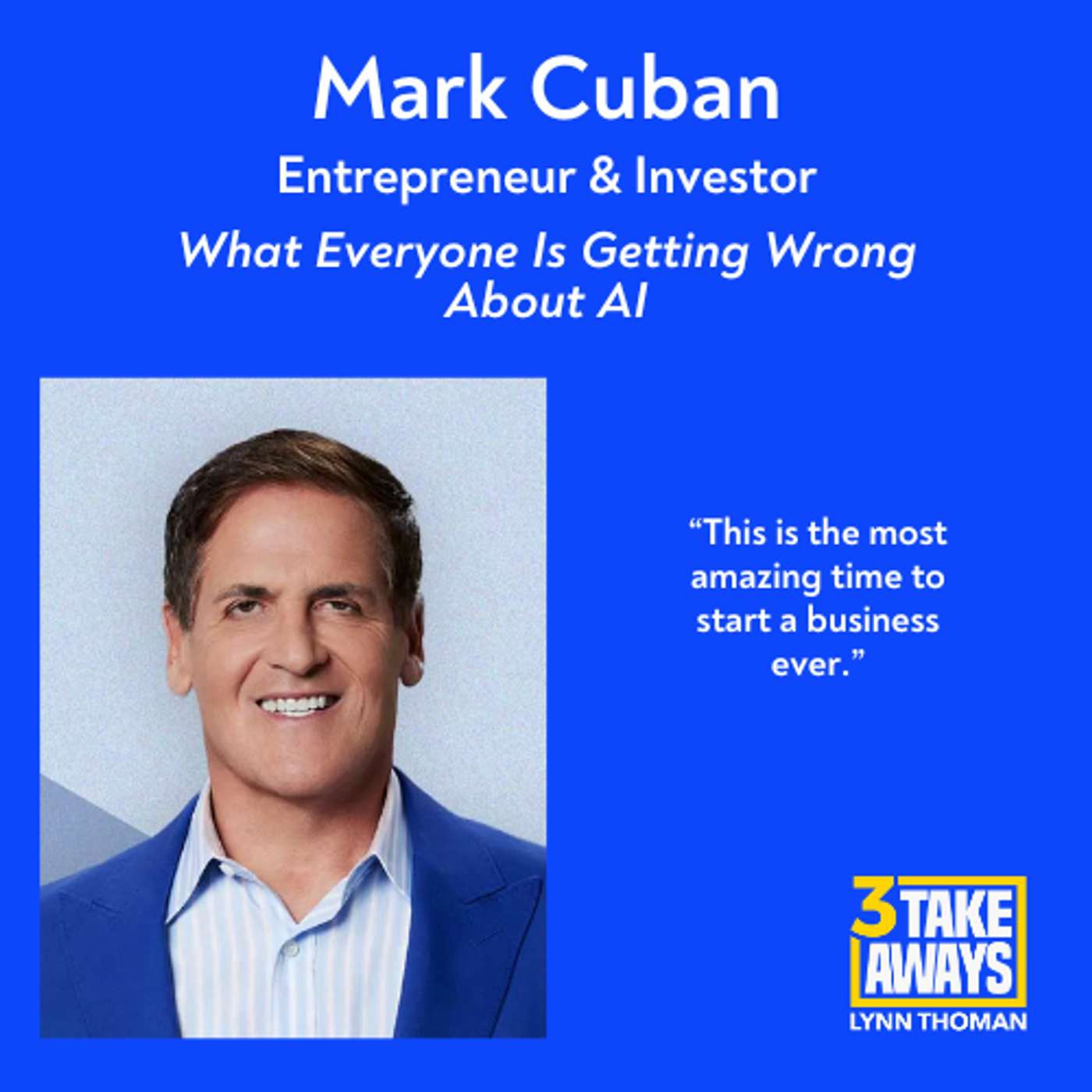
Staying Out of the Valley
Mark Cuban has intentionally never built a business in Silicon Valley and doesn't spend much time there. It is a vibrant place, probably the best one to go for a financial home run and a great outcome. The way the industry defines the area still misleads most entrepreneurs.
Businesses Run on People
However advanced the technology or technology-driven the company, a business has to deal with people. A company that sells itself, the kind selling dollar bills for 50 cents, can skip that. Everyone else has to understand humans, their intent, and what makes their lives better. A lot of people in the technology business lose sight of this.
Loving the Product
A founder who doesn't like the product or service enough to want to sell it to people is in the wrong business. Beyond that, it takes effort: always learning, always iterating, and pushing the envelope.
How did Silicon Valley get its name?
Journalist Don Hoefler popularized the name in a 1971 series of articles in the weekly newspaper Electronic News. The silicon refers to semiconductor chips made from silicon, which local companies such as Fairchild Semiconductor and Intel produced. Before the chip industry arrived, Santa Clara County was known for its orchards and was called the Valley of Heart's Delight.
Why did Silicon Valley's culture differ from Boston's?
AnnaLee Saxenian compared the two regions in her 1994 book Regional Advantage. Silicon Valley firms relied on loose networks, frequent job changes, and the swapping of ideas among competitors. Route 128 near Boston had a comparable electronics industry in the 1970s, but its firms were more self-contained and hierarchical. The two regions diverged sharply in the 1980s.
Why do venture investors cluster in one place?
Several leading venture firms opened offices along Sand Hill Road in Menlo Park in the 1970s, close to Stanford University and the region's chip companies. Investors preferred backing companies near enough to visit often, and founders came to them. The concentration let investors compare deals in person and share information about companies. Kleiner Perkins and Sequoia Capital were both founded in 1972.
More from 3 Takeaways