Korva is a scroll of the internet’s best ideas.
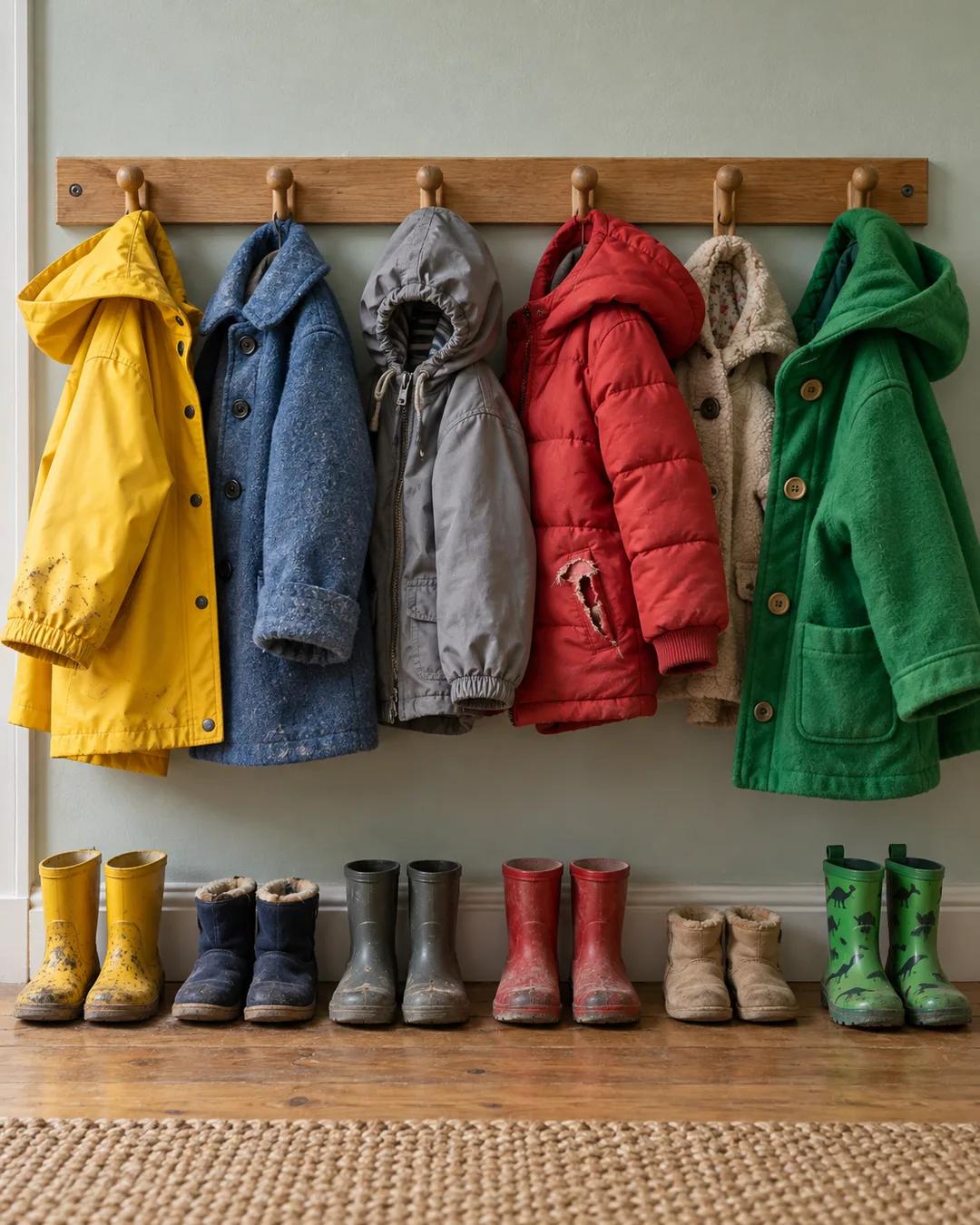

The frightened child grew up with parents who were scary, scared, or both. The melancholic child is preoccupied with loss and later struggles with separations, endings, and transitions. The ashamed child feels that they themselves are bad, while the guilty child feels they did something bad and that they are too much: too intense, too needy, or too aggressive.
The invisible child felt unknown and grows up mastering the art of disappearing, treating it as a superpower. The chosen child had a very close bond with one parent, felt responsible for that parent, and stayed loyal to a degree that makes choosing themselves impossible.
The six sit on a continuum, so a person can be very frightened and a little guilty, or the other way around. Frightened children are often guilty children as well, though guilty children are not necessarily frightened. More types surely exist. These six recur in psychoanalytic practice and cover many of the basic wounds people carry.
Why do separations shake some children so deeply?
John Bowlby built attachment theory partly on observations of young children separated from their parents. In 1952, James and Joyce Robertson filmed A Two-Year-Old Goes to Hospital, which followed a toddler named Laura through an eight-day stay without her mother. The film shows her moving from protest to despair to withdrawal. Britain's Platt Report of 1959 later recommended much more liberal hospital visiting for parents.
How did researchers sort children into attachment types?
Mary Ainsworth developed the Strange Situation procedure in the 1970s. Infants of twelve to eighteen months were observed as their mothers left the room and came back, and the way each baby reacted sorted them into secure, avoidant, or ambivalent patterns. Mary Main and Judith Solomon added a fourth pattern, disorganized, in the 1980s. It described babies whose behavior toward a returning parent seemed to lack any consistent strategy.
More from 10% Happier with Dan Harris