Korva is a scroll of the internet’s best ideas.
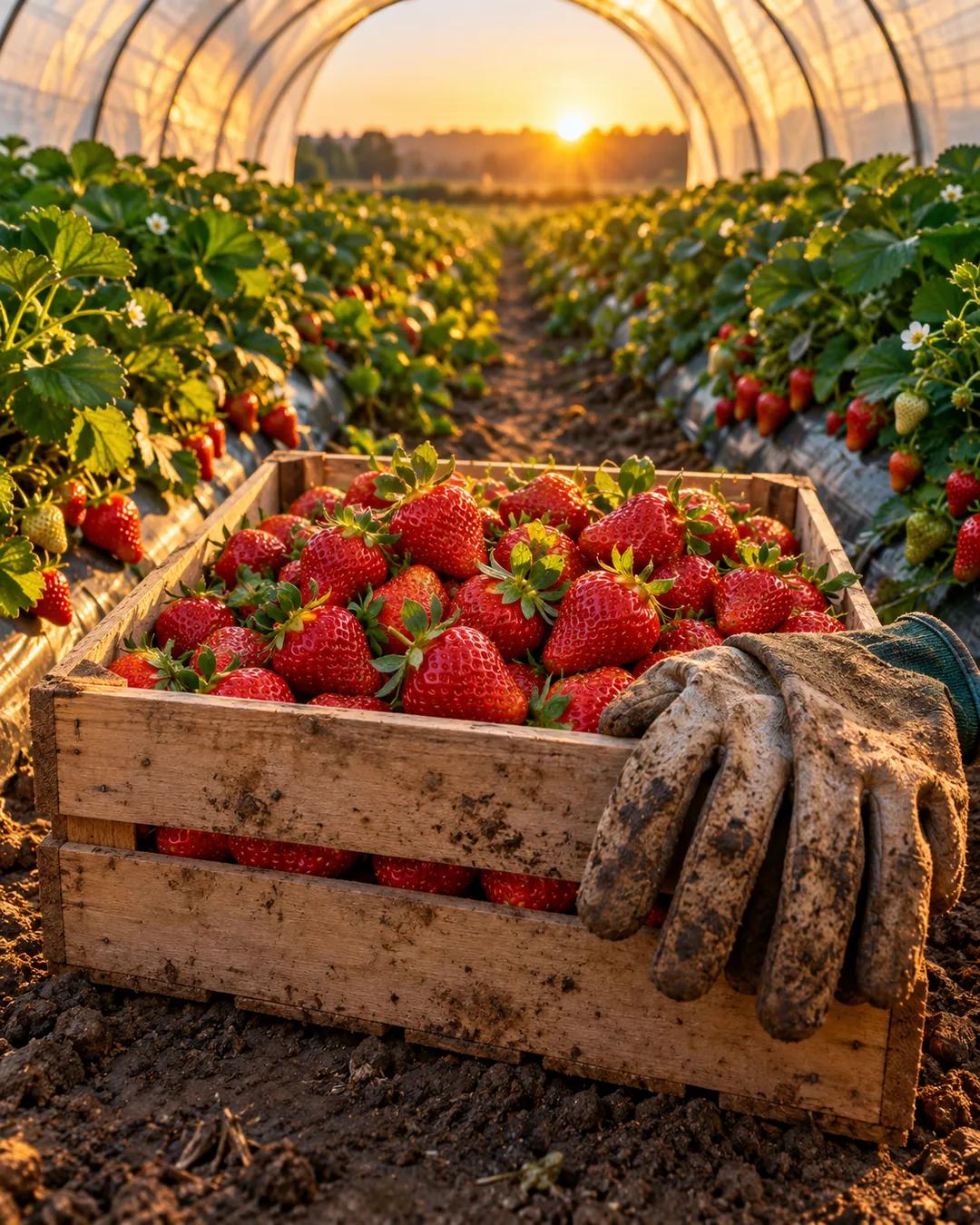
Six months on a farm, six years of pay

The Wage Gap
Picture a farmhand in Kyrgyzstan. At home, agricultural work pays about 294,744 som a year, which comes to roughly £2,518 at current exchange rates. A UK farm in the busy season pays a minimum of £15,862 for six months of hard physical work.
That leaves him with the equivalent of six years of local agricultural wages and half a year off. Flights, the visa, rent, and a little tax all come out of that, so he returns with less, but the gap stays huge. For many people from low-income economies, the opportunity cost of taking the job is low, because the next best alternative pays so much worse.
The British Side
British workers weigh the same job against a different alternative. Hospitality, agriculture, care, and construction pay relatively little, carry minimal social status, and offer few clear paths to promotion. Someone in a privileged enough socio-economic position doesn't have to take them, so employers who can't fill these jobs at the current wages and conditions fill them from abroad.
Why do wages differ so much between countries?
Economists point mainly to productivity. A worker in a rich country has more machinery, better infrastructure, and sturdier institutions around them, so each hour of work produces more output. A 2008 paper by economists Michael Clemens, Claudio Montenegro, and Lant Pritchett called the resulting gain from simply moving the "place premium." They estimated that workers from poor countries can earn several times more after moving to a rich one than comparable workers earn at home.
How do seasonal farm visas work in Britain?
The Seasonal Worker visa began as a pilot in 2019 and lets people work in horticulture for up to six months. Applicants need a job offer from a farm or labor provider approved by the Home Office. The visa does not allow workers to bring dependants. Before Brexit, most seasonal picking in Britain was done by workers from EU countries who did not need a visa.
How do wages earned abroad reshape home economies?
Money that migrant workers send home is called remittances, and for some countries it is a large part of national income. World Bank data have repeatedly placed Kyrgyzstan among the countries with the highest remittances as a share of GDP, with most of the money coming from Russia. Households use the money for food, housing, and schooling, and it can raise local demand for goods and services. In several Central Asian economies, remittances exceed what the government collects in some years from major taxes.
More from Economics Explained