Korva is a scroll of the internet’s best ideas.
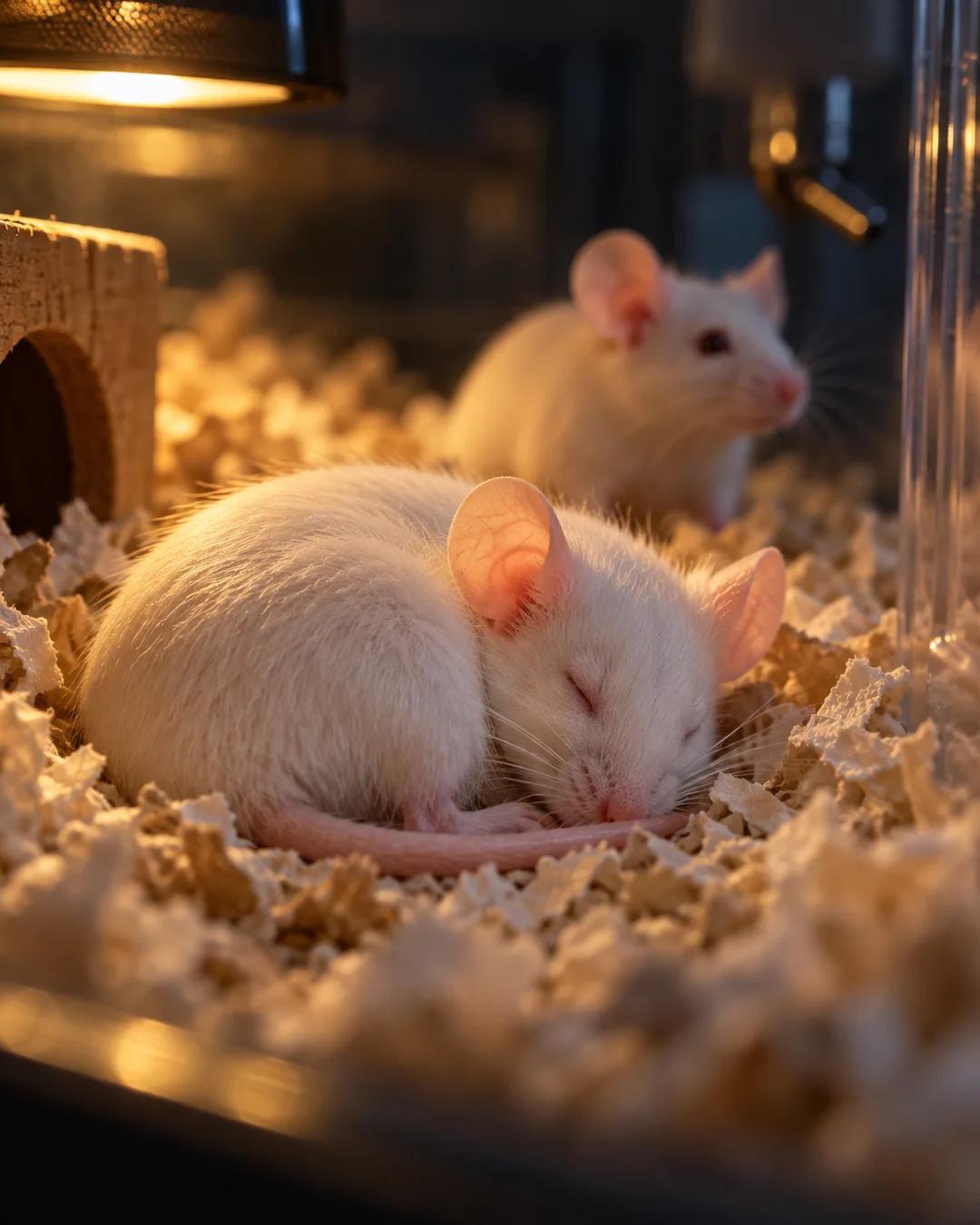
Sleep-restricted mice grew faster tumors

A scientist at the University of Chicago studied the link between sleep loss and cancer in mice. He inoculated mice with cancer cells on their backs, gave the cancer one month to grow, then resected the skin and measured the size of the tumor mass.
Half of the mice slept normally for that month. The other half had their sleep restricted, not through total deprivation, but by being handled and played with a bit more during the day and the night.
The tumor in an underslept mouse was clearly larger than in a mouse that slept normally. The cancer in the underslept mice had also metastasized, meaning it had breached its original site and invaded other areas, including bone, other organs, and brain. Mortality rates escalate when cancer becomes metastatic. In these mice, sleep loss acted as an accelerant for cancer growth.
How does cancer spread to other organs?
Cells break away from the original tumor and enter the bloodstream or the lymphatic system. Most die in transit, but a few lodge in a distant tissue and begin to divide there. This spread is called metastasis. The bone, lungs, liver, and brain are among the most common destinations.
Why do researchers test cancer in mice?
Mice breed quickly, live short lives, and can be kept under tightly controlled conditions. The Mouse Genome Sequencing Consortium reported in 2002 that about 99 percent of mouse genes have a counterpart in the human genome. That overlap makes mouse biology a useful stand-in for studying how tumors grow. Findings from mice still need to be confirmed in people.
Why do metastases make cancer deadlier?
Most cancer deaths result from metastases rather than from the original tumor. A single tumor can often be removed by surgery, but scattered deposits in several organs cannot. Tumors in vital organs such as the brain and liver interfere with the work those organs do. This is why doctors stage a cancer by how far it has spread.
More from Talks at Google