Korva is a scroll of the internet’s best ideas.
Slop pages exist because we're lazy
Why slow sources lose
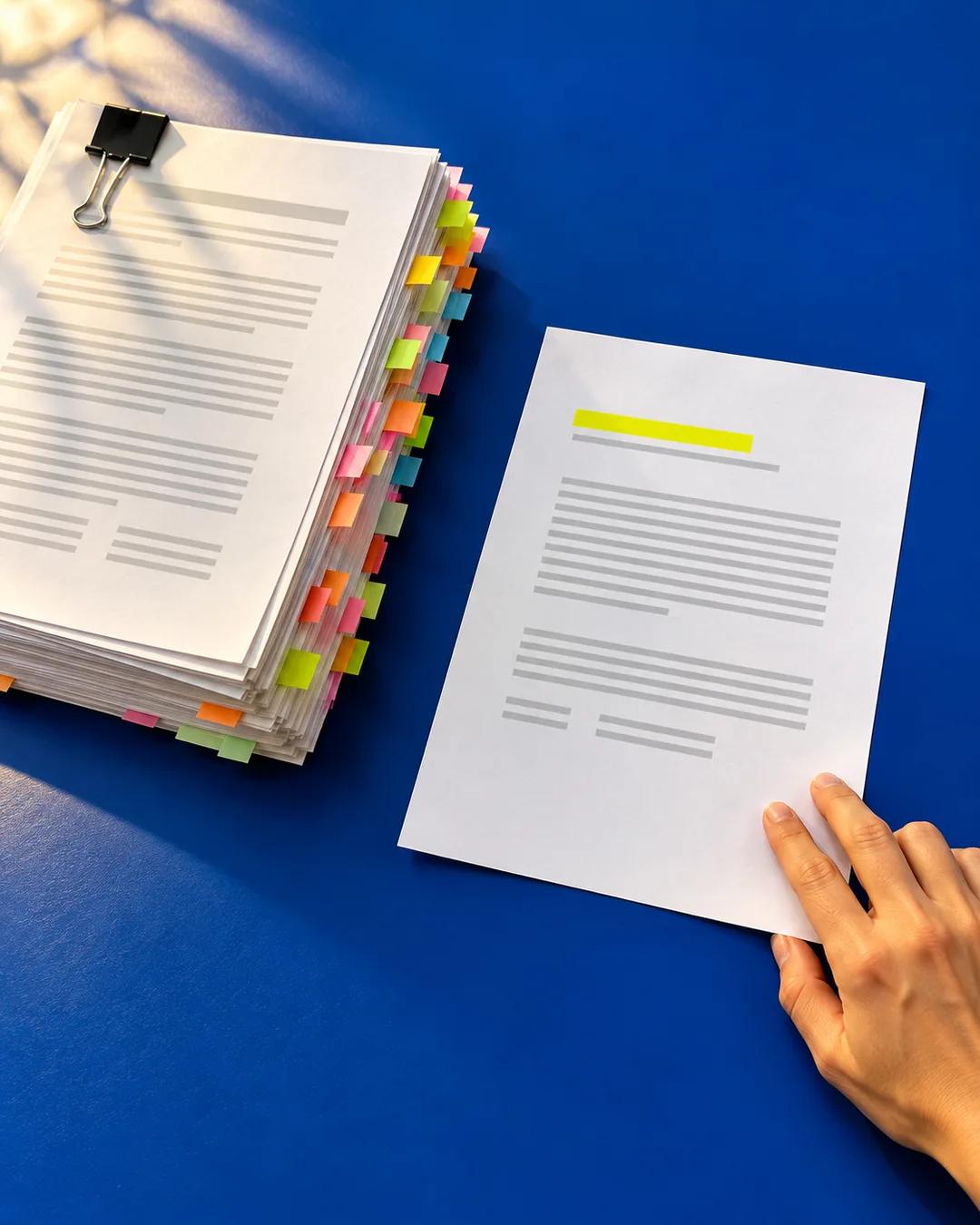
Take a public company's latest headline revenue number. The authoritative version sits in an SEC filing, perhaps on page 73 of a PDF. Picture a search engine that puts that filing first: the PDF takes three and a half seconds to load when another page loads in one, and the reader then has to hunt through the document for the figure.
Readers are lazy, and they won't do that work. So a whole class of content grew up around the gap: pages that load fast and put the needed information above the fold. Such a page is 99.99% right, and it picks out the 20 bits of information people actually need from a 300-page earnings report.
Some call these pages pre-AI human slop. They are also what successful SEO looks like when it caters to a lazy reader.
How agents sidestep it
Agents sidestep the trade-off. A search built for them pulls an excerpt from the most authoritative place on the web straight into the agent's context window, with no clicking around and no PDF to grab. Browsers and protocols never found a consistent way to point a human to the exact highlighted paragraph.
Why do slow pages lose readers?
Google and the research firm SOASTA reported in 2017 that as mobile page load time goes from one second to three seconds, the chance a visitor leaves rises by 32 percent. Every extra second of waiting gives a reader another reason to try the next result. A page that loads instantly and shows the answer immediately captures readers that a heavy document never gets. The bounce rate is one of the signals that publishers track as a measure of this loss.
How do machines read exact SEC numbers?
The SEC began requiring large companies to tag their financial statements in XBRL in 2009, with smaller companies phased in over the next two years. Each figure, such as revenue, gets a standardized label that software can read directly. Inline XBRL, which embeds those tags inside the readable filing itself, became required in phases starting in 2019. The filings sit in the SEC's public EDGAR database.
Why does the top of a page matter so much?
The phrase above the fold comes from newspapers, where only the top half of a folded front page showed on a newsstand. Web designers carried it over to mean whatever appears before a reader scrolls. A 2018 eye-tracking study by the Nielsen Norman Group found that people spent about 57 percent of their viewing time above the fold. Scrolling takes effort, so content placed below it gets far less attention.
More from Training Data