Korva is a scroll of the internet’s best ideas.
Responsibility per person
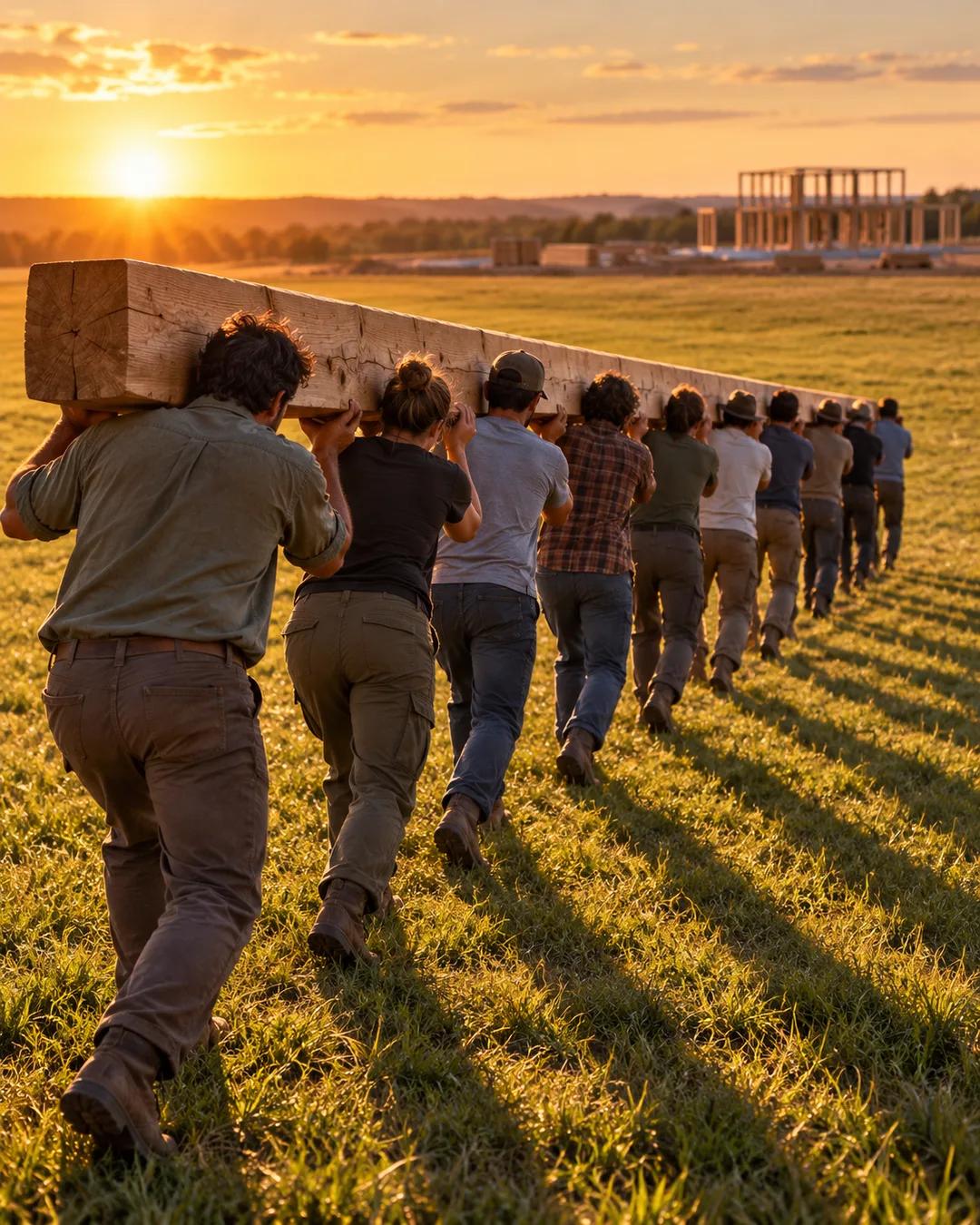
Motivation at Bending Spoons comes from impact. The company wants people who get excited when their work matters, such as when they improve a product for a customer or improve monetization for the business. Two factors drive the feeling of ownership most. The first is how much responsibility each person holds. A business is a fixed set of responsibilities, so shrinking the team that runs it raises each person's share.
Talent density
The second is talent density. Most people are competitive and do not want to let others down, so when everyone around them is very good, they want to be at least as good. Smaller teams managing the same product, business, or tooling automatically raise both average responsibility and talent density, and both feed a sense of ownership and a desire to make an impact.
What AI changes
AI pushes in the same direction. When each person can do more, absorbing the same number of companies takes fewer amazing people capable of extreme ownership, and the same people can take on more acquisitions in parallel or larger ones. Smaller teams make the work easier to own, not harder.
Why does effort drop in bigger groups?
In a 1979 experiment, the psychologists Bibb Latane, Kipling Williams, and Stephen Harkins asked people to shout and clap as loudly as they could. Participants produced less noise per person when they believed others were also shouting. The effect, called social loafing, grew with group size. The paper was titled Many Hands Make Light Work.
How do talented peers raise performance?
Economist Bruce Sacerdote studied Dartmouth students who were assigned roommates at random. His 2001 paper found that a student's grades were influenced by the grades of the roommate they were paired with. Random assignment is what let him separate the effect of peers from the effect of students choosing their friends.
What is the two-pizza team rule?
Amazon popularized the two-pizza team rule, under which a team should be small enough to be fed by two pizzas. The reasoning is that every added person adds communication links and dilutes each member's share of the work. Small teams also make it easier to see who is responsible for what. The rule is usually attributed to Amazon's founder, Jeff Bezos.
More from Joys of Compounding