Korva is a scroll of the internet’s best ideas.

The Night Experiments
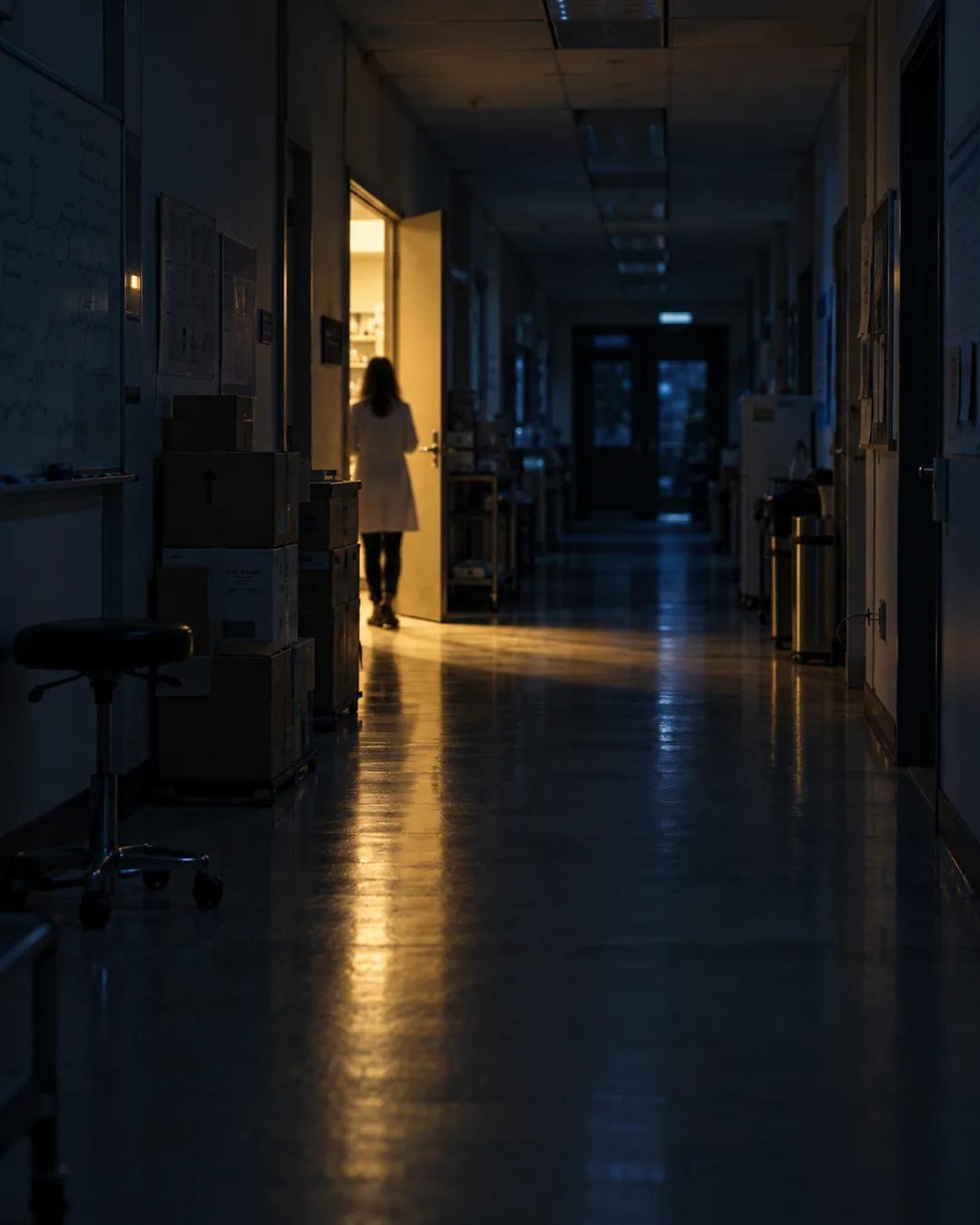
Andrew Huberman had joined a laboratory doing excellent work on the cutting edge of molecular genetic techniques for looking at neurons, which was all the rage at the time. But he was obsessed with what he had done in his second rotation, in a field that was pretty crowded, and he found himself sneaking into that lab at night to do experiments.
The Invitation
Barbara Chapman, who ran that lab, came to him one day. Her lab was already successful, so she told him she was fine with the fact that he had not joined. What would determine his success, she told him, was how badly he wanted to know the answers to the questions he was working on.
How It Turned Out
He left the first lab and joined hers, trusting that her invitation carried no sense of rejection, and it did not. He published eight first-author papers there. By the time he finished his PhD, the field had rotated too, and his skills were the ones best suited to what mattered next.
Why do PhD students rotate through labs?
Many American doctoral programs have first-year students spend roughly ten weeks in each of several labs before they choose one. The rotations let students see how a lab really runs, from the daily work to the mentor's style. The advisor becomes the person who shapes the next five or six years of training. Students typically commit to a lab at the end of the first year.
Why do research fields change so quickly?
New tools often open questions that were impossible to ask before, and methods spread quickly once one lab proves they work. The invention of the patch-clamp technique in the late 1970s, which won Erwin Neher and Bert Sakmann the 1991 Nobel Prize, made it possible to record single ion channels. Optogenetics and large-scale genetic labeling did something similar for neuroscience in the 2000s. Each wave moved labs and funding toward the new approach.
More from Invest Like the Best with Patrick O'Shaughnessy