Korva is a scroll of the internet’s best ideas.
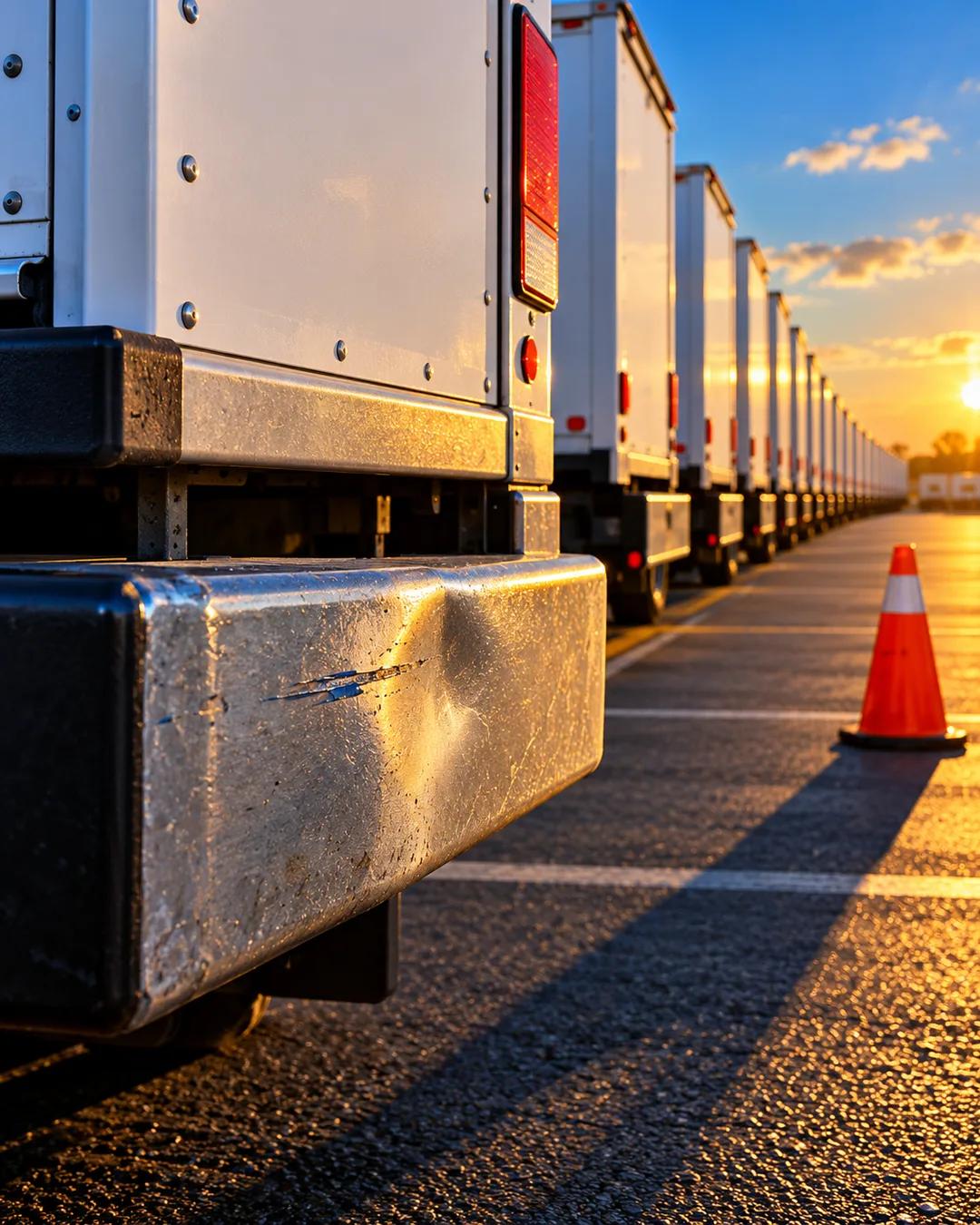
Social inflation means giant verdicts

Picture a fender bender in which someone hurts their neck and misses no more than two weeks of work, and a jury awards them $20 million. Juries have been more sympathetic to consumers than to big companies, and verdicts are getting enormous. Insuring a fleet of trucks makes the exposure plain.
New risks add to it. Cyber is a whole new kind of insurance that carriers are working out how to price. Crime in schools and tragedies in office buildings also raise prices for the people insured against them.
Premiums growing faster than inflation raises broker revenue along with them, since brokers take a percentage.
Why do juries award such huge sums?
Damages for pain and suffering have no fixed formula, so jurors weigh them by judgment. Psychologists Amos Tversky and Daniel Kahneman showed in 1974 that estimates are pulled toward any number put in front of people, an effect called anchoring. In many courts, lawyers can suggest figures to a jury, and those figures can shape the award. Industry reports often define a nuclear verdict as one above 10 million dollars.
How is social inflation different from inflation?
General inflation tracks rising prices across the economy. Social inflation describes insurance claims costs rising faster than that, driven by litigation trends and shifting attitudes toward large companies. Swiss Re's research institute has used the term for this gap in its industry reports.
Why are trucking fleets so exposed?
A loaded truck weighs many times what a car does, so crashes tend to cause severe injuries. Severe injuries produce large medical bills and large damage claims. A fleet multiplies that exposure across many trucks and drivers. Federal rules have long required interstate for-hire carriers to hold minimum liability coverage.
More from Business Breakdowns