Korva is a scroll of the internet’s best ideas.
Software engineering moved up a level

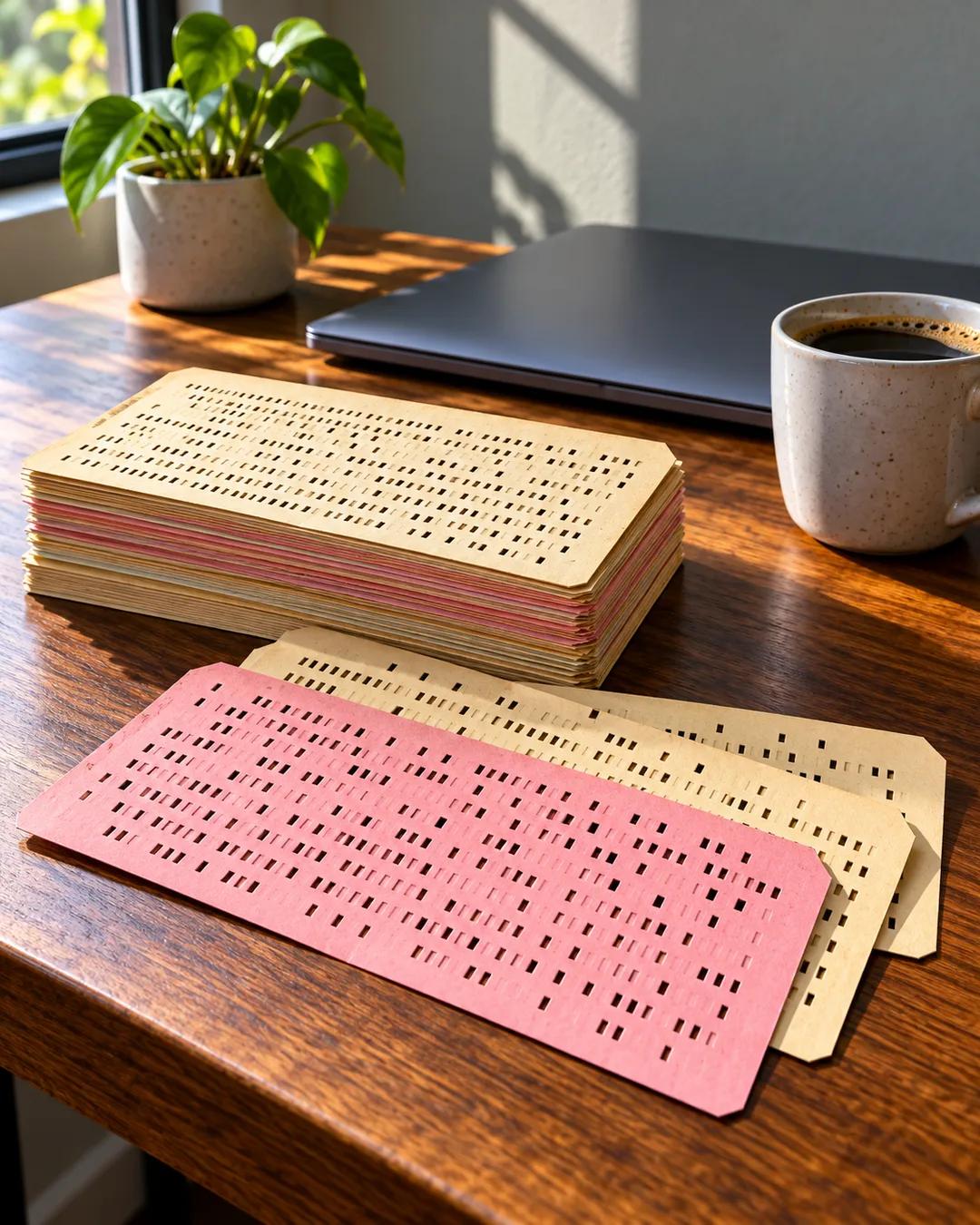
The expectations of a software engineer, and how much one gets done, changed quite a lot. Engineers no longer write code in the traditional sense, yet the work is very recognizably software engineering. Whether that is the same job at a higher level or a phase shift is something people will argue about, the way they could about the end of punching holes in cards.
Getting a computer to do what you want is still an important job. The same is likely true for researchers: the current workflow of a researcher will very much be automated, but there will be new things in the spirit of research, the way there are new things in the spirit of software engineering, and they will still matter.
How did programmers stop writing machine code?
Early programmers entered machine instructions directly, then moved to assembly language. In 1952 Grace Hopper built the A-0 compiler, which translated symbolic instructions into machine code. IBM's FORTRAN, led by John Backus and released in 1957, let scientists write formulas that looked like algebra. Many programmers at the time doubted that compiled code could run as fast as handwritten code, and the FORTRAN team worked hard on its efficiency to answer that.
Why do jobs survive automation of their tasks?
Economist James Bessen found that US bank teller employment rose modestly from 1980 to 2010 even as ATMs spread. Each branch needed fewer tellers, which lowered the cost of running one, and banks opened more branches. The tellers' work shifted from counting cash toward selling and relationship tasks. Bessen has used the case to show that demand effects can offset the automation of individual tasks.
Why did punched cards give way to terminals?
Through the 1960s programmers punched code onto cards and handed decks to operators, then waited hours for printed results. Time-sharing systems such as MIT's CTSS, demonstrated in 1961, let many users type commands at terminals and get replies in seconds. By the 1970s terminals and interactive editors had largely replaced card decks. The Unix operating system, begun at Bell Labs in 1969, was built around terminals.
More from Invest Like the Best with Patrick O'Shaughnessy