Korva is a scroll of the internet’s best ideas.
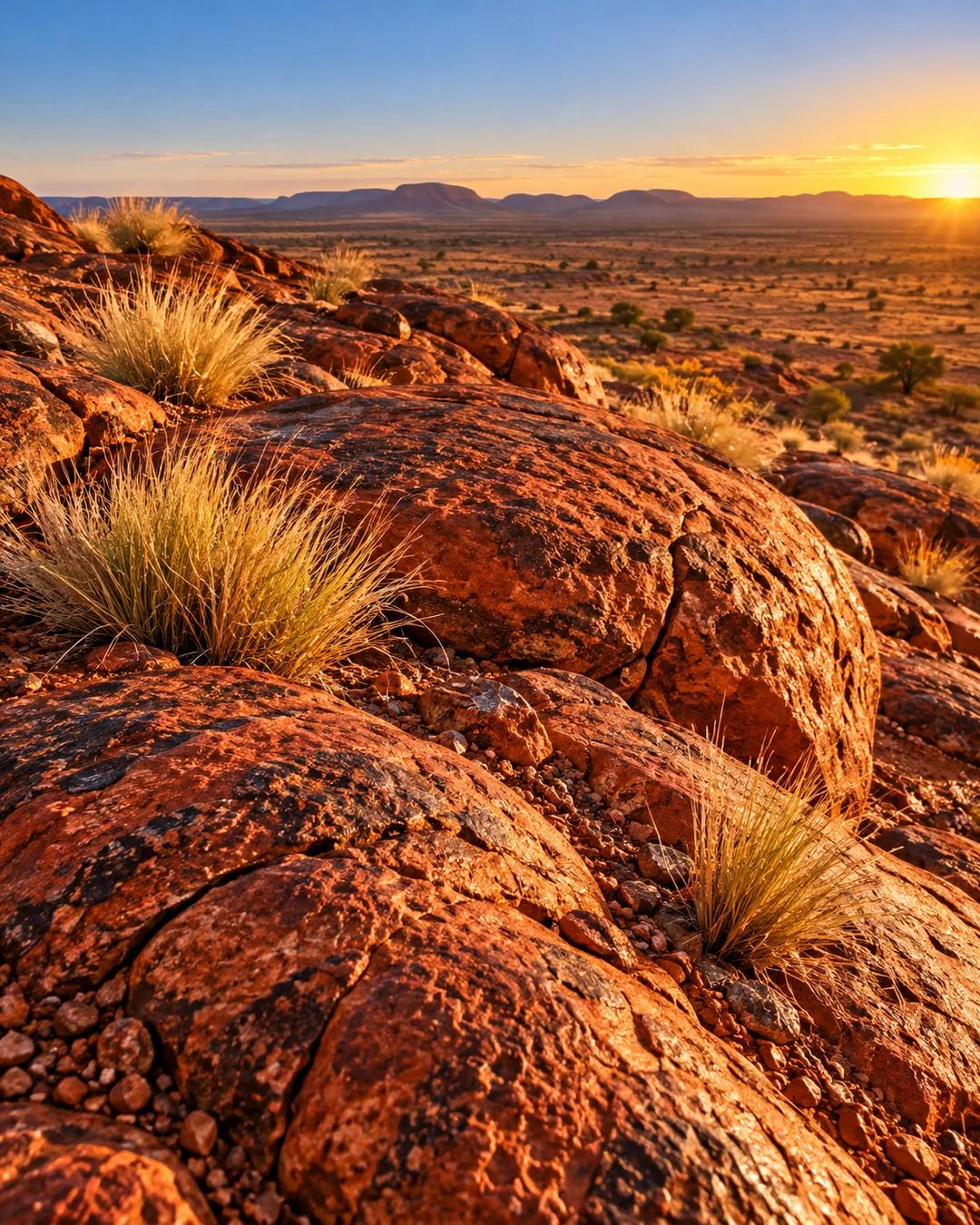
Soil weathered 250 million years

The region covers nearly half of the continent. No new mountain building has happened there since the Precambrian era, and no glacial activity has touched it since the Carboniferous ended nearly 300 million years ago.
That left the soils under continuous weathering and erosion for that entire span. The soil nearly everywhere in Northern Australia is very poor for agriculture.
The one exception is the area of the river basin that drains into Lake Eyre, which is a small part of the North, and the rainfall available there for irrigation is still very low. Only about 6% of Australia's land overall is arable and suitable for agriculture.
Why does very old soil lose its fertility?
Rain slowly leaches soluble nutrients such as phosphorus and potassium out of the soil, and weathering breaks down the minerals that could release more. Younger landscapes get fresh supplies from glaciers grinding rock into mineral dust, from volcanic ash, and from rising mountains that expose new rock. Northern Australia has had none of those for hundreds of millions of years. Phosphorus is typically the scarcest nutrient in highly weathered soils.
How do Australian plants cope with poor soil?
Banksias, hakeas, and other members of the protea family grow dense clusters of fine roots that release acids and chemicals into the soil. Those compounds free up phosphorus that would otherwise stay locked to soil particles. Many native Australian plants evolved on low-phosphorus ground and can be damaged by phosphorus fertilizers.
More from RealLifeLore