Korva is a scroll of the internet’s best ideas.

Solved problems get forgotten
Earlier barriers fell short
Earlier barriers had only partly solved the problem. Eliminating screwworm in Florida did nothing for livestock in the Southwest. The 400-mile barrier along the US border needed hundreds of millions of flies dropped continuously and was frequently breached, and the Tehuantepec barrier left much of Mexico exposed and was expensive to maintain. The barrier at Panama worked amazingly well by comparison.
Facilities shut down
Because it worked, the other screwworm facilities were shut down, and the Tuxtla factory closed in 2012 over the protests of COPEG. Panama's production gradually fell to the level the barrier needed and not much else. In the Darien Gap, dense rainforest was replaced with grassland for cattle, run by ranchers who were not paying close attention to their herds.
Inspections lapse
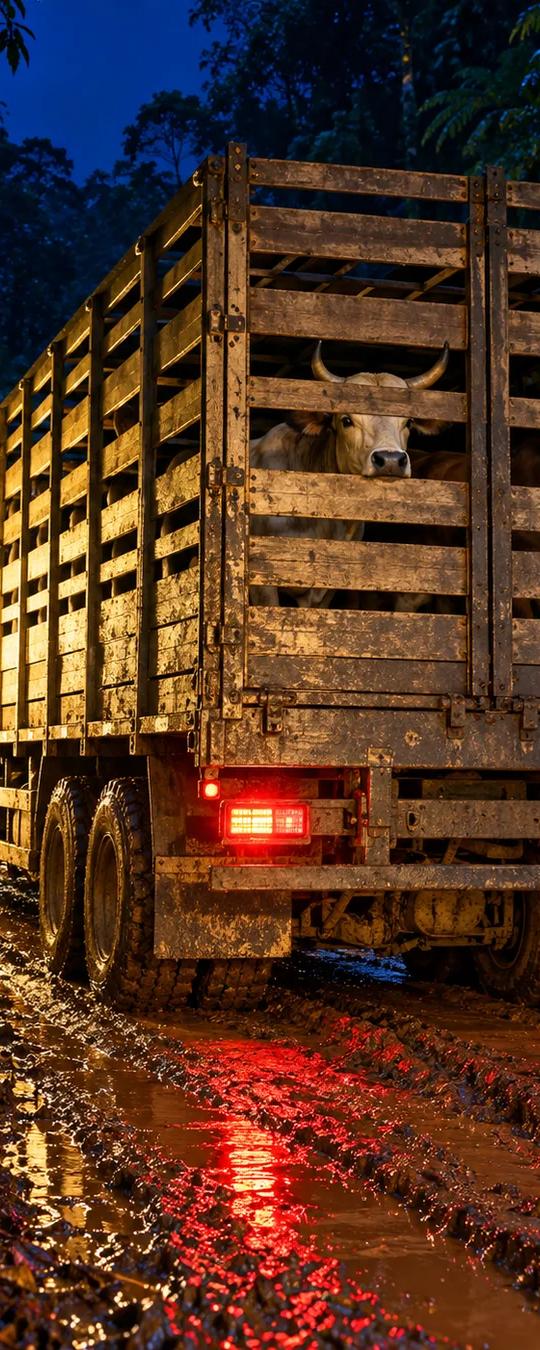
Cattle inspection lapsed too. In Panama, ranchers, veterinarians, and trade organizations became less diligent about inspecting cattle before shipping them, and the same thing happened in every country all the way to Mexico. When screwworms breached the barrier, responses were sometimes delayed by political disputes: Mexico apparently made it very difficult for USDA screwworm flights to operate until the US Agriculture Secretary called to force the issue.
Why do successful prevention programs lose support?
When a program works, the harm it prevents never shows up in news reports or budgets, so the cost is the only visible number. Preventive programs also have no natural constituency, because their beneficiaries never notice the disaster that did not happen. Public health officials see the same pattern with vaccination programs, and engineers see it with flood defenses.
Why was Panama chosen for the barrier?
Panama is a narrow isthmus, so a barrier there covers a small area compared with one farther north. South America lies beyond it, and screwworm is native to that continent. The Darien region at the Colombian border is mostly rainforest, which made it a natural place to stop northward spread.
How does moving cattle spread a parasite so far?
Livestock movement is one of the main ways animal pests and diseases reach new regions. A wound on a shipped animal can carry eggs or larvae hundreds of miles in a day. Mature larvae drop to the ground to pupate wherever the animal happens to be, so one infested animal can start a new infestation far from the original source.
More from Brian Potter