Korva is a scroll of the internet’s best ideas.
Some hardship beats none

What the data showed
Mark Seery, a psychologist at the University at Buffalo, worked with a data set of about 2,000 people who checked off which of 37 major negative life events had happened to them, from serious illness or injury to a loved one and combat exposure to divorce and a death in the family. The same people reported their life satisfaction and their symptoms of depression and anxiety. Those with the most adversity were worst off across the board. The surprise sat at the other end: people with no adversity at all did worse than people with some.
The fitness analogy
The best analogy is physical fitness. Someone who never works out never puts the body through a physical stressor and has no chance to build fitness, and a stress response appears to get trained the same way. The benefit has a ceiling, with a sweet spot around four awful events.
The ice water test
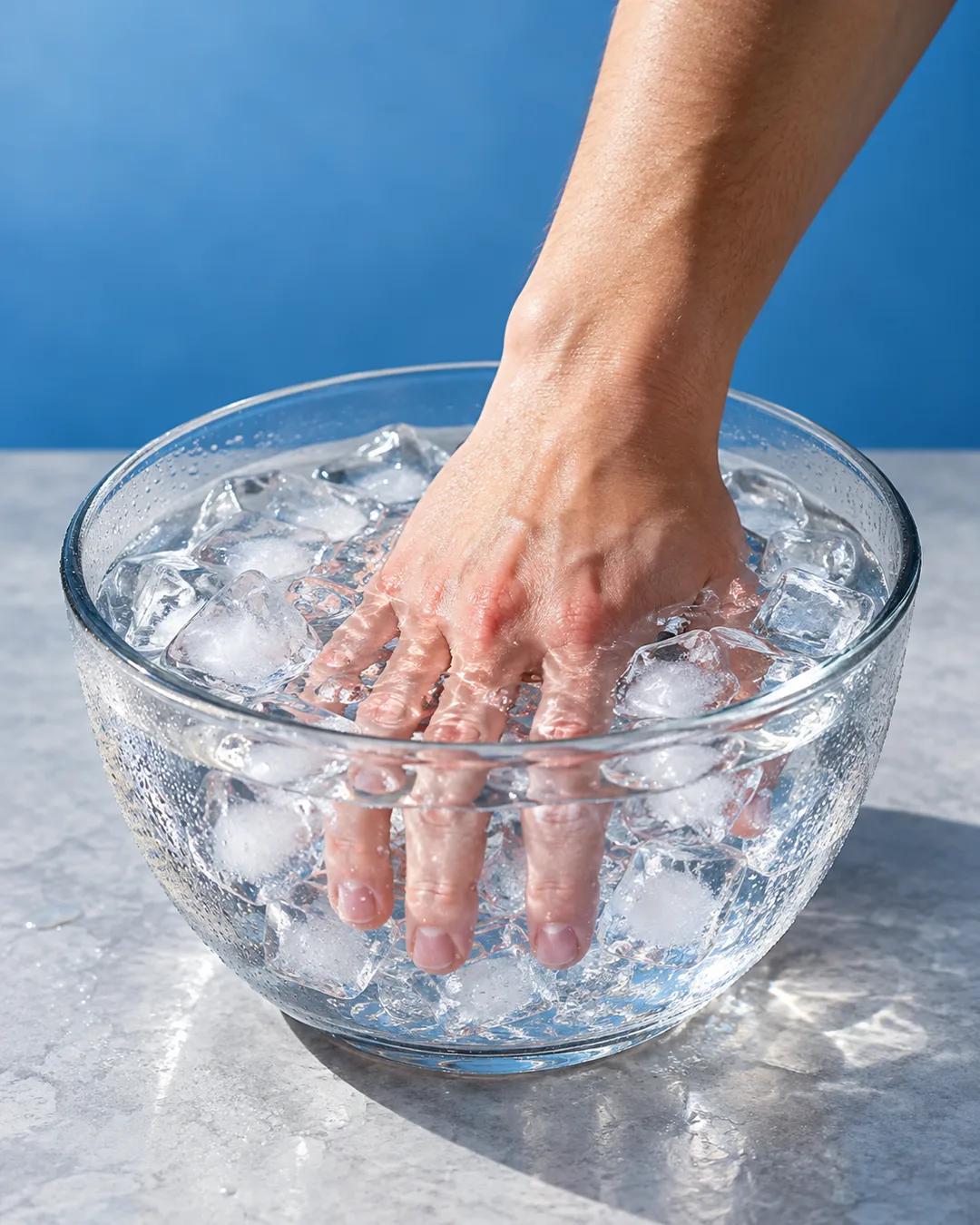
A separate lab experiment tested it. Participants put a hand in ice cold water for as long as they could stand, then rated the pain and reported how much they catastrophized, thinking things like it would never end. People with some adversity in their past felt less physical pain and catastrophized less than people who had been through nothing, and animal experiments point the same direction.
Why might some hardship build resilience?
Psychologists often call the idea stress inoculation: a manageable challenge lets the stress system practice and adjust. Some of the earliest evidence came from animal work by psychologist Seymour Levine in the 1950s and 1960s. He found that rat pups briefly handled by researchers, a mild stressor, grew into adults with calmer stress hormone responses than pups left alone. The pattern has been replicated across species in the decades since.
Why use ice water to study pain?
The ice water test, known as the cold pressor test, was introduced in the 1930s to study blood pressure responses. It produces real, steadily rising pain without damaging tissue, so researchers can run it on large groups. Because everyone can stop whenever they choose, it also measures how long a person tolerates the pain. Labs have used it ever since as a standard way to compare pain responses between groups.
More from Science Vs