Korva is a scroll of the internet’s best ideas.
Spin-offs can strengthen the original

Disney found that outlets beyond the movies did not cannibalize the core IP. A daily Mickey comic strip cannot oversaturate Mickey the way a new Mickey film every day would, and the additional exposure reinforces the films.
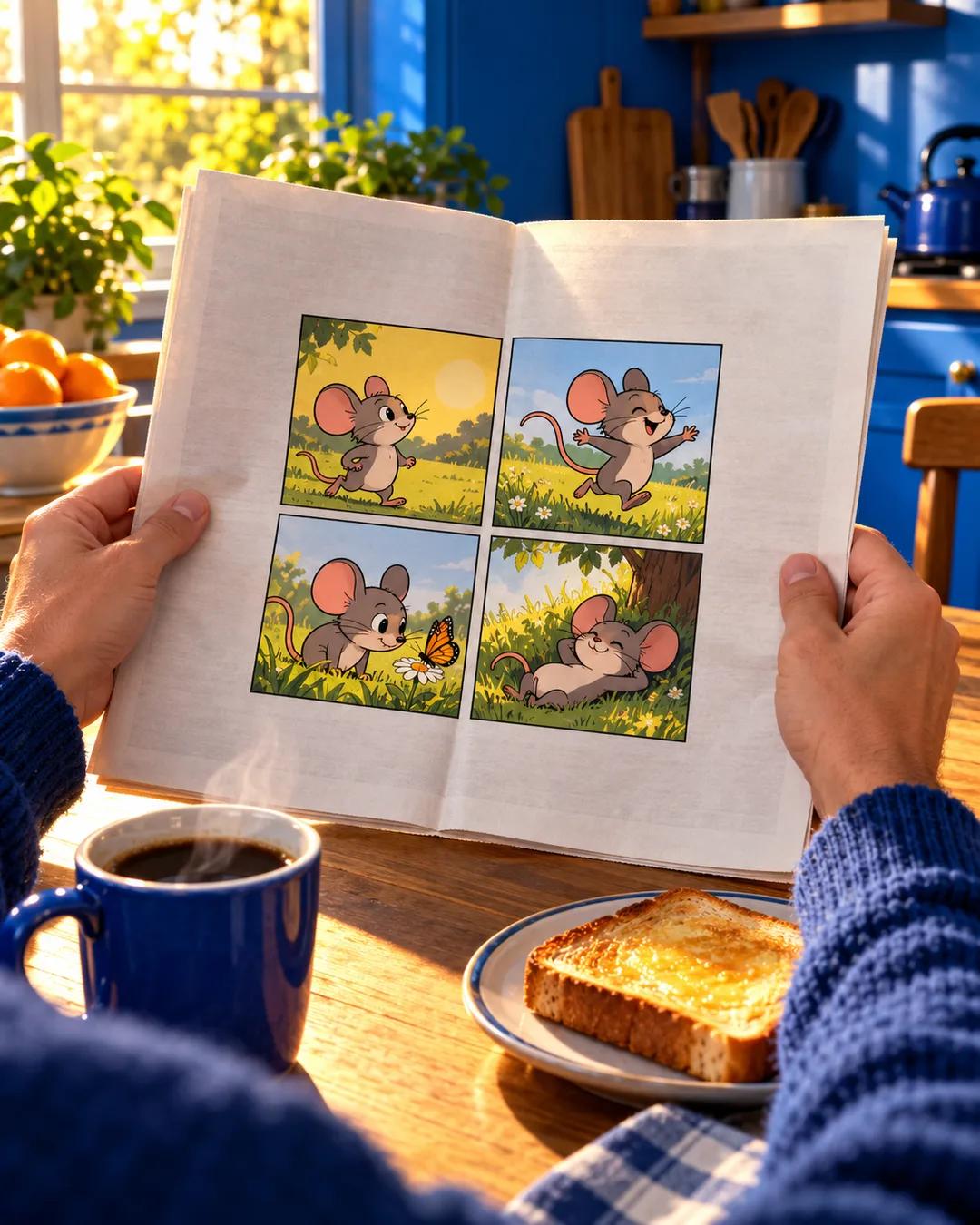
In January 1930, Disney launched a daily Mickey comic strip with King Features Syndicate. It ran in 60 US newspapers and in 20 other countries, and it cost Disney only the salary of one animator, 24-year-old Floyd Gottfredson, who drew it daily for 45 years. It never became a big revenue driver, but it gave Disney free daily marketing in most major newspapers.
A comic strip works because people are used to consuming a daily bit of content, and they do not expect a masterpiece each time. That leaves the primary medium free to hold a high quality bar. Studios that release sequels of their core IP at an ever-increasing cadence see audiences tire of it. Noncanon Star Wars books do not detract from the canon, and they deepen fandom.
Why were newspaper comics so powerful?
Syndication let one strip run in hundreds of newspapers at once. King Features distributed comics worldwide. Daily strips reached readers who might never visit a theater. Gottfredson drew the Mickey strip from 1930 until 1975.
What is noncanon Star Wars fiction?
In 2014 Lucasfilm reclassified the earlier Expanded Universe books and comics as Legends, outside the main continuity. New stories were written to match the films. The Legends material remains in print. It gave fans decades of extra stories that did not change the official timeline.
More from Acquired