Korva is a scroll of the internet’s best ideas.

Spinach's iron myth began with a decimal

Popeye eats spinach for that reason. The error came from a single source, and it propagated until it became something everyone knew.
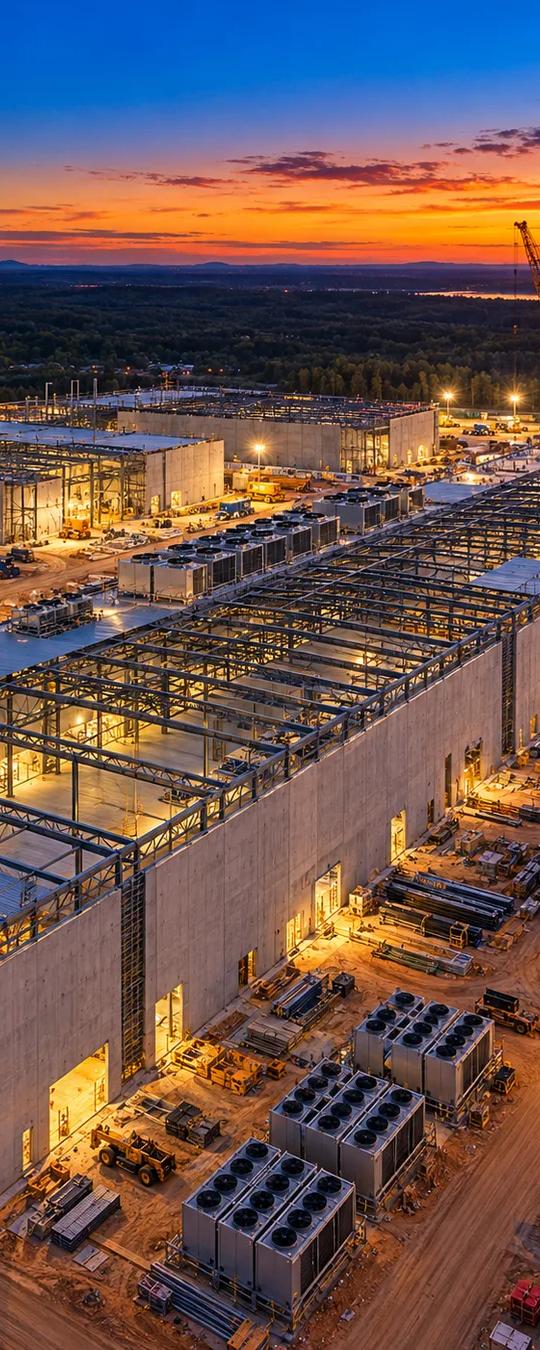
Data centers have a version of the same thing. An author made a mistake in a book and overestimated the water data centers use by 10,000 times. That is not one order of magnitude off, or two, or three. She has admitted the mistake many times, and it has been thoroughly debunked, while many ordinary Americans still believe data centers will take all their water.
A lie can go around the world faster than the truth gets out of bed. One idea for countering it is a foundation or political action committee that runs ads during the Final Four, NFL games, college football games, and the World Series, laying out what a data center does for the community around it.
How did Popeye become tied to spinach?
Popeye first appeared in 1929 in E. C. Segar's comic strip Thimble Theatre. His strength came from eating spinach, and the strip and the cartoons that followed repeated the link for decades. Crystal City, Texas, a spinach-growing town, put up a statue of Popeye in 1937. A vivid character made the iron claim easy to remember and easy to repeat.
Why do false claims spread faster than true ones?
A 2018 study in Science by Soroush Vosoughi, Deb Roy, and Sinan Aral analyzed about 126,000 stories shared on Twitter. False news stories were about 70 percent more likely to be retweeted than true ones. They also reached 1,500 people roughly six times faster. The researchers found that people, not automated accounts, drove the difference, and false stories tended to be rated as more novel.
More from Invest Like the Best with Patrick O'Shaughnessy