Korva is a scroll of the internet’s best ideas.
Start with the simple application

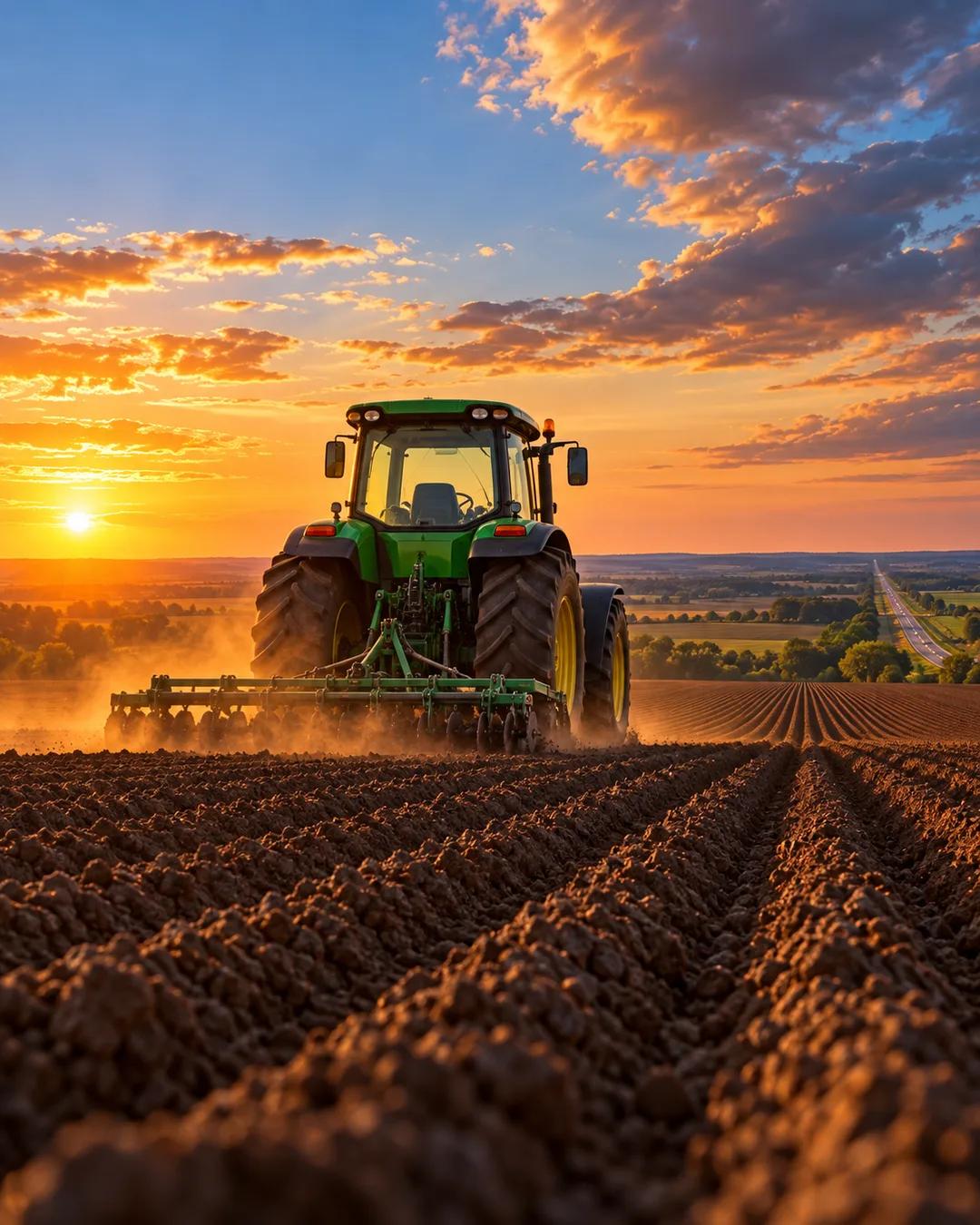
A driverless car on the California freeway is a very complicated application. It brings legal issues, and the technology needs to be pretty sophisticated, with many other things having to change before it can develop. John Deere has driverless tractors going up and down farm fields, where the application is very simple.
Competing against non-consumption starts with very simple applications and extends little by little from there. Artificial intelligence may make people better thinkers at lower cost, but its applications are quite complicated, and a lot of other things have to happen first. It could be a big thing, though going after simple applications typically forces a company to hire more people.
Why is a freeway harder than a farm field?
A freeway has other drivers, merging traffic, construction zones, and sudden hazards that a vehicle must handle at high speed. A farm field has a known boundary, no oncoming traffic, and a predictable path. The Society of Automotive Engineers defines six levels of driving automation, from none to full, in its J3016 standard. Higher levels require a system that handles rare events without a human behind the wheel.
How do tractors steer themselves?
Farm tractors use GPS receivers, often with correction signals, to follow precise lines across a field. Commercial auto-steer systems for tractors appeared in the early 2000s. With correction, positions can be accurate to within a couple of centimeters. The system keeps rows straight and avoids overlap.
Why do simple applications come first?
A narrow setting has fewer unexpected events, so engineers can test a technology there and fix problems cheaply. Early customers also accept rough edges when they have no alternative. As the technology improves, it can be applied to harder settings step by step. Many technologies, including computers and digital cameras, first found customers in narrow uses before spreading widely.