Korva is a scroll of the internet’s best ideas.
Stay in the game long enough

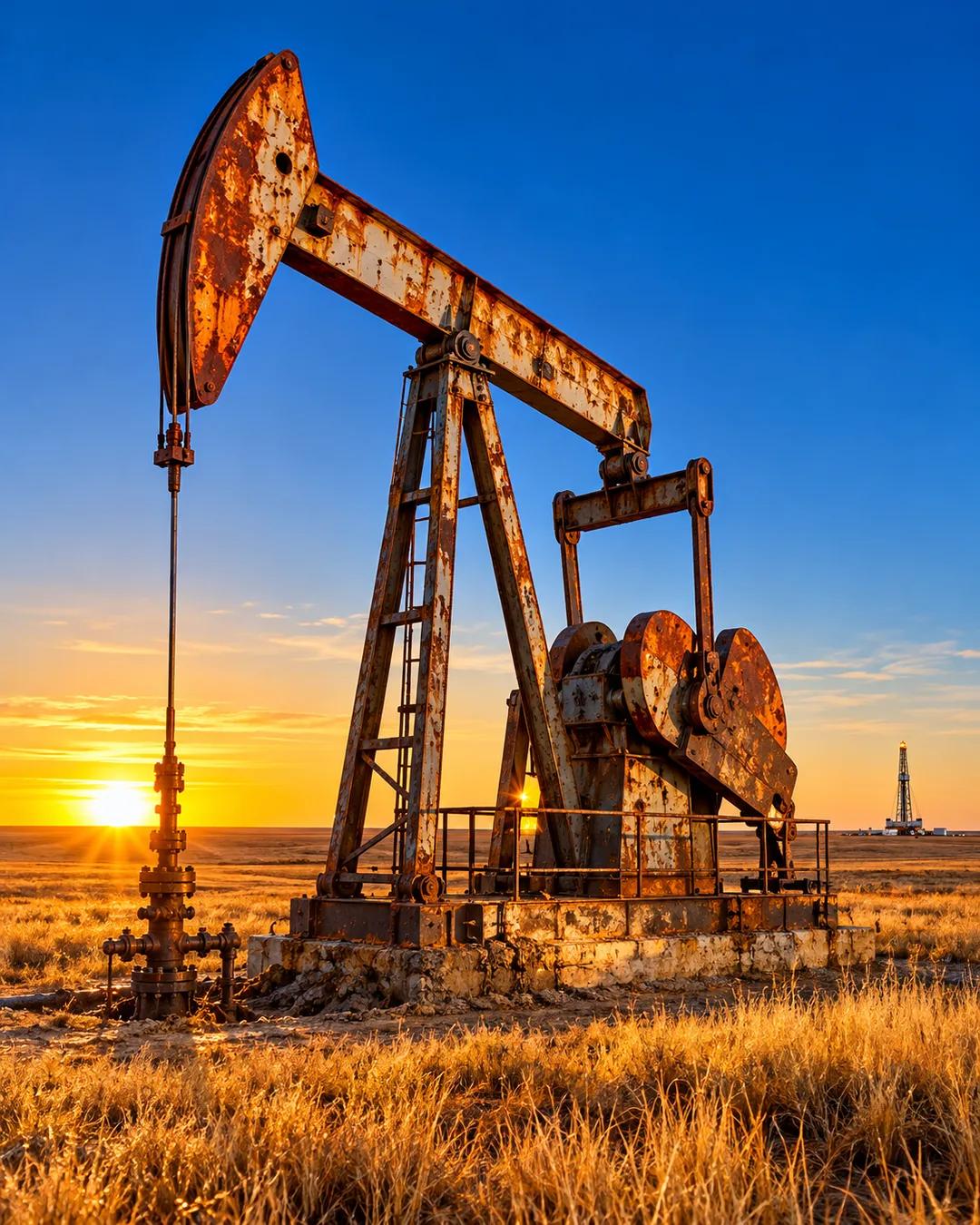
Apache bought oil wells and land between 1970 and 1977, as it was turning from a mini conglomerate back into a focused oil and gas company. The company believed it had reaped everything it could from them.
Then other people, working outside Apache, invented new drilling techniques. In 2011, almost four decades after the purchases, those techniques had the old wells yielding great results.
Nobody at Apache had invented the technology. The company held the wells and kept a long-term view, and an invention made elsewhere raised their value.
How did new techniques revive old wells?
Shale and other tight rock holds oil in pores so small that fluid barely moves through them. Horizontal drilling turns a well sideways to run for thousands of feet through the target layer, and hydraulic fracturing opens cracks that let oil flow to the well. George Mitchell's company worked on this combination in the Barnett Shale of Texas through the 1980s and 1990s. According to the US Energy Information Administration, US crude oil output rose from about 5 million barrels a day in 2008 to more than 12 million in 2019.
Why did shale take so long to unlock?
Mitchell Energy first drilled in the Barnett Shale in the early 1980s, and roughly fifteen years of trial and error passed before a lower-cost fracturing recipe called slickwater made wells economic in the late 1990s. Horizontal drilling, which had been improving in other fields, was added to the Barnett in the early 2000s. Devon Energy bought Mitchell Energy in 2002 and combined the two techniques at scale. Companies later applied the method to oil-rich formations in North Dakota and Texas.
More from Founders