Korva is a scroll of the internet’s best ideas.
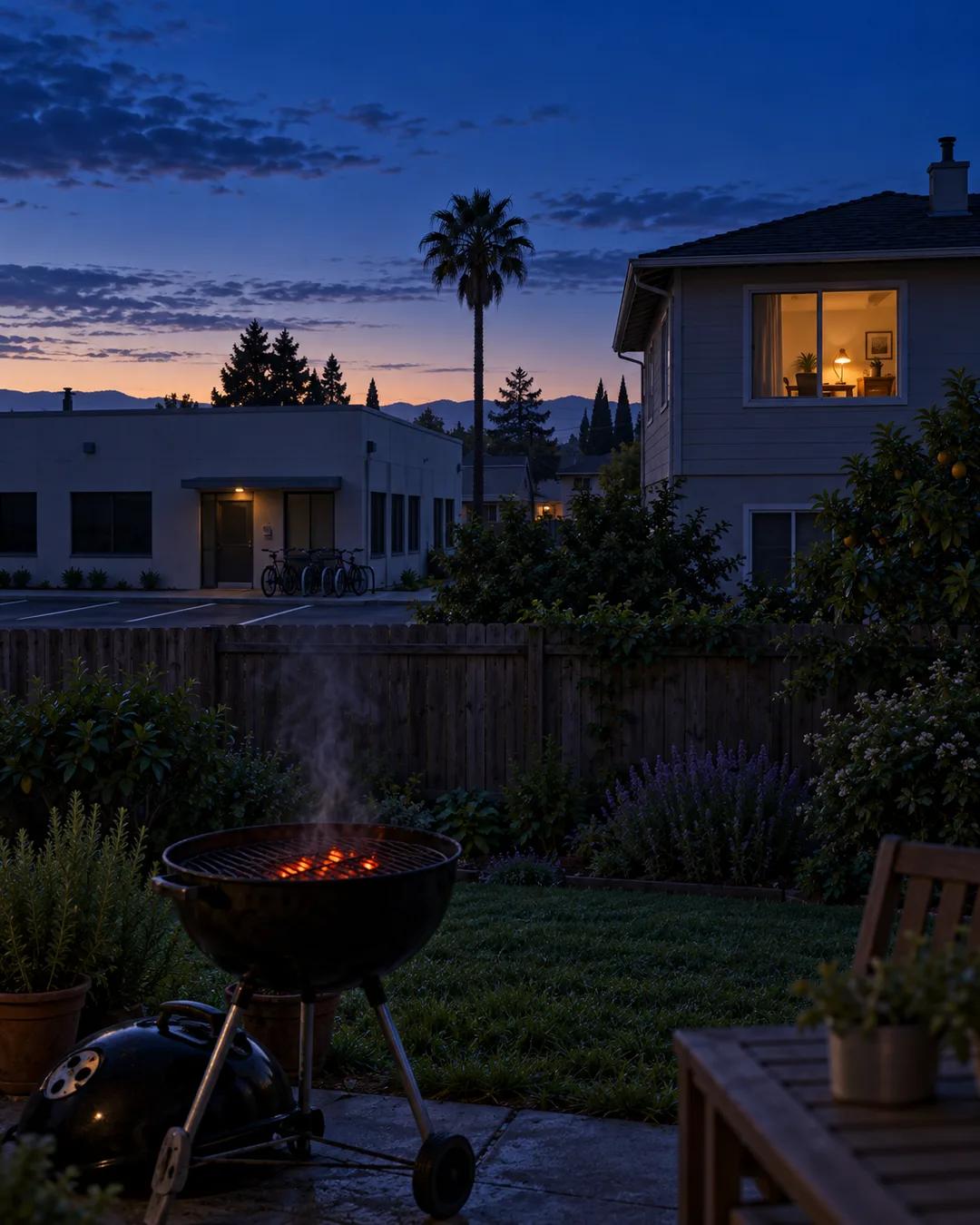

A friend in Y Combinator hosted the barbecue and invited other YC founders who lived in Palo Alto. Cristina Cordova, who worked at a startup called Pulse, ended up talking with Patrick Collison, and that was the first she heard of Stripe. Then they made the funny connection: Pulse's office sat right next to the house where he lived.
From then on, Patrick joked that her team took loud phone calls very early in the morning. To her, 9 a.m. wasn't early for a call. She hadn't realized he was up until 4 or 5 a.m., coding for Stripe.
They got coffee after the barbecue, and she met more people from Stripe. She was loyal to the company she worked for, so she took those meetings casually. About nine months later she went through the formal interviews, and she joined Stripe at 24.
How did Stripe's founders get their start?
Patrick Collison and his younger brother John, both from Ireland, founded Stripe in 2010. Before that, the two had built an auction-management tool called Auctomatic and sold it in 2008 to Live Current Media. The experience gave them a firsthand look at how painful it was to take payments online. Stripe grew directly out of that frustration.
Why do Y Combinator founders end up knowing each other?
Y Combinator funds startups in batches, so founders in the same cohort go through the program at the same time. The program runs weekly dinners where founders meet each other and hear from guest speakers. Because a batch is small and works through the same stretch of months together, friendships and introductions form quickly. Y Combinator was founded in 2005 by Paul Graham, Jessica Livingston, Robert Morris, and Trevor Blackwell, and its first batch ran in Cambridge, Massachusetts.
Why do so many startups cluster in Palo Alto?
The pattern traces back to Stanford University, which sits next to the city. Stanford's engineering dean Frederick Terman encouraged students and faculty to start companies nearby, and Hewlett-Packard began in a Palo Alto garage in 1939. In 1951 the university opened the Stanford Industrial Park, which leased land to technology firms. Decades of founders, investors, and engineers settling within a few miles of each other built the cluster that exists today.
More from next play