Korva is a scroll of the internet’s best ideas.

Subscriptions take years to pay off
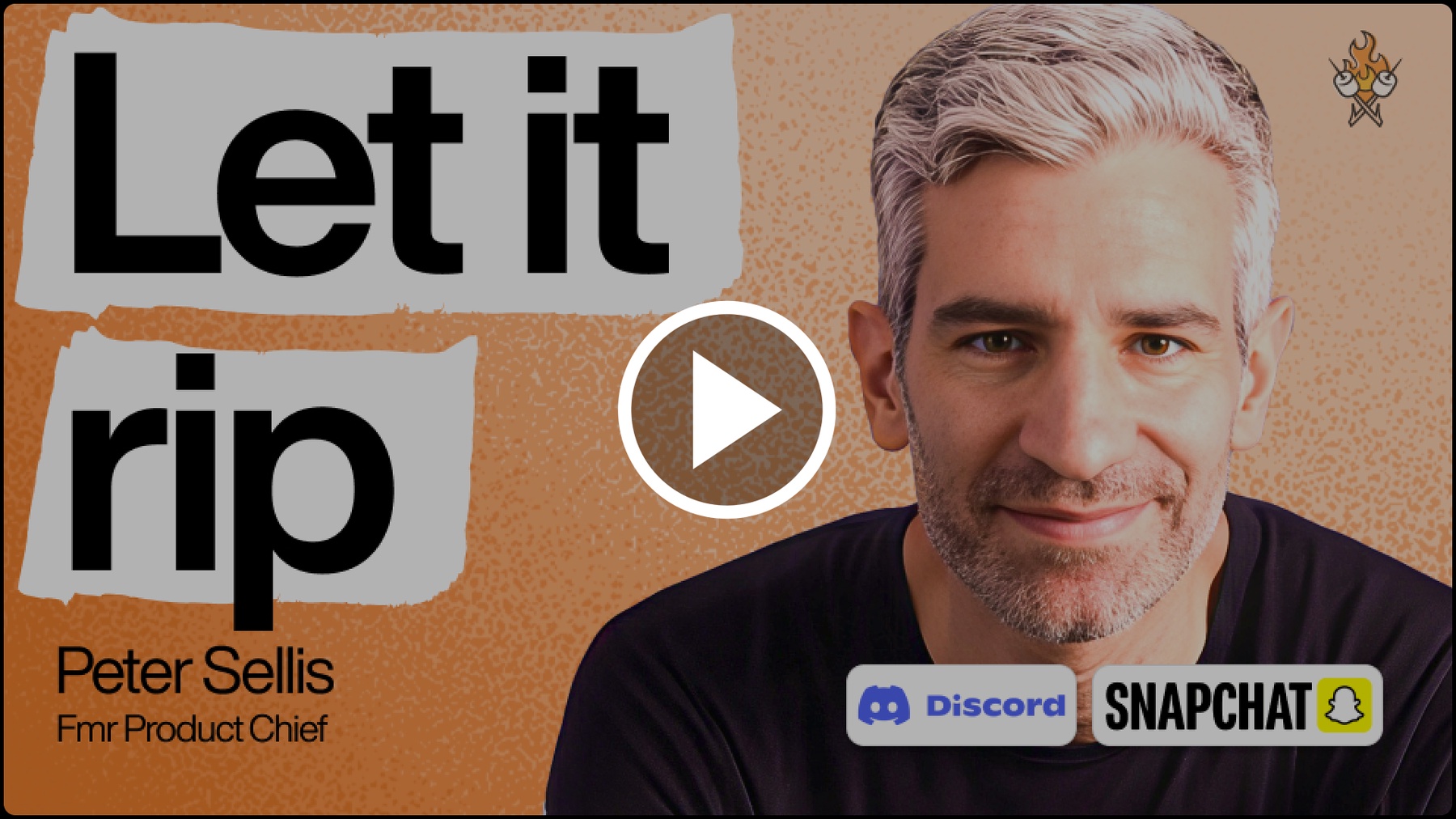
Subscription math is brutal because time is the enemy: anything done takes a long while to show up in impact. Messaging utilities such as Snapchat and Discord are much different from content products like Spotify or Netflix. People first become acclimated to using the product daily and getting a lot of value from it, and only then does the value of Snapchat Plus or Discord's Nitro show. Nobody opens Snapchat for the first time and decides they need to pay five or twenty dollars a month.
As a result, subscriber penetration grows slowly across cohorts, usually in a line. Snapchat Plus has been quite successful, and a lot of how it was executed is great. Launched four years earlier, it might have eased the pressure on the ads business to scale so fast, left more freedom on the content consumption side, and maybe let Snap compete more with TikTok.
Why does messaging value build slowly?
The value of a messaging app depends on how many of a person's friends are on it. Robert Metcalfe, co-inventor of Ethernet, put forward the idea known as Metcalfe's law, in which a network's value grows with the square of its users. The number of possible connections among n users is n times n minus 1, divided by 2. A new user with no friends on the app has almost nothing to pay for.
How did Snapchat Plus begin?
Snap launched Snapchat Plus in June 2022 as a paid tier at 3.99 dollars a month. Early perks included custom app icons, a pinned best-friend status, and the ability to see who had rewatched a Story. Snap was among the first large social apps to sell a subscription to its everyday users. It added more features over time.
How did Discord Nitro begin?
Discord introduced Nitro in 2017 as a paid tier that added animated emoji, larger file uploads, and profile customization. It sat on top of a product that stayed free for voice and text. Discord has also added server boosts, which let members pay to unlock perks for a whole community. The model sells extras to heavy users instead of charging for access.
More from Lenny's Podcast: Product | Growth | Career