Korva is a scroll of the internet’s best ideas.
Sugar built the Atlantic slave trade

Sweet salt
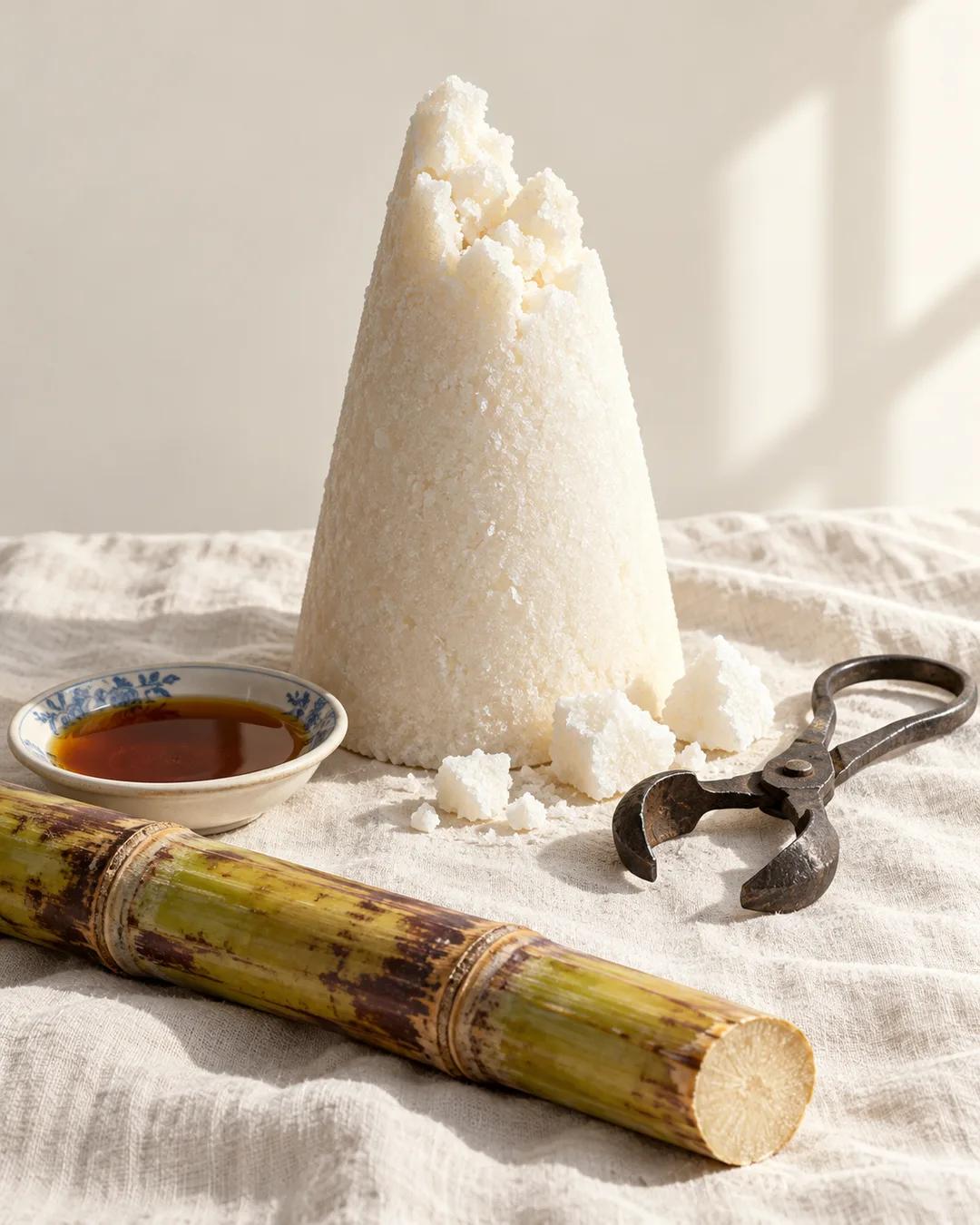
Sugar does not grow in Europe, and Europeans first met it during the Crusades, when they called it sweet salt. Until then they sweetened food with honey and berry juices. In 1494 the pope drew a line down the middle of the Atlantic, giving everything east to Portugal and everything west to Spain, and both countries now held tropical land where sugar grows.
Labor from Africa
The first Portuguese ships to reach West Africa went looking for gold. Sugar brought the slave trade later, when Portugal tapped slave systems that already existed in Africa to staff its plantations along the coast. Spain's guns, disease, and war decimated the native populations of the Americas, which left no labor force, so in 1518 King Charles contracted the Portuguese to bring 4,000 Africans to the Spanish plantations. Ships then ran a triangle: goods to Africa, captives across the Atlantic, and sugar, rum, and molasses back to Europe.
Jamaica's wealth
The British later became the dominant force and took over Caribbean islands, with Jamaica as their prize and the largest sugar plantation economy in the world. Around 1773 and 1774, the value of Jamaica's sugar exports was five times the combined value of everything exported from all 13 American colonies.
Why did the pope split the Atlantic?
After Columbus's 1492 voyage, Spain and Portugal both claimed the lands he had reached, and they asked the pope to settle it. Pope Alexander VI issued a ruling in 1493, and the two crowns refined it in the 1494 Treaty of Tordesillas. The line ran 370 leagues west of the Cape Verde islands. It left Portugal a claim to the eastern bulge of South America, which is why Brazil speaks Portuguese.
Why is sugar cane so hard on workers?
Cane starts losing sugar soon after it is cut, so it has to be crushed within about a day. Plantation mills ran around the clock at harvest, with crews cutting in the fields while others fed the rollers and tended boiling kettles. Heat from the boiling houses added to the heat of the tropical climate. Mill machinery was dangerous, and plantations kept an axe by the rollers in case a worker's arm was caught.
How did Jamaica come under British rule?
An English fleet under Admiral William Penn and General Robert Venables captured Jamaica from Spain in 1655. It was a consolation prize after the same expedition failed to take Hispaniola, part of Oliver Cromwell's Western Design. Spain formally gave up Jamaica in the Treaty of Madrid in 1670. Sugar plantations spread across the island over the following decades.
More from The Joe Rogan Experience