Korva is a scroll of the internet’s best ideas.
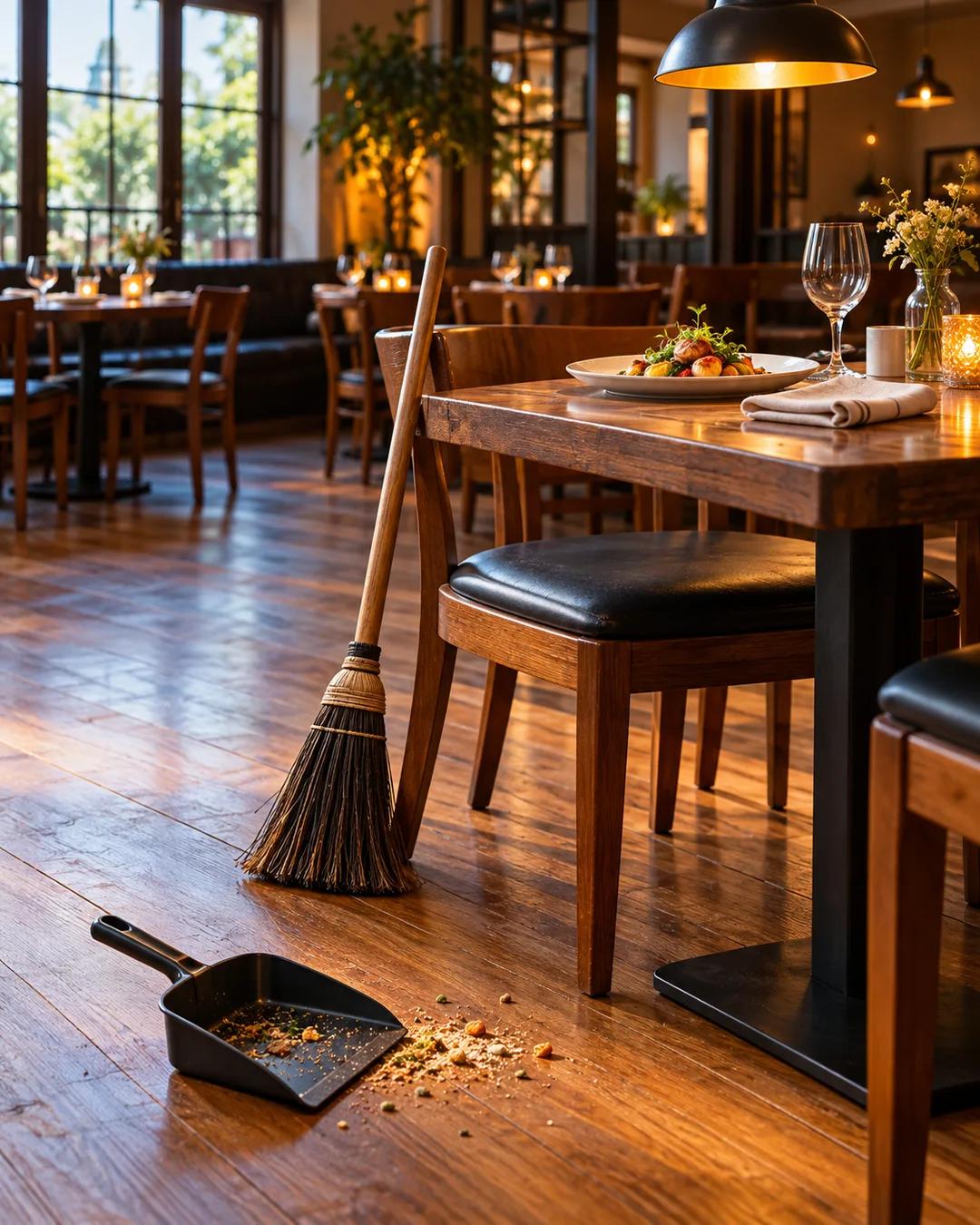
Sweeping the floor creates value
The physiocrats' mistake
The economist Ludwig von Mises, an Austrian School thinker active in Vienna in the first half of the 20th century, made the case by pointing to the French physiocrats. They believed the only true value came out of the land, so a shepherd, a quarryman, or a farmer created value. Someone who bought the shepherd's wool and charged a premium for turning it into a hat was exploiting the shepherd.
Cooking and sweeping
Von Mises put modern economists in the same position when it comes to advertising and marketing. Cooking creates the primary product, the thing diners think they are paying for. Sweeping the floor creates the context in which they can enjoy and appreciate that product.
The restaurant test
Take a restaurant that serves Michelin-starred food, but the room smells of sewage and there is human feces on the floor. Cleaning the floor and getting rid of the smell does more for that restaurant than improving the food still further.
Why did the physiocrats think only land created value?
The physiocrats were a French school of the 1750s and 1760s led by François Quesnay, a physician at the court of Louis XV. Quesnay's 1758 Tableau économique pictured the economy as a flow of money between farmers, landowners, and artisans. He held that agriculture alone produced a surplus beyond its costs, while manufacturers only reshaped what the land supplied. The Tableau is regarded as one of the earliest attempts to model a whole economy.
How did later economists define value?
In the 1870s, William Stanley Jevons, Carl Menger, and Léon Walras each developed marginal utility theory on their own. They held that value comes from how much people want something, not from the land or labor behind it. Menger founded the Austrian School, the tradition Mises later belonged to. Their three books appeared between 1871 and 1874.
How does the setting change how food tastes?
In a 2001 experiment by Frédéric Brochet and colleagues at the University of Bordeaux, wine tasters described a white wine dyed red using the vocabulary of red wine. Their senses were reading the surroundings and the color as part of the flavor. The study was published in the journal Brain and Language.
More from TED