Korva is a scroll of the internet’s best ideas.

Talent shows up as early wins
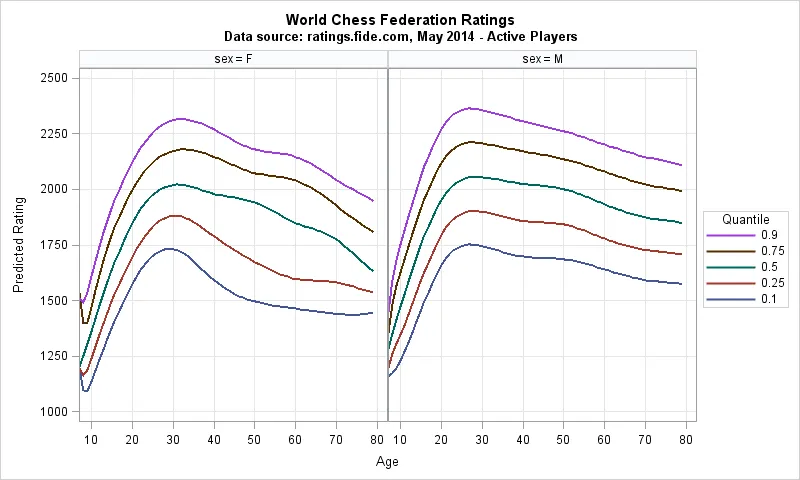
Life isn't a sandbox, and nobody chooses what they're good at. More effort doesn't equal better outcomes. Believing otherwise leads to the next logical step of magically waving hands to change behavior, personality, and material conditions.
Behavior doesn't change by changing behavior. A lever is required.
Why does effort alone fall short of mastery?
In 2014 Brooke Macnamara, David Hambrick, and Frederick Oswald published a meta-analysis in Psychological Science of studies on deliberate practice. It accounted for about 26 percent of the differences in performance in games like chess, 21 percent in music, 18 percent in sports, 4 percent in education, and under 1 percent in professions. The share was largest in the most predictable activities and smallest in the least predictable ones.
Why do early wins snowball into later success?
The sociologist Robert Merton named the Matthew effect in a 1968 paper on science: recognition flows to those who already have it, which brings more resources and more chances. A similar pattern shows up in youth hockey. In 1985 Roger Barnsley and colleagues reported that elite junior players were disproportionately born in the first months of the year, making them slightly older than their peers at selection time. Those players got picked for better teams and coaching, and the early edge compounded.
More from Hyde