Korva is a scroll of the internet’s best ideas.
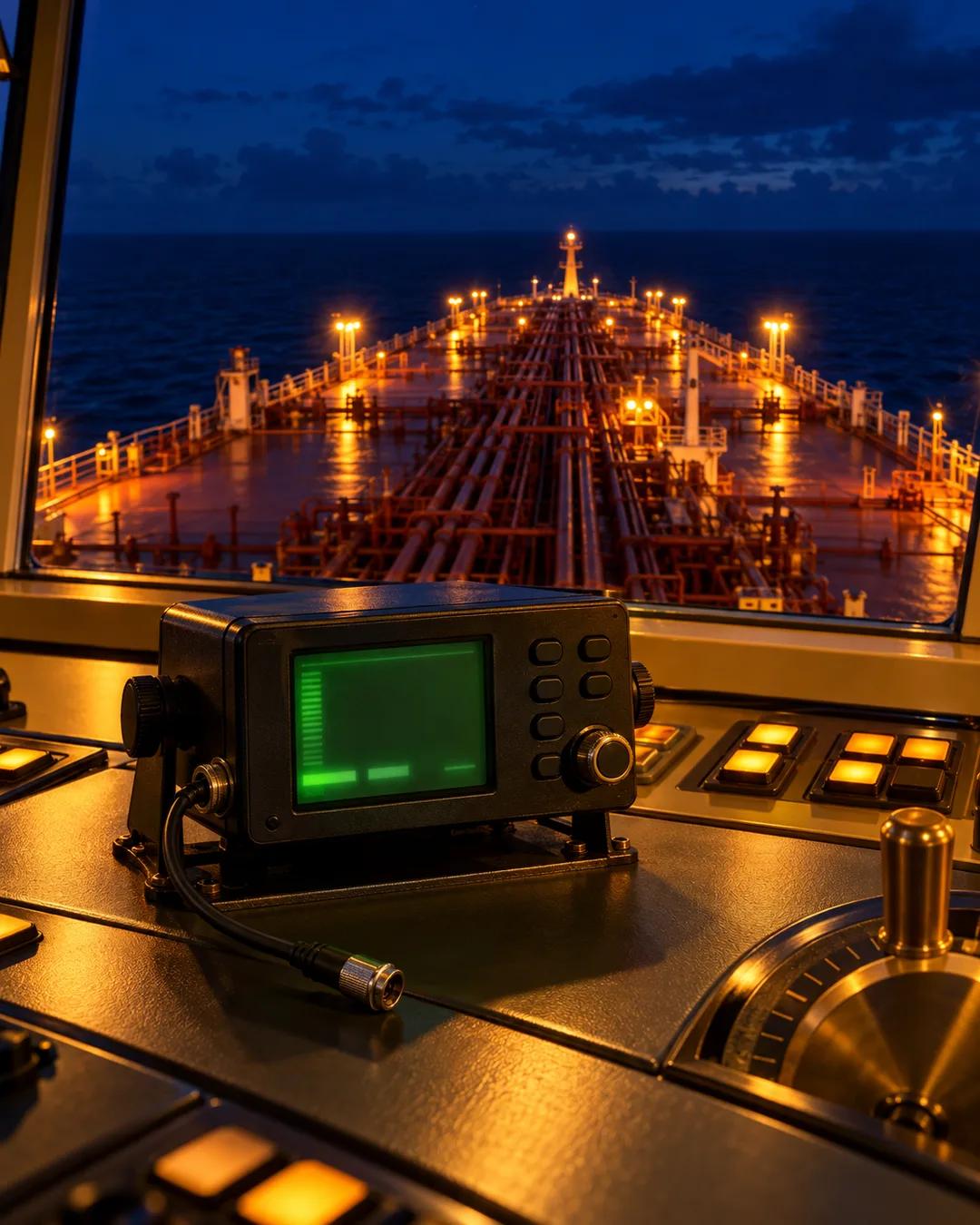
Tankers faked their locations

Selling under sanctions
Sanctions had made it nearly impossible for Venezuela to sell its oil on legitimate international markets. Its largest remaining trade partner was China, which bought heavily discounted Venezuelan crude through what is politely called the gray market.
A shadow fleet of tankers with opaque ownership would load up the crude and spoof their AIS location signals so they appeared to be departing from other countries. The oil was then transshipped through hubs in places like Malaysia, where it was rebranded and blended in with other crude to hide its true origin. It arrived at small, poorly regulated refineries in China's Shandong province.
China's share
By late 2025, China was taking roughly 80% of Venezuela's total oil exports, about 746,000 barrels per day. The prices were deep discounts, sometimes $20 or more per barrel below international benchmarks.
After Maduro's capture
On January 3rd, US special forces captured Nicolas Maduro in Caracas, and the US plan included cutting China off from this supply. Beijing couldn't officially be too angry, because technically it had never officially bought the oil in the first place. China responded with general statements about the USA being out of line and engaging in hegemonic behavior. Venezuelan crude was only about 2% of China's total oil imports, though it was still a hit to a highly energy-dependent country.
How does AIS spoofing fool trackers?
AIS transponders broadcast a ship's identity, position, course, and speed, and international maritime rules require them on large vessels. The signal is generated by equipment on board, so a crew can switch it off or feed it false position data. Analysts catch spoofing by comparing reported positions against satellite imagery and by looking for physically impossible jumps. Radar satellites can image a ship at sea regardless of whether its transponder is on.
Why do tankers swap oil at sea near Malaysia?
Oil moved from one tanker to another at sea can be reissued under paperwork that names a different origin, which breaks the trail back to the source. The waters off Malaysia sit along the Strait of Malacca, one of the busiest shipping lanes in the world and a route for a large share of seaborne oil. Ship-to-ship transfers there are also routine for ordinary cargoes, so a single transfer draws little attention on its own.
Why do Shandong refineries buy sanctioned crude?
Shandong province holds the largest cluster of China's independent refiners, often nicknamed teapots. Unlike the big state-owned companies such as Sinopec and PetroChina, they have little exposure to the US financial system, so sanctions risk weighs less on them. Their margins depend heavily on cheap feedstock, which makes deep discounts attractive. China began granting crude import quotas to independent refiners in 2015.
More from Economics Explained