Korva is a scroll of the internet’s best ideas.
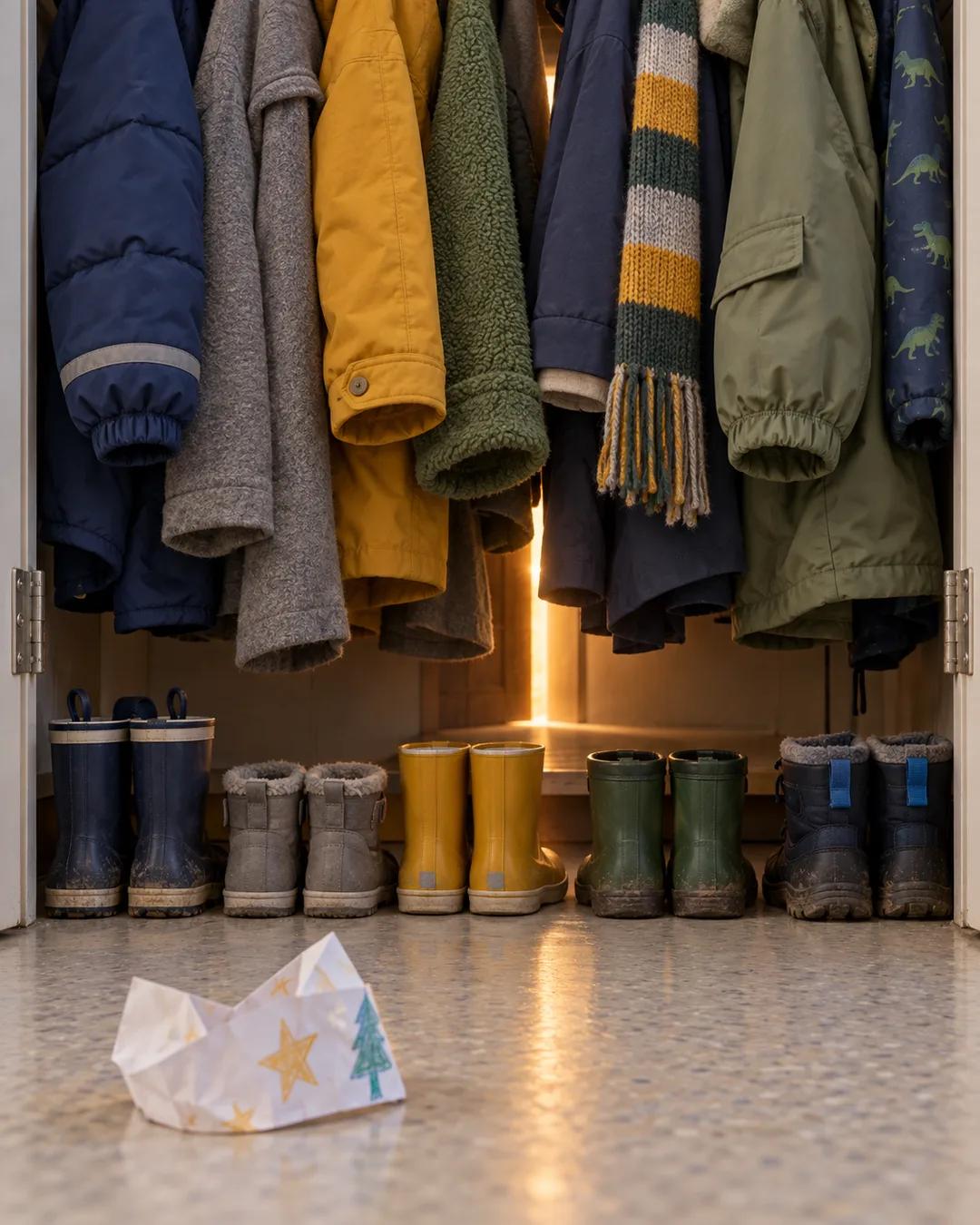
Teachers play inside the story

Twenty Different Children
Picture twenty seven-year-olds in one classroom. One loves school and concentrates through noise. One needs physical comfort and climbs into the teacher's lap when it is free. One has to fidget to concentrate. One learned early that adults and their promises cannot be trusted and keeps her distance. A single activity for all of them leaves one or two children out.
How Play Worlds Work
Play Worlds start from a different place. The Swedish scholar Gunilla Lindqvist developed them, and research teams now study them worldwide. Each is built around a piece of literature or art, such as the Moomin trolls or Alice in Wonderland. Adults and children recreate the world of the story in the classroom, then play, interact, and go on adventures together, with both adults and children in roles.
Children Lead
Because the children lead, a role can grow around each child, and behavior that would be called disruptive elsewhere can become part of the story.
Why do Play Worlds start from literature and art?
Gunilla Lindqvist built her approach on the work of Lev Vygotsky, and her 1995 doctoral study at Uppsala University was titled The Aesthetics of Play. Vygotsky argued in his 1930 essay Imagination and Creativity in Childhood that imagination is assembled from what a child has seen, heard, and experienced. A rich story gives the whole class the same raw material to build on, so their play has a shared source.
Tove Jansson, the Finnish author who created the Moomin trolls, wrote the first Moomin book in 1945.
Why would a child seek out an adult's lap?
The psychiatrist John Bowlby proposed in the mid-twentieth century that children use a trusted adult as a secure base from which to explore. Mary Ainsworth tested the idea in her Strange Situation procedure, developed in the 1970s, in which toddlers were observed as a caregiver left the room and returned. Securely attached children explored more freely when the caregiver was nearby and sought contact on reunion.
Ainsworth's early observations of mothers and infants took place in Uganda and Baltimore.