Korva is a scroll of the internet’s best ideas.
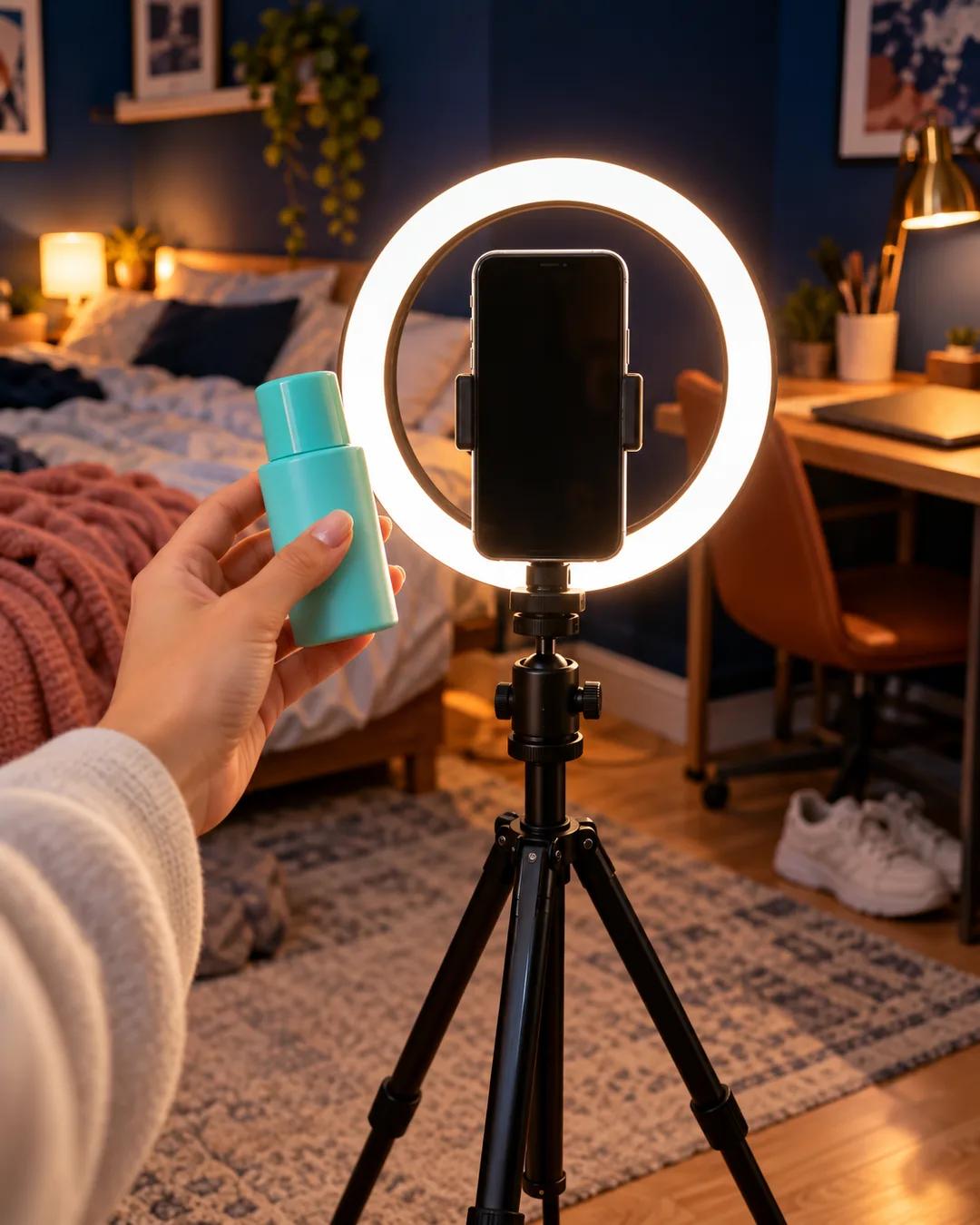
Teenagers earning $30K making ads

The creator program
Victor's creator program works because the creators use the product, so recruiting takes some storytelling. Once they join, they make three to four videos a week, and a couple hundred creators take part. Five agencies and an in-house creative team add to the volume. Ecommerce has run this way for over a decade, with UGC and creator programs producing hundreds of thousands of variations.
Picking agencies
UGC ads never appear on the creator's own page, so a creator can make ads for every brand, competitors included. There are hundreds of thousands of UGC agencies now and most are poor, so the reliable way to pick one is to ask peers who they use. Experience matters little. A great ad that keeps getting spend means the creator doesn't need to make another for a while.
How spend concentrates
The algorithm finds the best ad and pumps spend into it, so roughly 80% of ad revenue comes from 20% of the creative. Partnership ads, posted in collaboration with a creator and backed with spend, work well too.
Why do ad revenues follow an 80/20 pattern?
The 80/20 split is named for the Pareto principle. Vilfredo Pareto noted in the 1890s that about 80 percent of Italy's land was owned by about 20 percent of its people. Joseph Juran later popularized the pattern in quality management. Advertising fits it because the platform's auction rewards ads that earn better results with more delivery, which concentrates spend further.
How do partnership ads reach beyond followers?
In a partnership ad, a creator gives a brand permission to run their post as an ad. The ad appears under the creator's handle, which gives it the look of an organic post. The brand pays for delivery, so it can be shown to people who do not follow the creator. Instagram called the format branded content ads before renaming it partnership ads.
More from The Twenty Minute VC (20VC): Venture Capital | Startup Funding | The Pitch