Korva is a scroll of the internet’s best ideas.

Whole versus processed
Quality food is the opposite of ultra-processed food. It is whole food made from original ingredients and carrying the nutrients its plants produce, without being stripped away, boiled up, or pressurized so that nutrients have to be added back. Food that isn't in a package is pretty sure to be good.
Reading packaging
Packaging gives the rest away. Happy children and signals of vitamins on the box are a warning, because the more a food has to advertise itself and its additives, the more reason to be wary. Low calorie on a label means lots of artificial sweeteners or protein extracts were added, and low in fat means the natural fat was replaced with something cheaper.
A spectrum
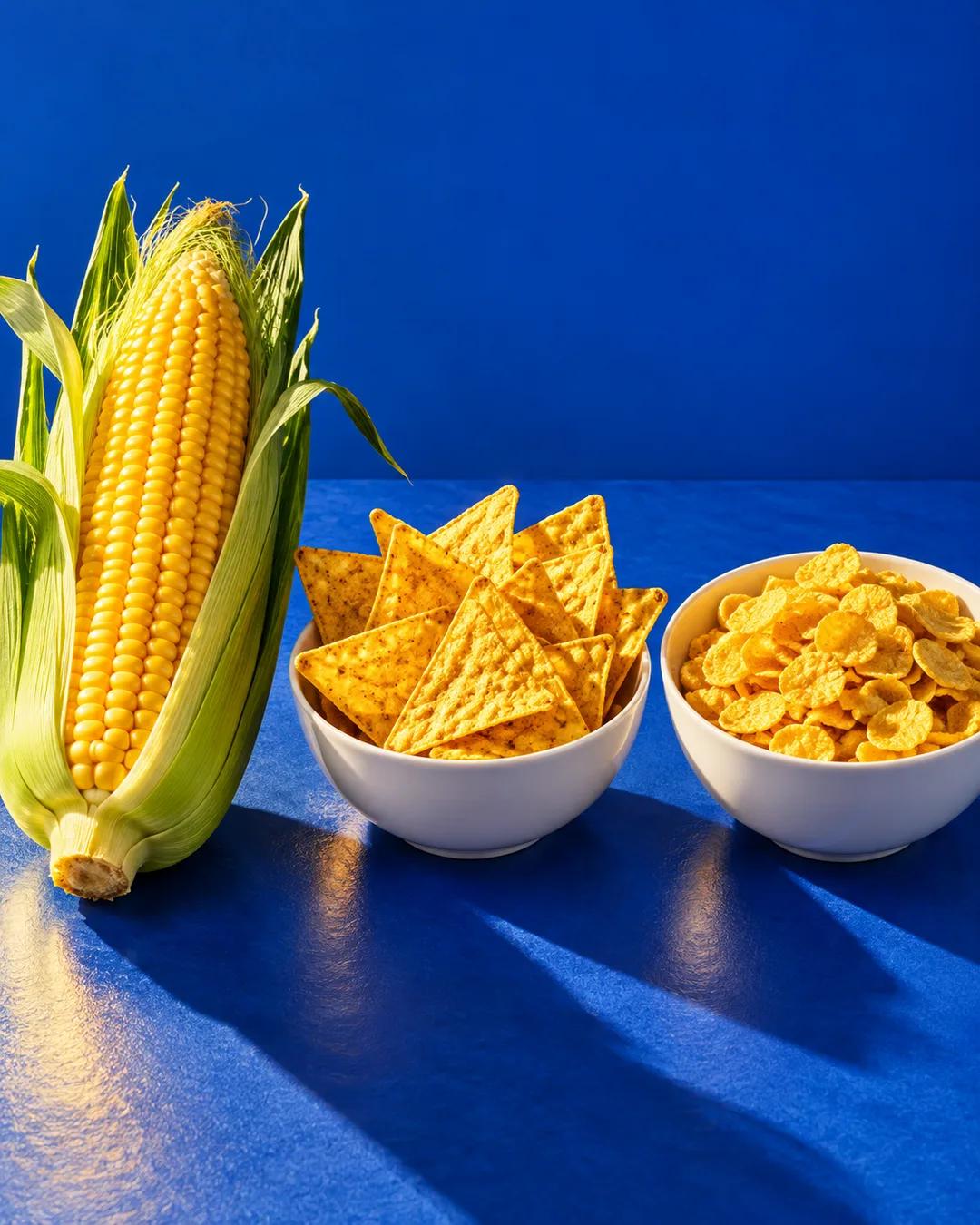
Corn on the cob is a whole food. At the far end of the spectrum sit tortilla chips and cornflakes, which bear no resemblance to the original, and everything lies somewhere along the way. Extra virgin olive oil has very little done to it and is a good quality food, but it can be refined again and again.
How are foods ranked by processing level?
Carlos Monteiro and colleagues at the University of Sao Paulo created the NOVA classification, published around 2009 and 2010. It has four groups: unprocessed or minimally processed foods, culinary ingredients such as oils and sugar, processed foods, and ultra-processed foods. The last group is defined by industrial formulations that include ingredients not used in home kitchens, such as hydrogenated oils, flavorings, and emulsifiers.
Why do packaged foods contain emulsifiers?
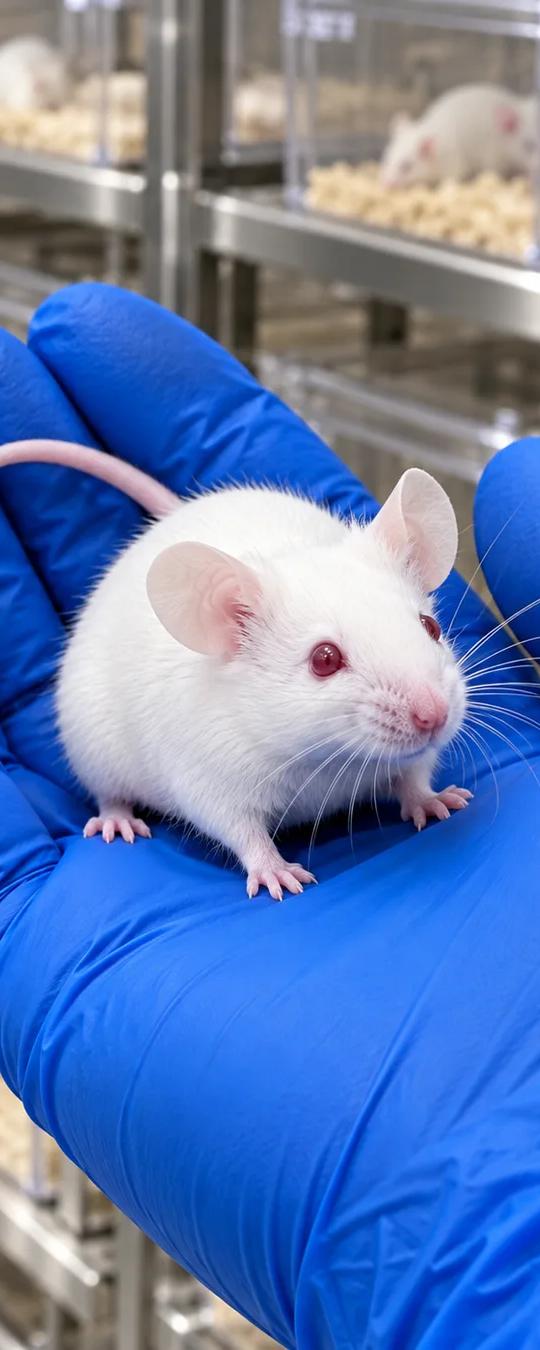
Emulsifiers keep oil and water mixed, give foods a creamy texture, and extend shelf life. In a 2015 paper in Nature, Benoit Chassaing, Andrew Gewirtz, and colleagues at Georgia State University fed mice the emulsifiers polysorbate 80 and carboxymethylcellulose. The mice developed changes in their gut microbes, low-grade inflammation, and weight gain.
How is olive oil refined?
Extra virgin olive oil is pressed mechanically from olives without heat or chemical solvents, and the International Olive Council requires free acidity of no more than 0.8 percent. Refined olive oil is treated with heat, filtering, and sometimes chemicals to strip out flavor and defects. It is commonly blended with some virgin oil to bring back taste.
Why do low-fat foods add other ingredients?
Fat carries flavor compounds and gives food its mouthfeel. When it is removed, manufacturers commonly add gums and modified starches to stand in for the thickness fat provides. Sugar is often added to cover the flatter taste.
More from The Diary Of A CEO with Steven Bartlett